
On a luxurious special train through North India
Namaste in North India! That means ‘hello’. On this rail journey, you’ll be greeted with friendliness wherever you go. Whether at the Taj Mahal or in Varanasi – on the ‘Deccan Odyssey’, you’ll travel to the jewels of North India.
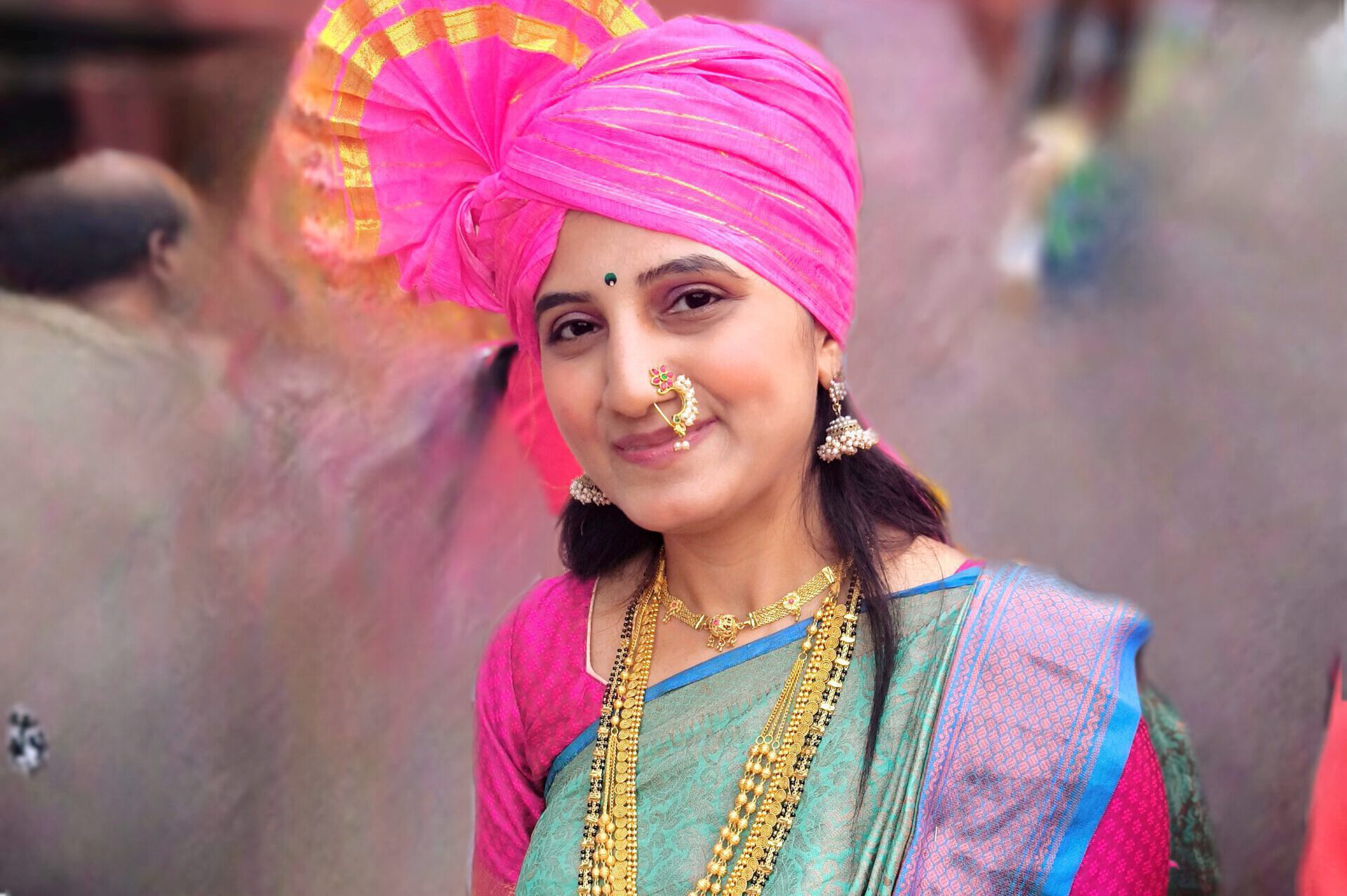
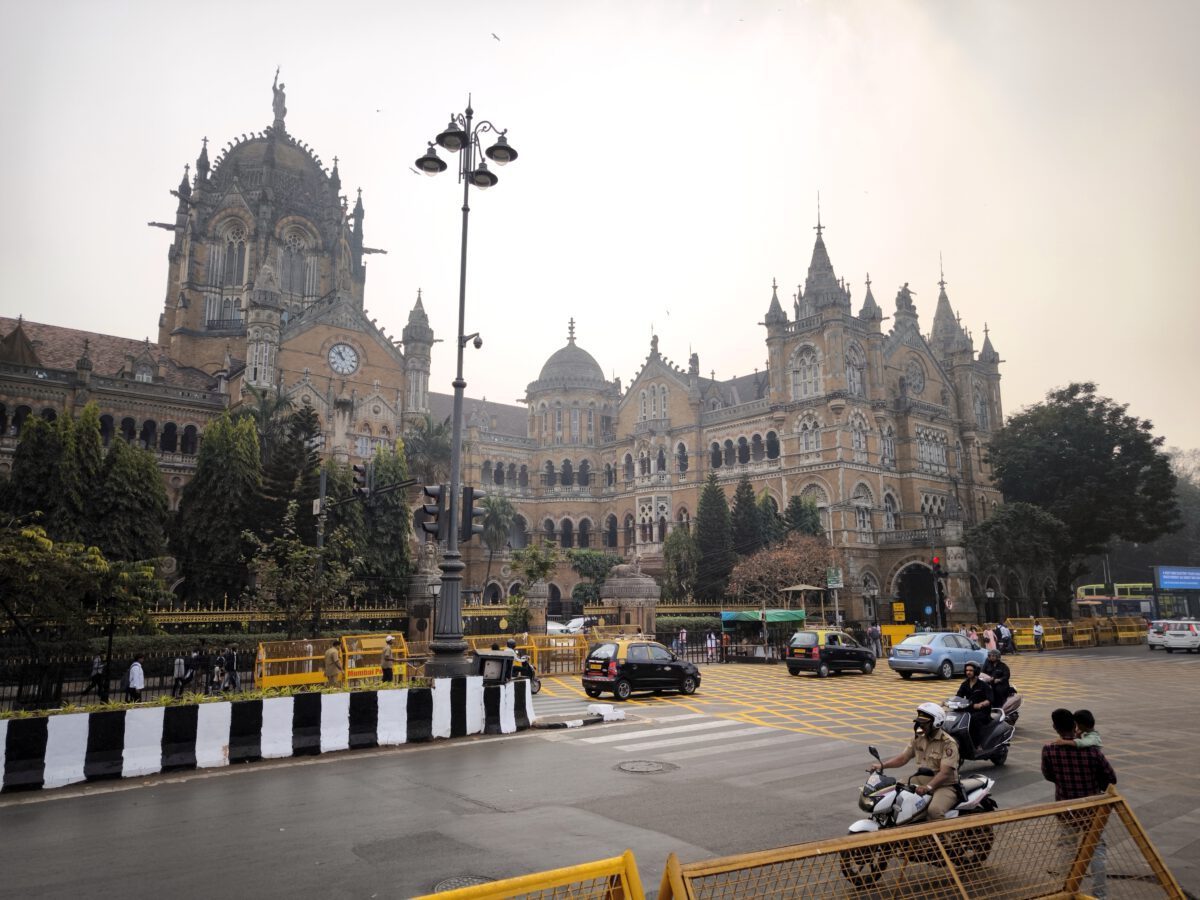
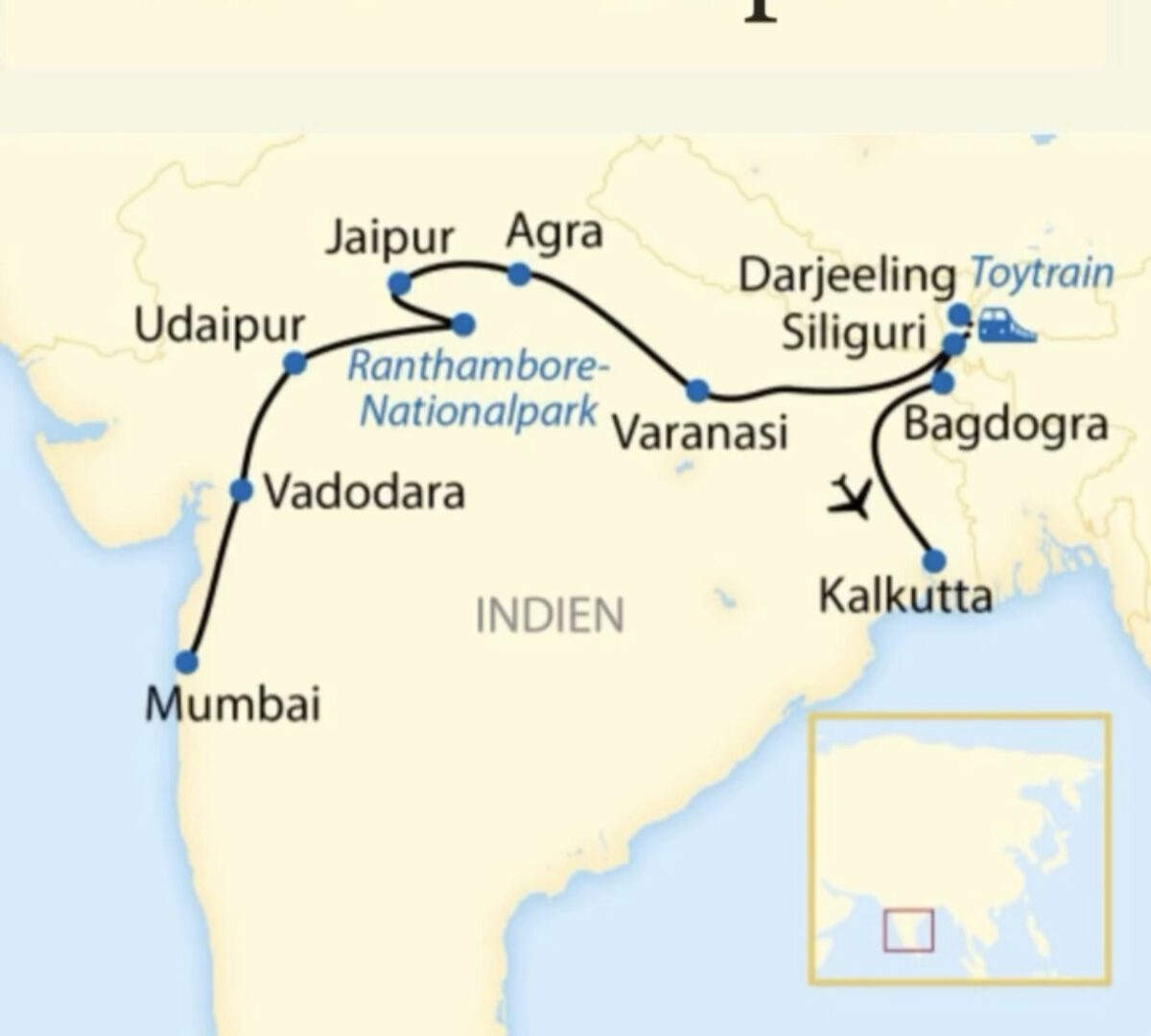
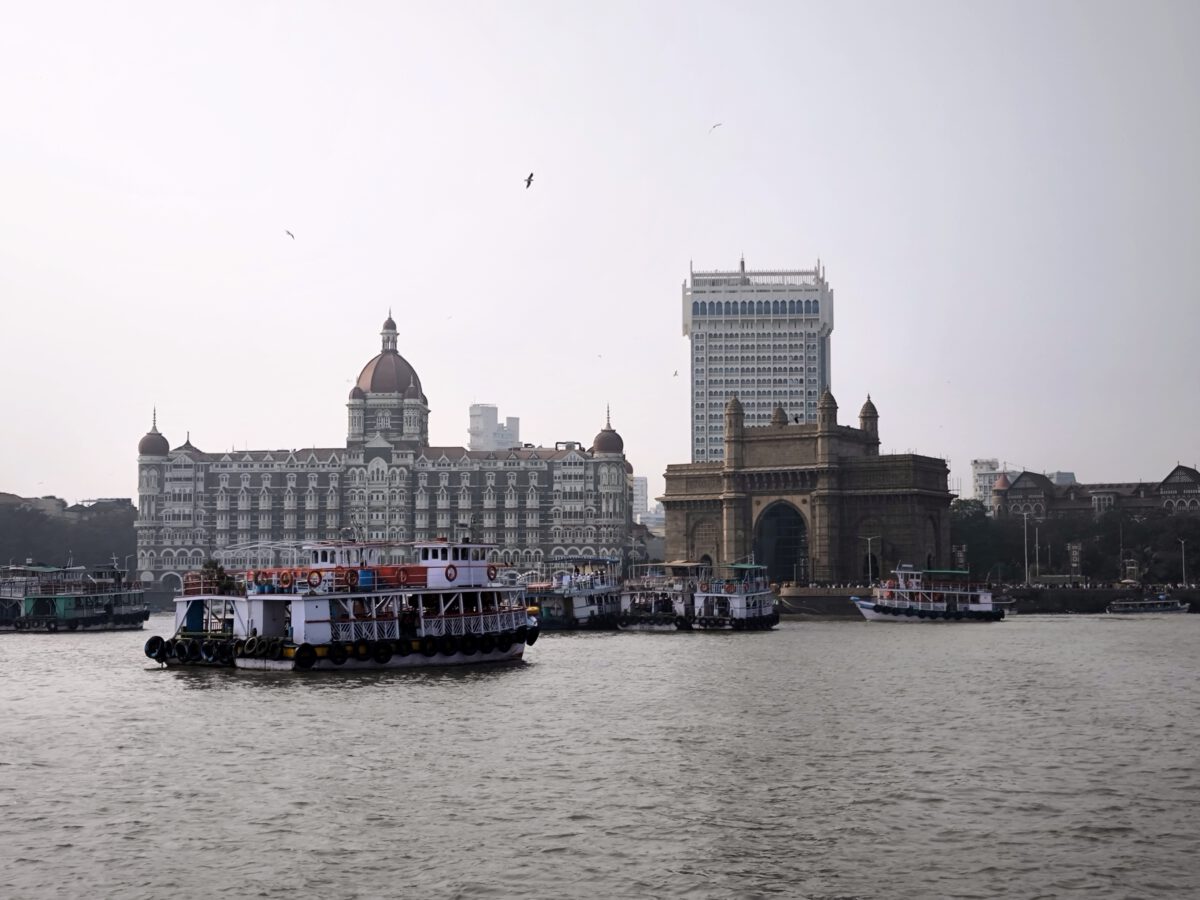
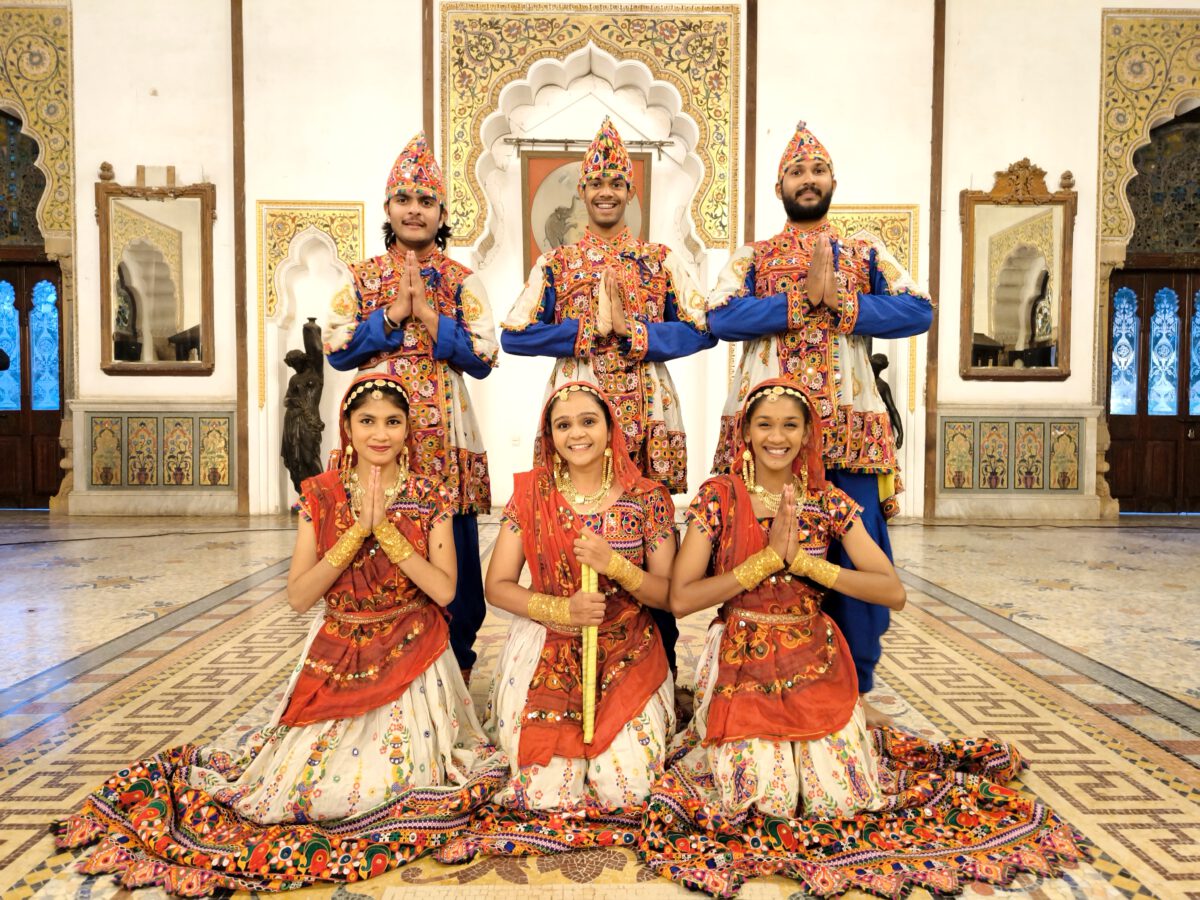
A grand spectacle at Chhatrapati Shivaji Maharaj Terminus: drum music echoes through the air, dancers in turbans whirl across the platform, placing marigold garlands around every neck and marking a red dot on every forehead. This Hindu symbol – known as a bindi – marks the ‘third eye’ for enlightenment and protection. At Mumbai’s famous railway station – built in the Victorian Neo-Gothic style during the British colonial era up until 1888 and one of the largest stations in the world – the special train “Deccan Odyssey” awaits its guests. Arriving could hardly be more exciting.
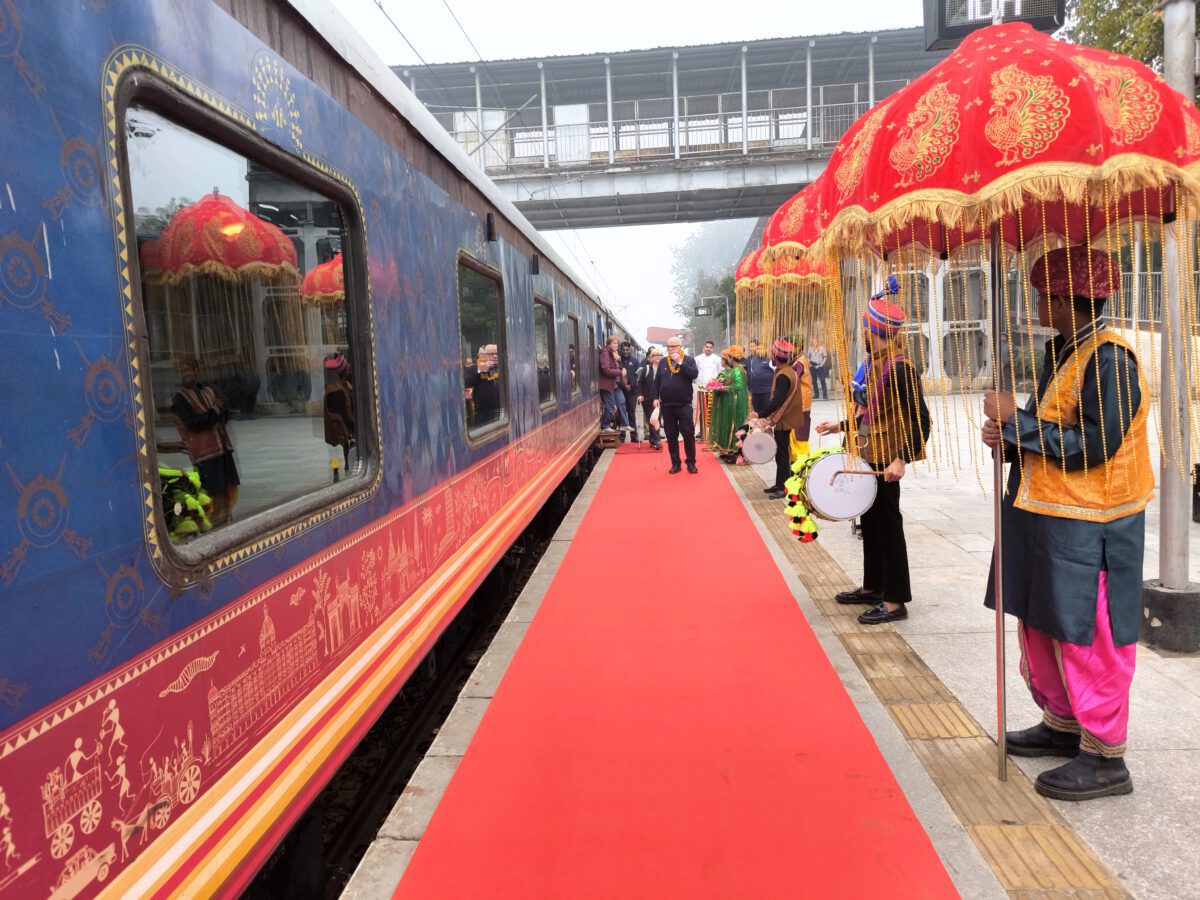
We board the blue train, which will be our home for the next seven nights: each of the 21 carriages exudes the atmosphere of a grand hotel. Outside the stylish sleeping compartments, the butlers are waiting to assist us on arrival: Is the room temperature right? Would you like a cup of tea? Men trained in the luxury hotel industry, such as 42-year-old Kunal Kesarkar, are on hand almost round the clock throughout the journey to provide cabin service.
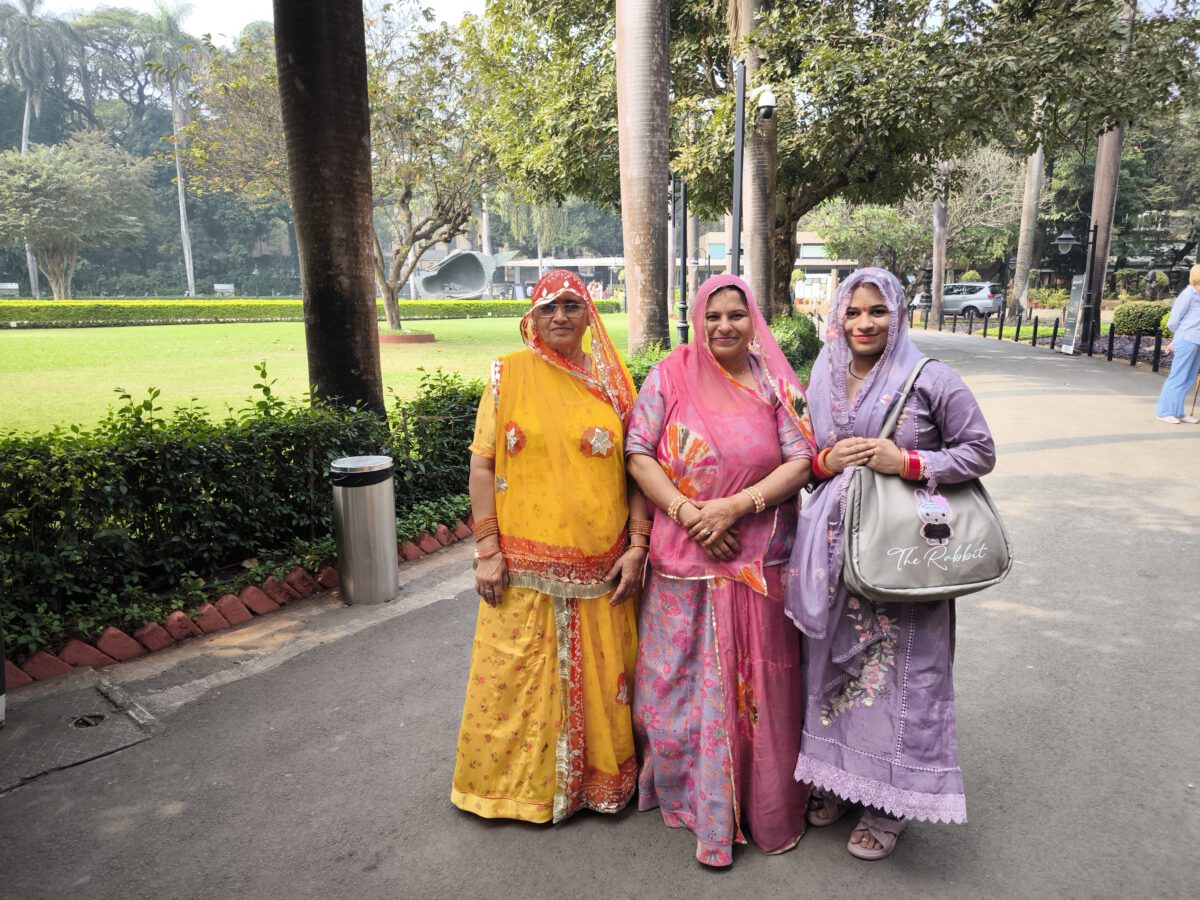
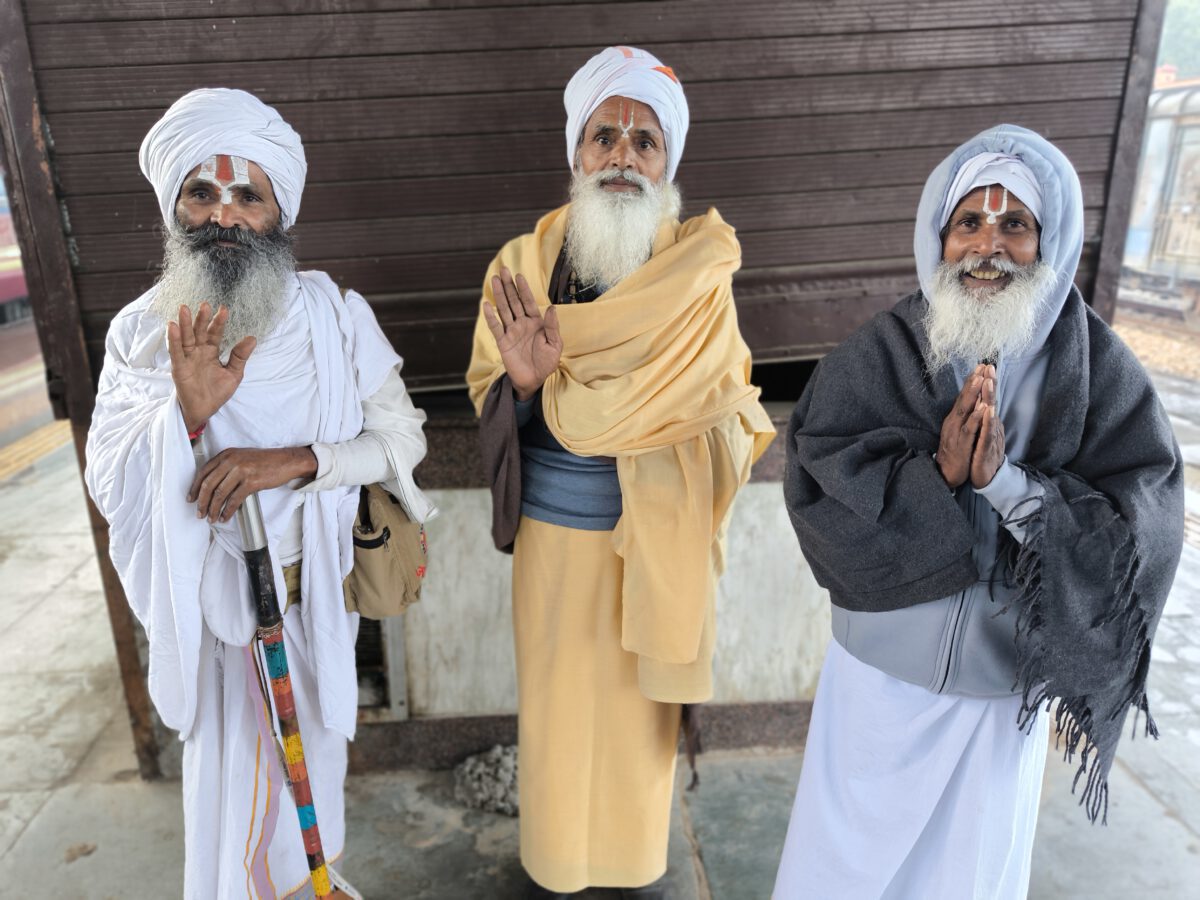
Then we set off: whilst dinner is being served in the dining car, life in the suburbs of Mumbai glides past us outside. Women in colourful saris, children among corrugated iron huts, sadhus with long beards (monks) sitting cross-legged by the tracks, and sacred cows rummaging through rubbish heaps for food: it is an exotically colourful scene that passes by the train window. India – about nine times the size of Germany and, with around 1.45 billion inhabitants, the world’s most populous country – is a land of contrasts. Rich and poor live side by side. Although the poverty rate has fallen from 55 per cent to around 15 per cent today over the last 20 years, the situation is considered serious for millions of Indians according to the Global Hunger Index. So the view from the train window also reveals beggars, slums and a simple way of life. It is a journey that lingers in the soul for a long time.
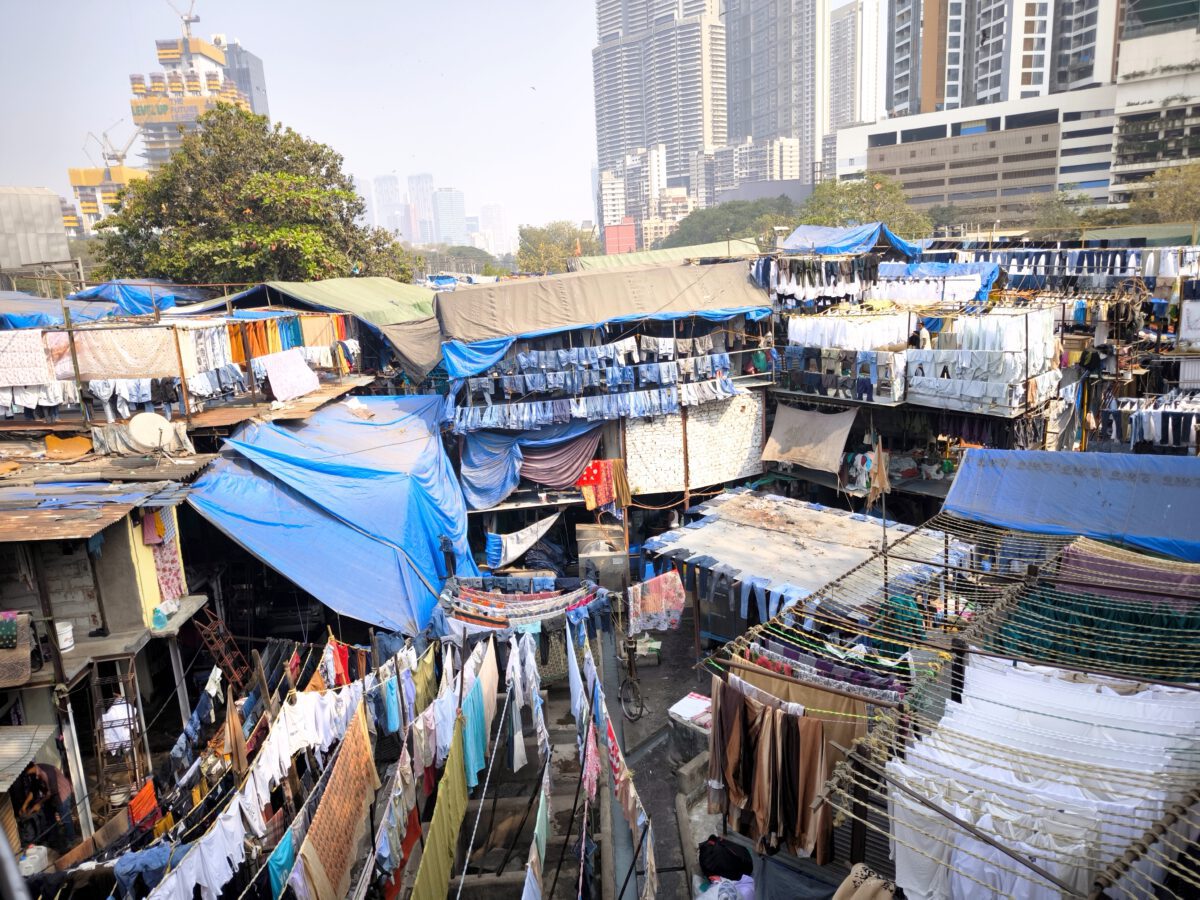
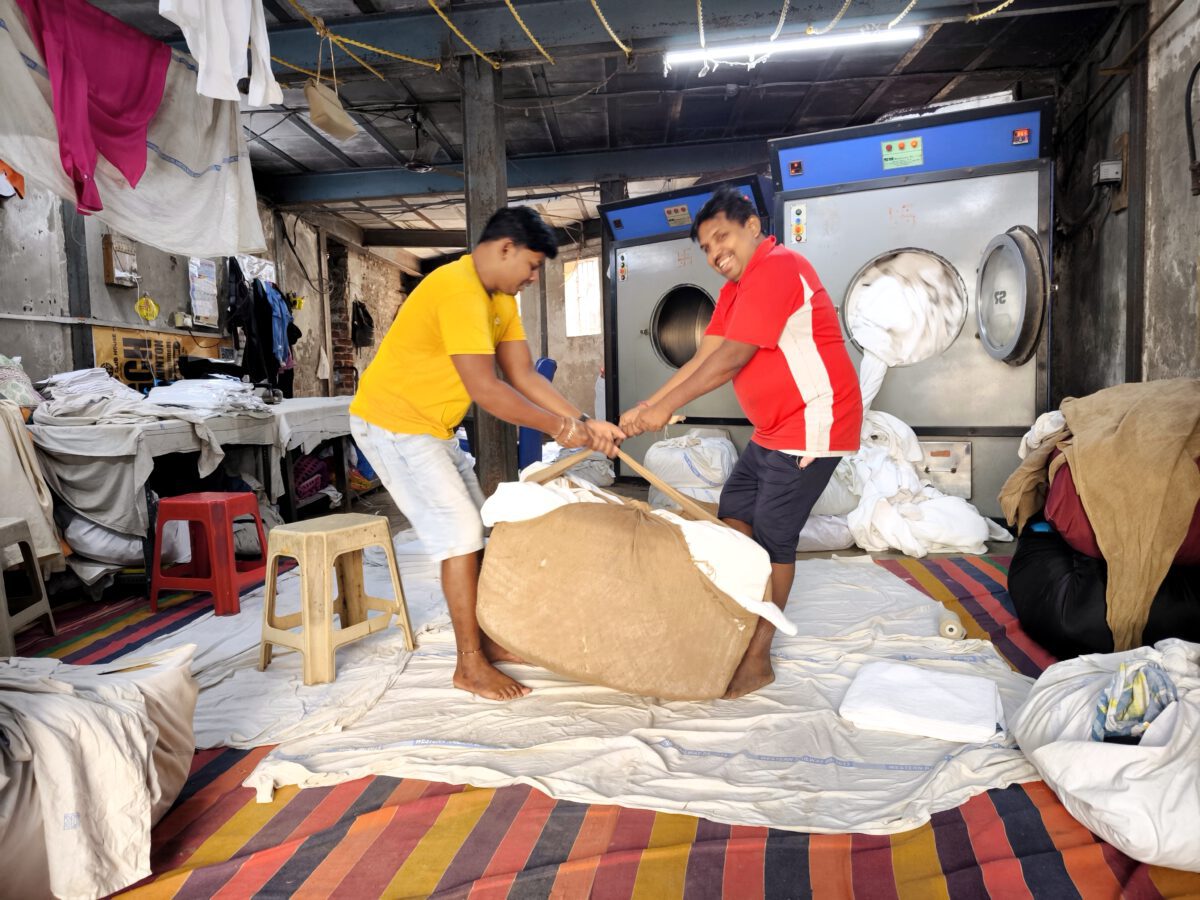
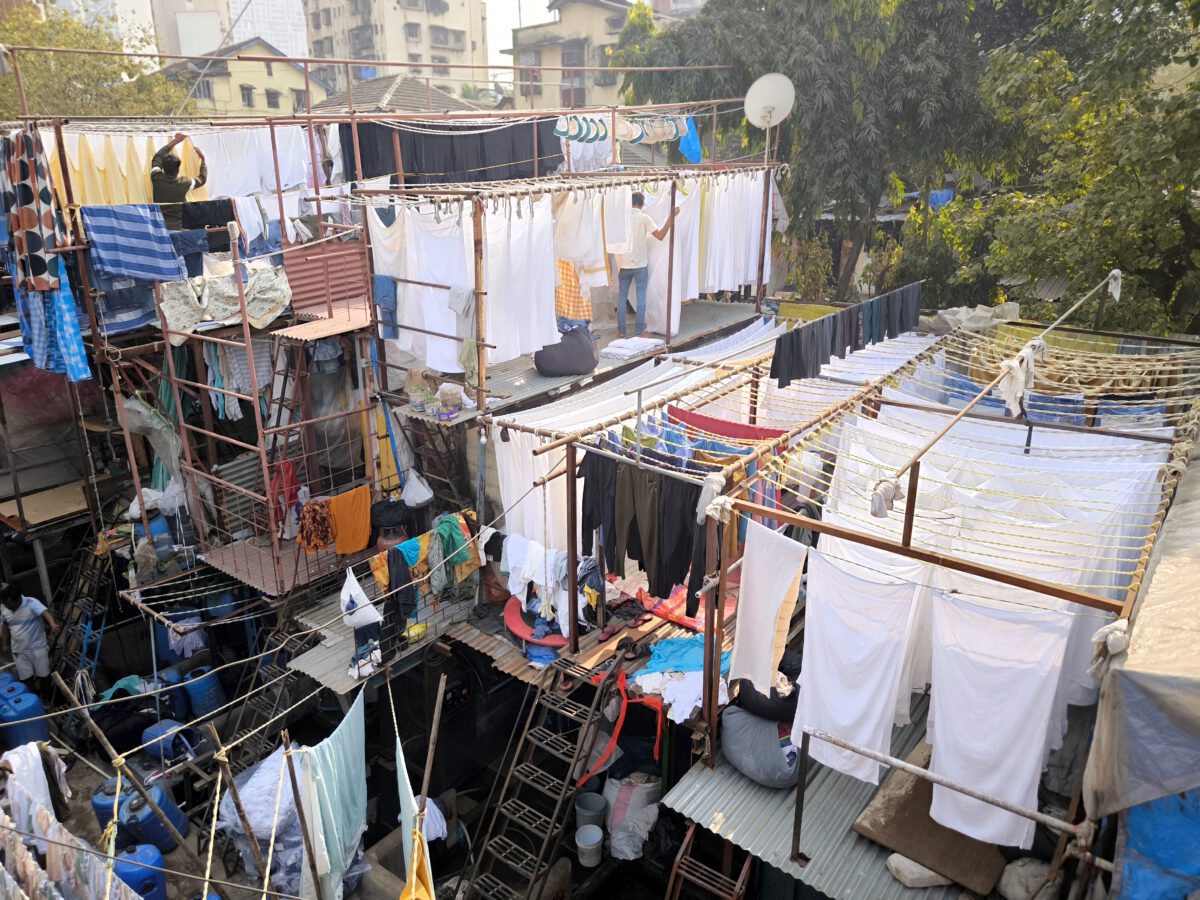
We arrived in Mumbai two days earlier, and one of the groups of people who work hard for a living are the 3,000 families living in the Dhobi Ghat district. Shirts, trousers and towels hang in the open-air laundry on the rooftops. One floor below, men work at around 1,000 stone troughs: 100,000 items of laundry are washed, dried and ironed here every day in the heart of this metropolis of millions. Their clients include hotels, hospitals, the Indian Railways and private households.
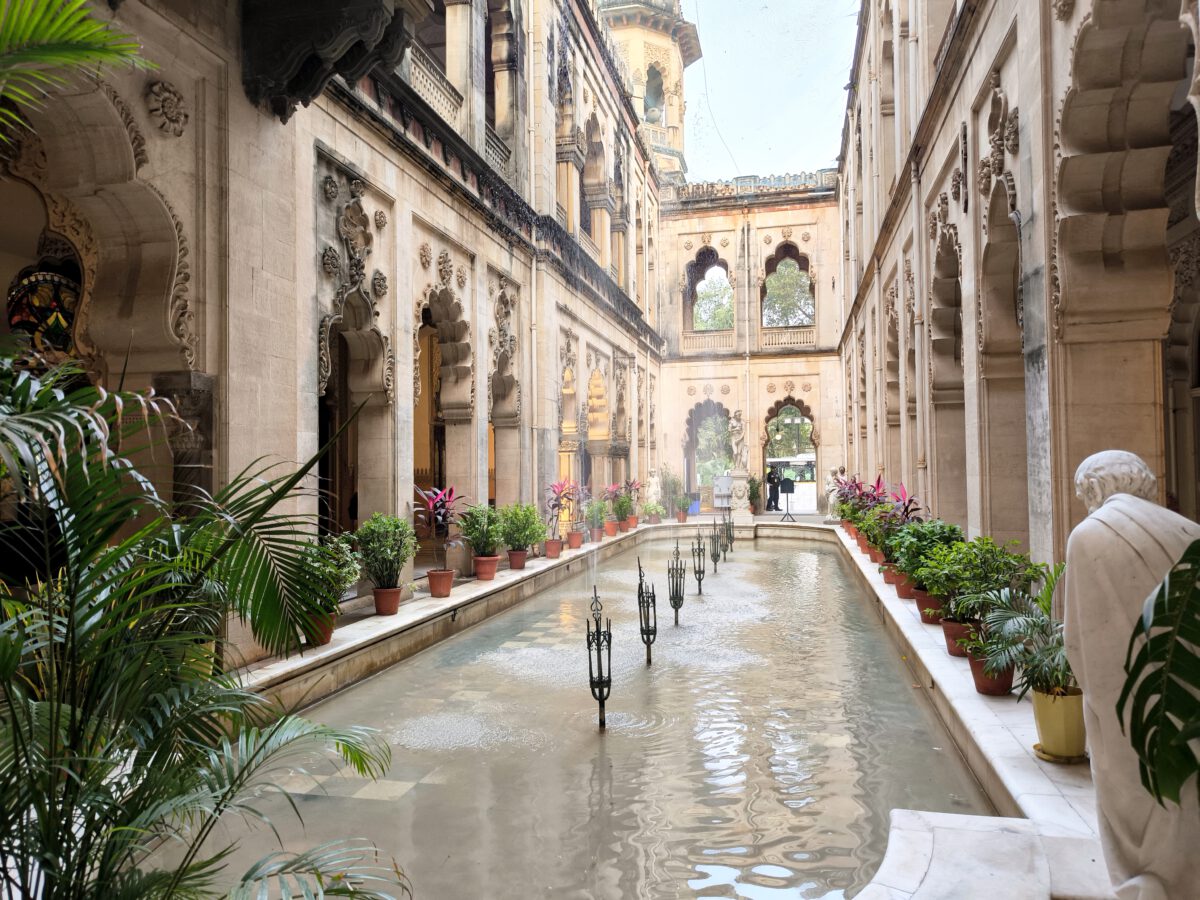
The clatter of the rails sounds like a lullaby in the train berth, but don’t worry – you can rely on the butler’s wake-up service: Vadodara in the state of Gujarat welcomes us in keeping with its largest industry, with cotton chains and a boat-shaped hat, the sort Mahatma Gandhi also wore. India’s famous champion of non-violence and independence hails from Gujarat, which enchants visitors with two UNESCO World Heritage mosques in the village of Champaner. Even more splendour awaits at Lakshmi Vilas Palace, said to be four times the size of Buckingham Palace in London. Our visit is staged as an unforgettable experience: as we enter, rose petals ‘rain’ down upon our heads whilst we make our way through the Indo-Saracenic splendour, with its splashing fountains, to ‘High Tea’ in the banquet hall.
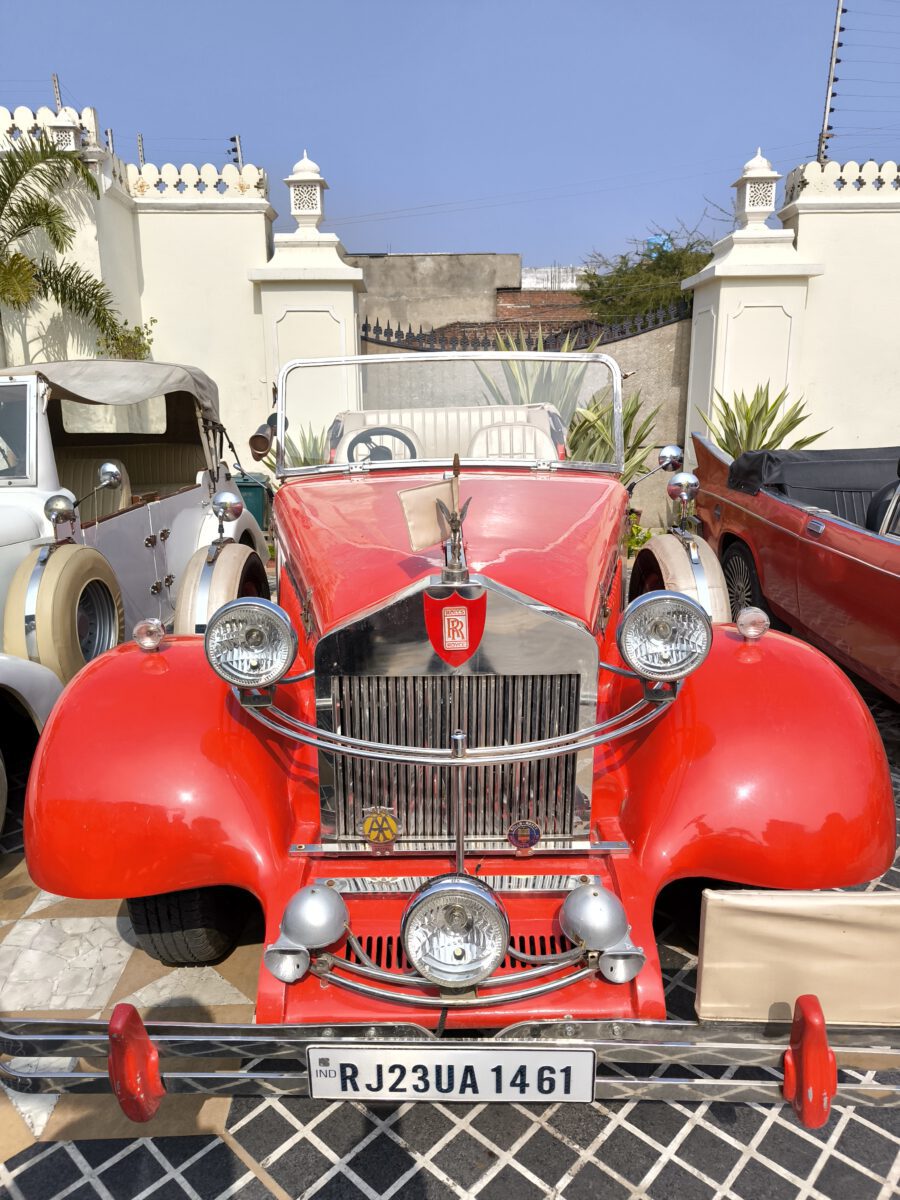
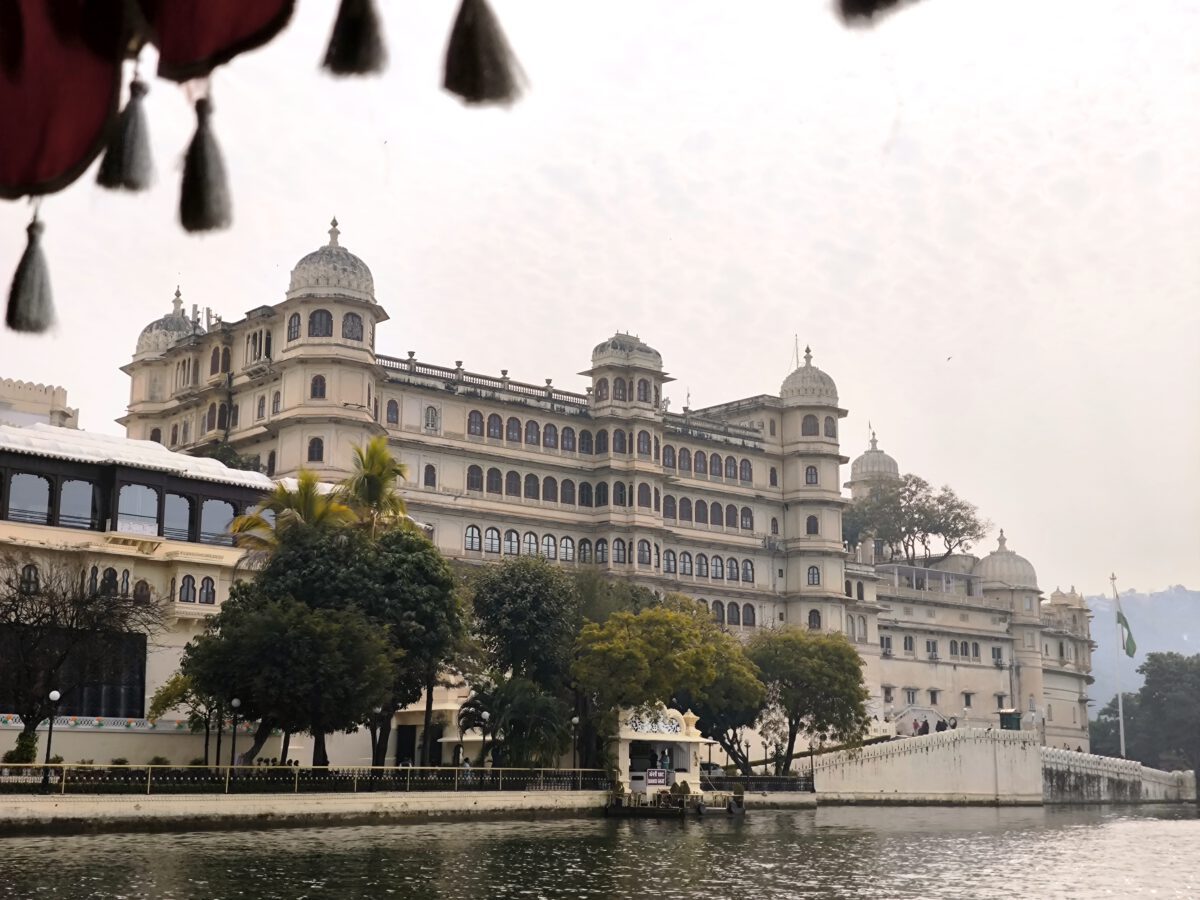
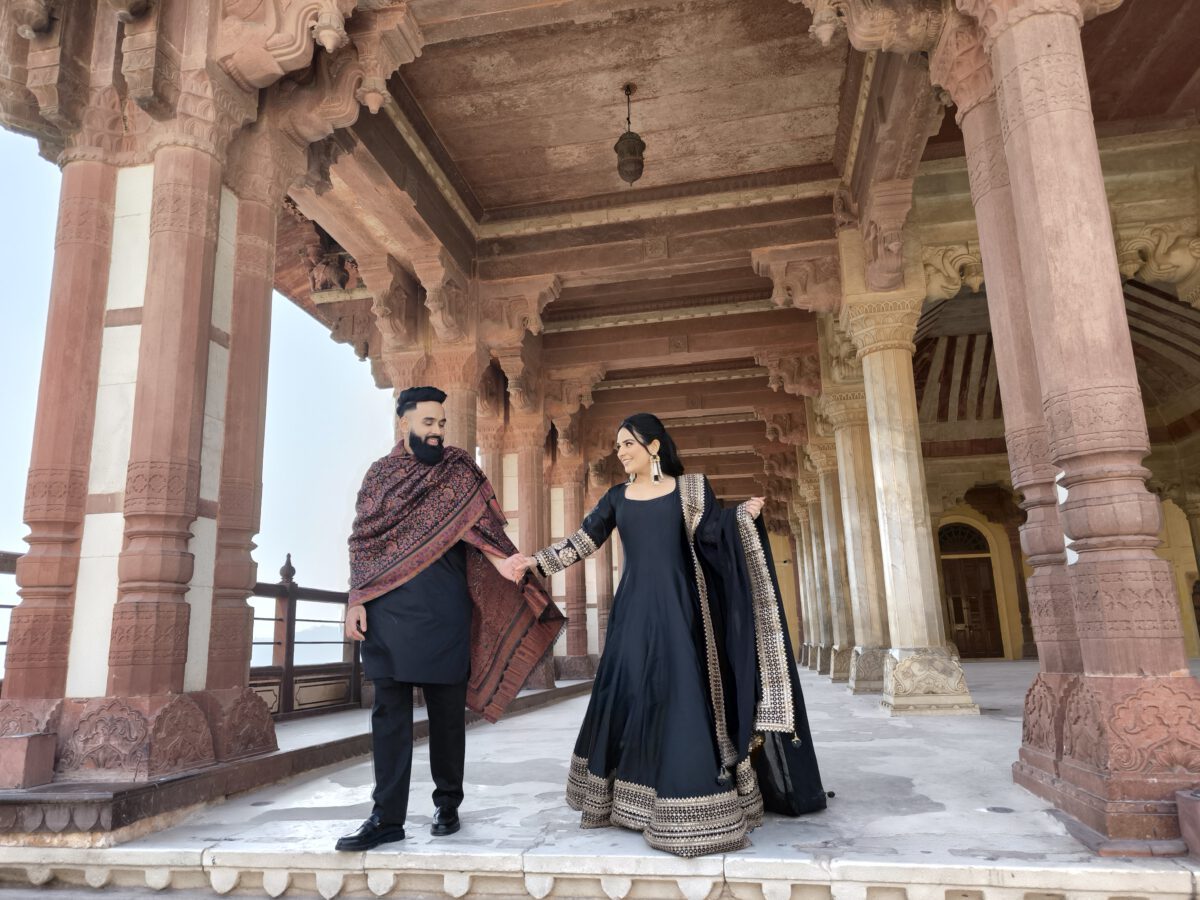
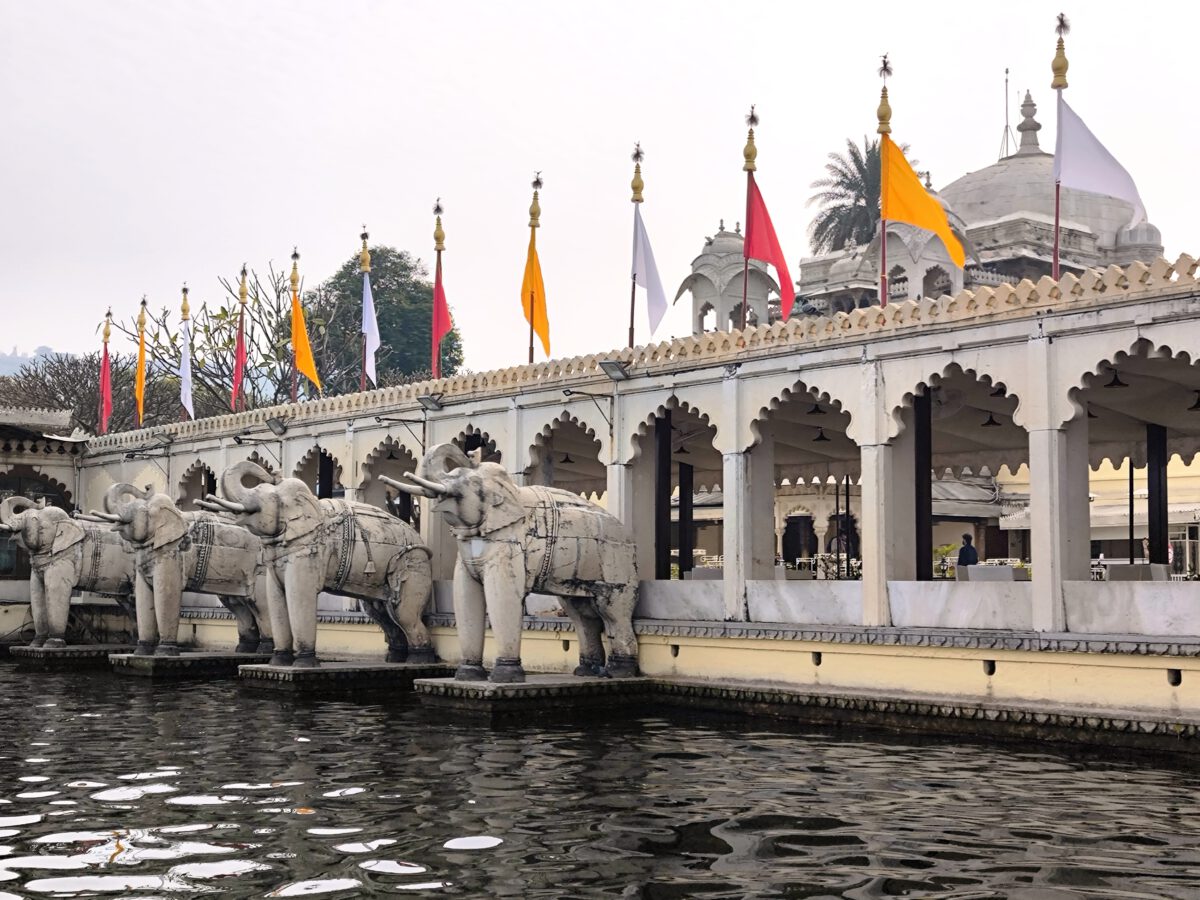
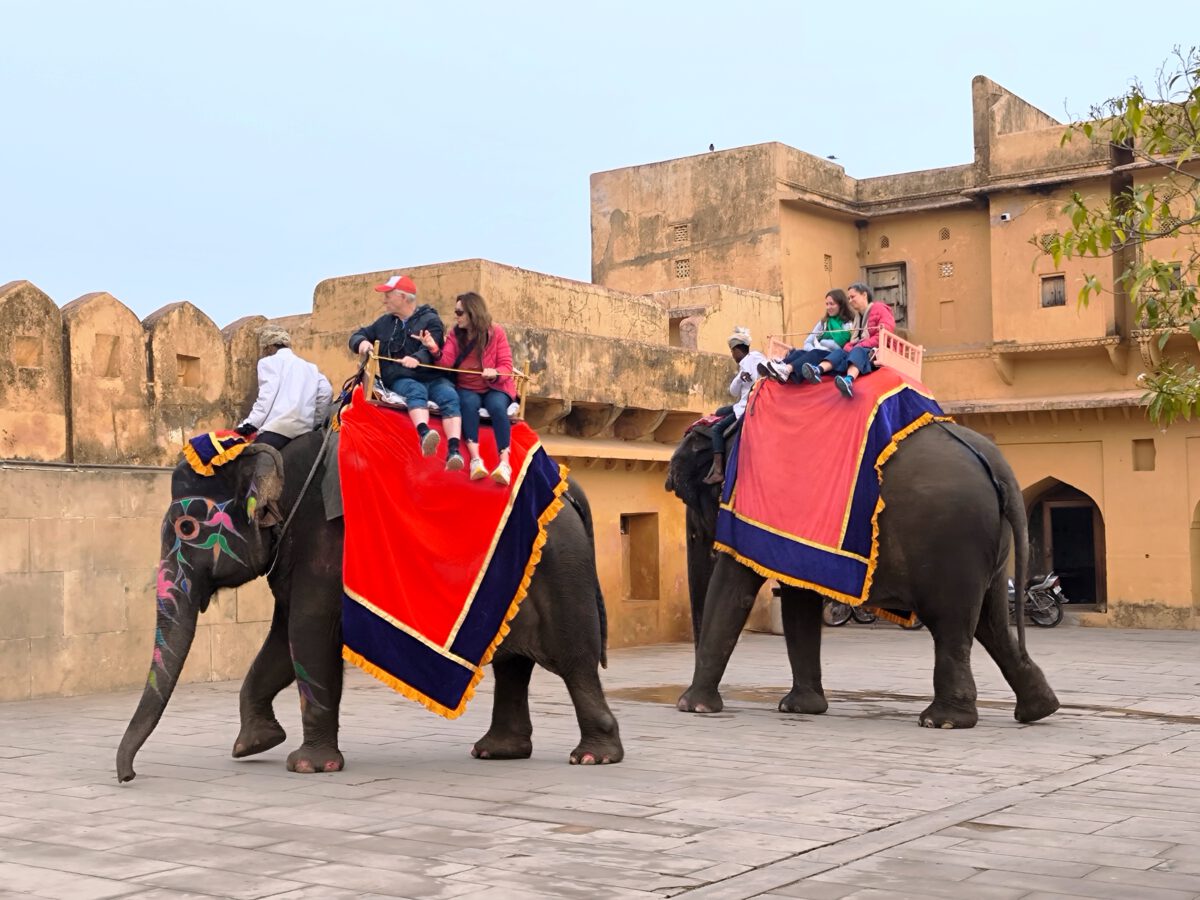
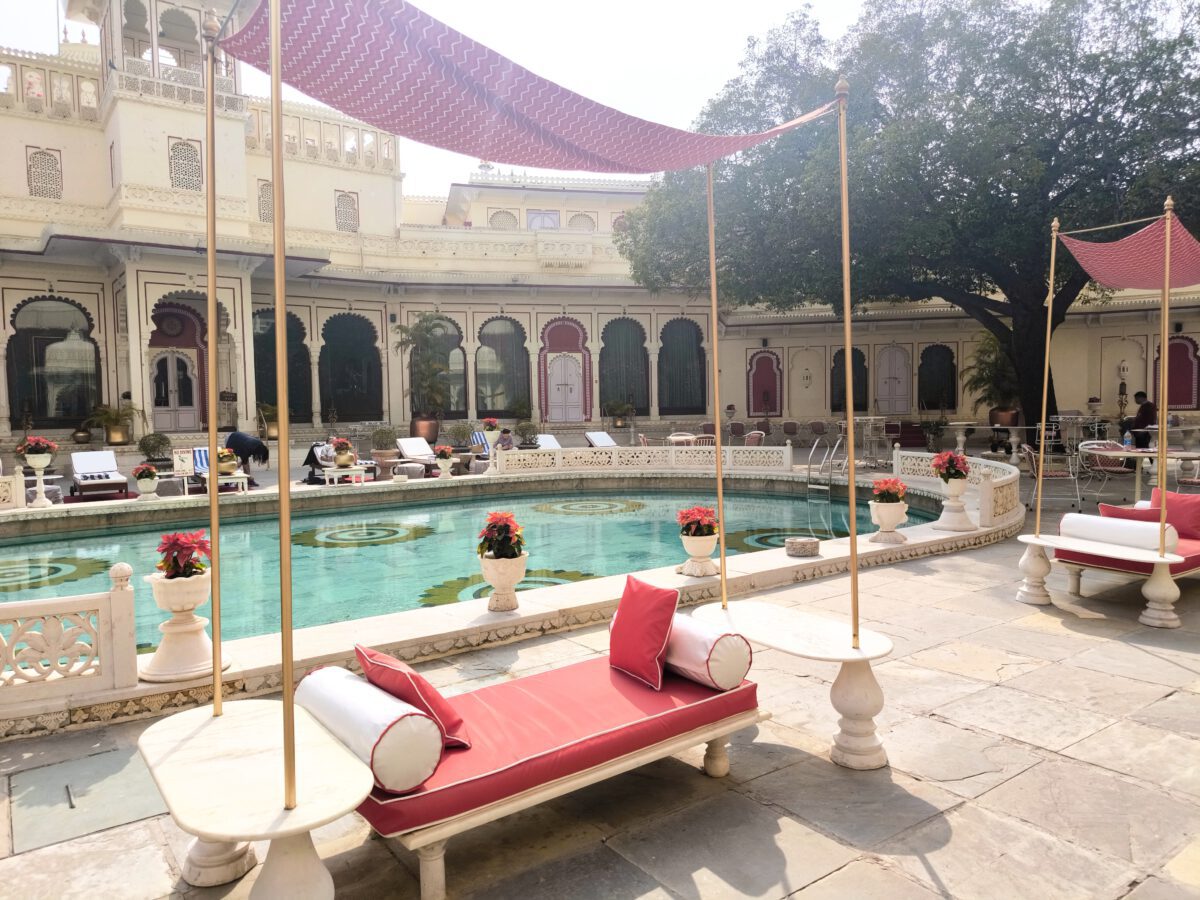
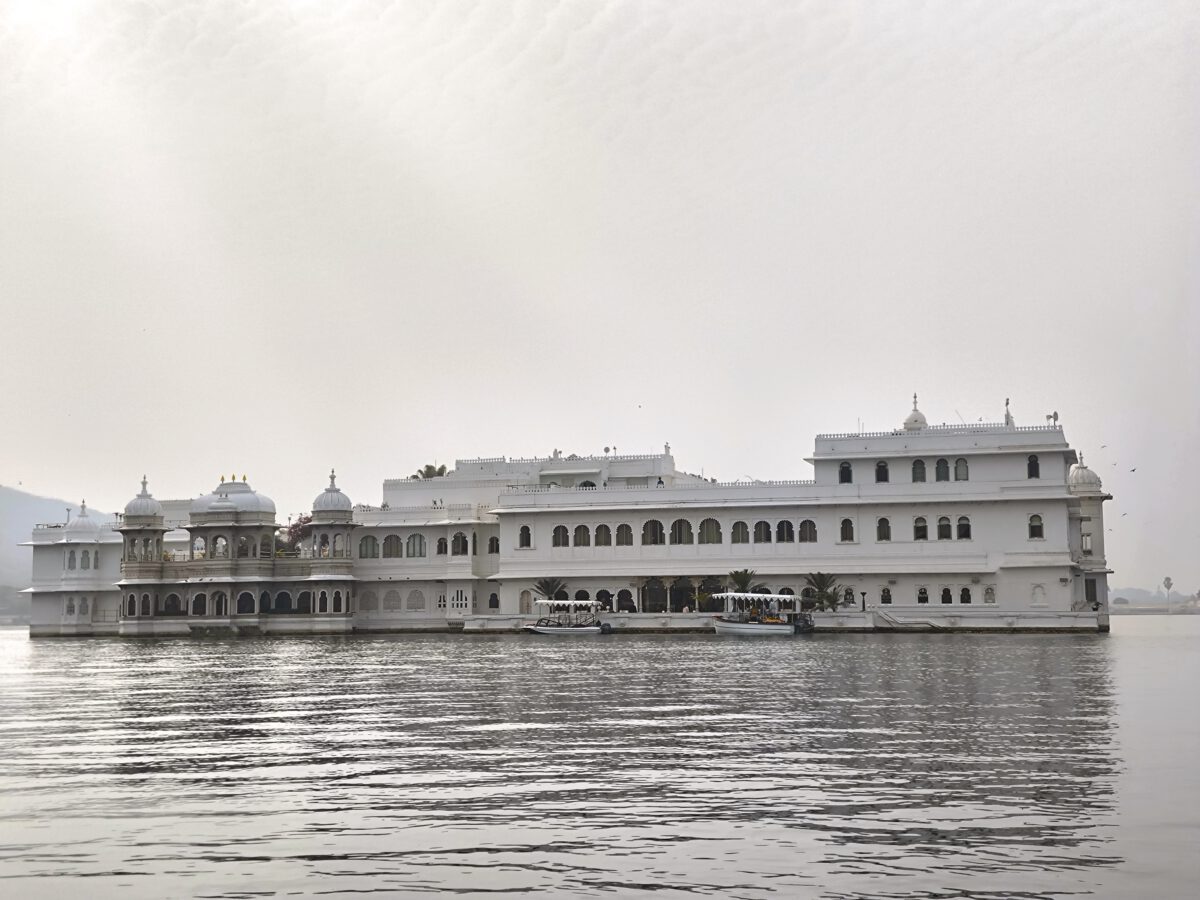
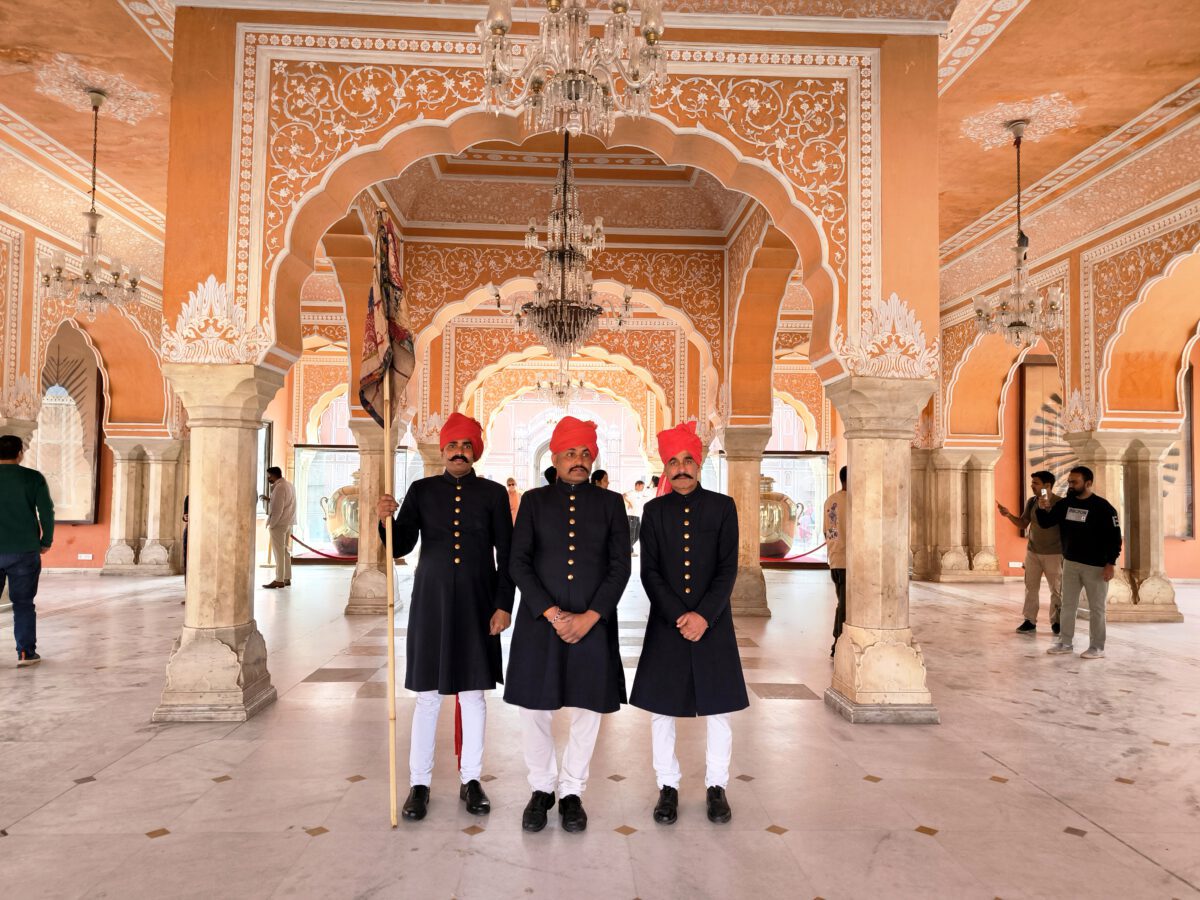
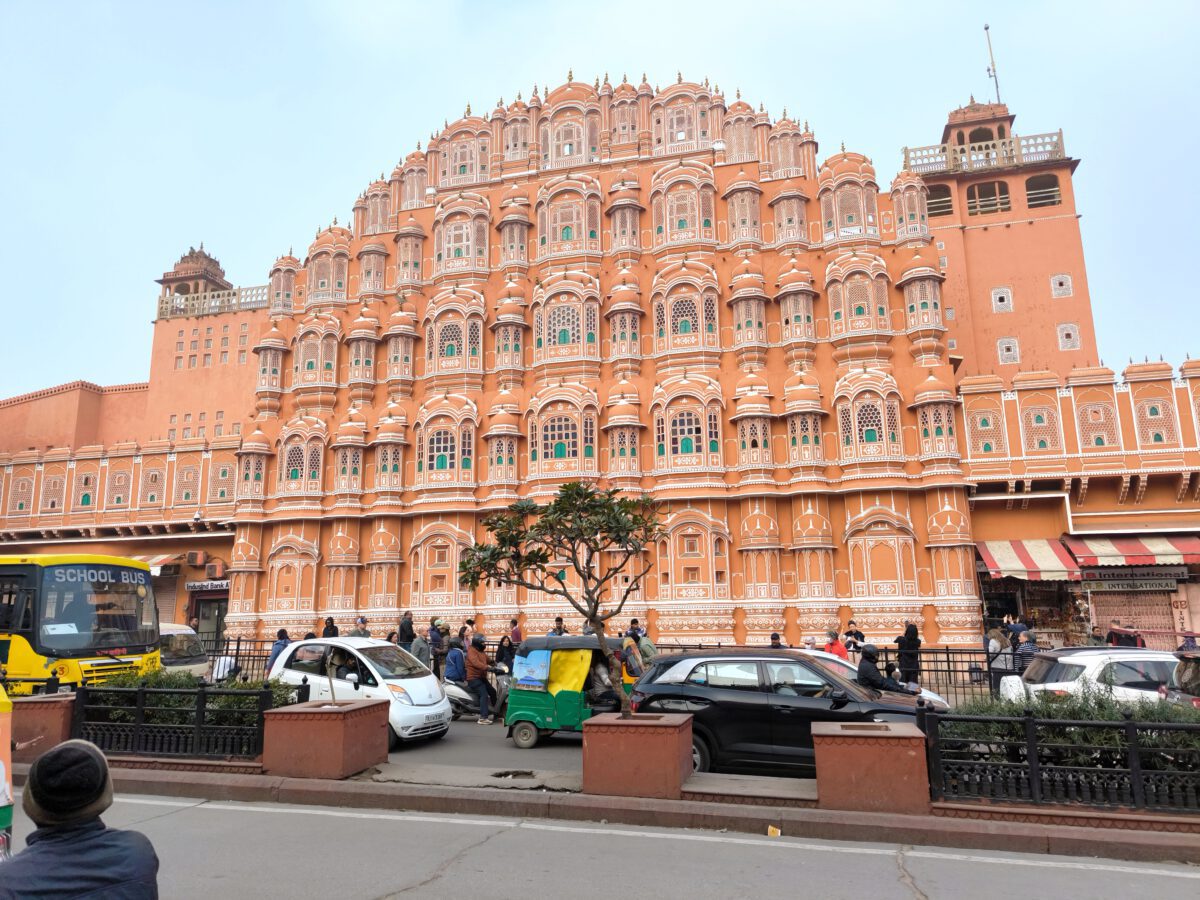
Over the next few days, we’ll be in Rajasthan. Here, you see India just as you imagine it. Udaipur and Jaipur are enchantingly beautiful cities with the maharajas’ vast palace complexes; since India’s independence in 1947, the maharajas have lived as businessmen and often reside in parts of their palaces. In Udaipur, we take a boat trip on Lake Pichola past Jag Niwas Island with the Taj Lake Palace, now one of India’s most beautiful hotels, which served as the backdrop for the Bond film ‘Octopussy’. At the magnificent Amber Fort, near Jaipur, built on the slopes of the Aravalli mountain range, elephants carry visitors up to the palace – a picturesque sight. However, following several accidents in which the stressed pachyderms attacked people, we drive up the mountain in jeeps.
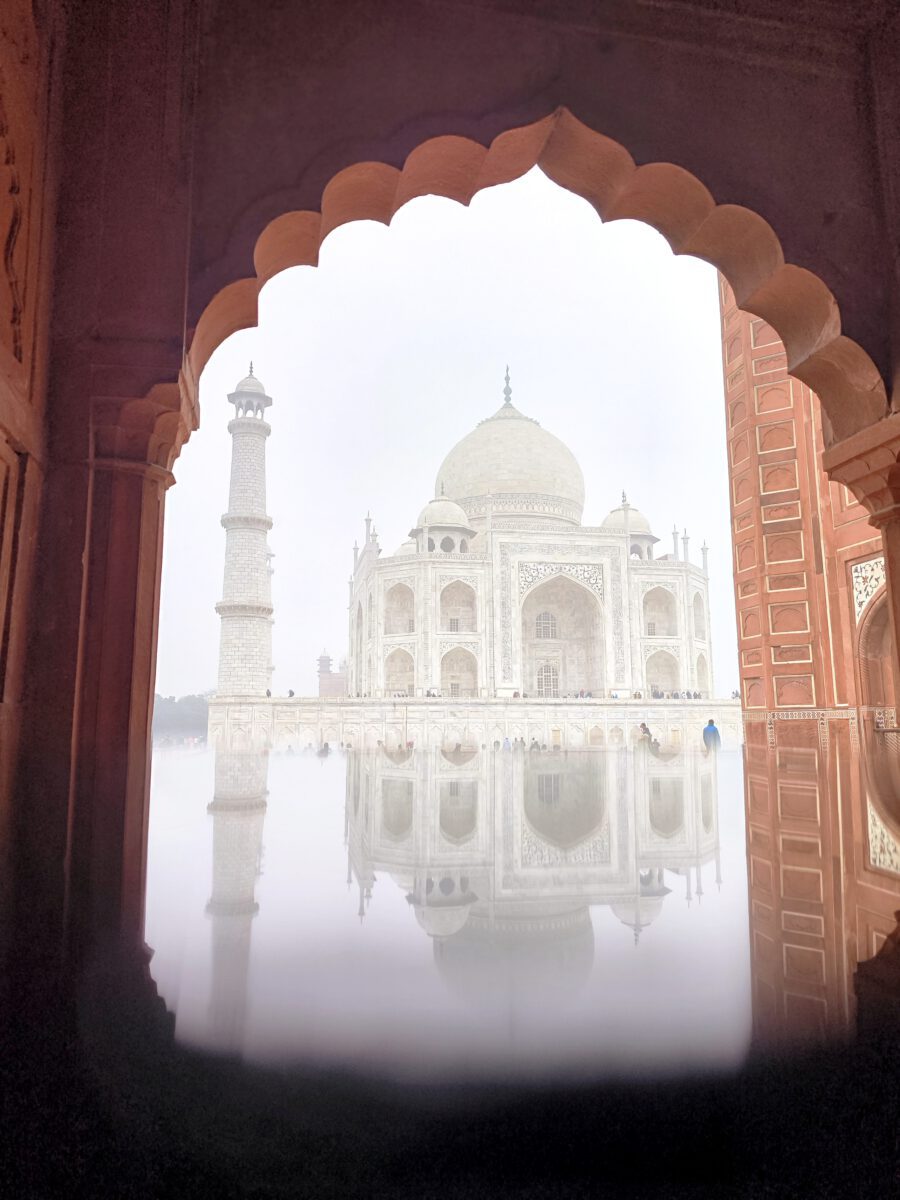
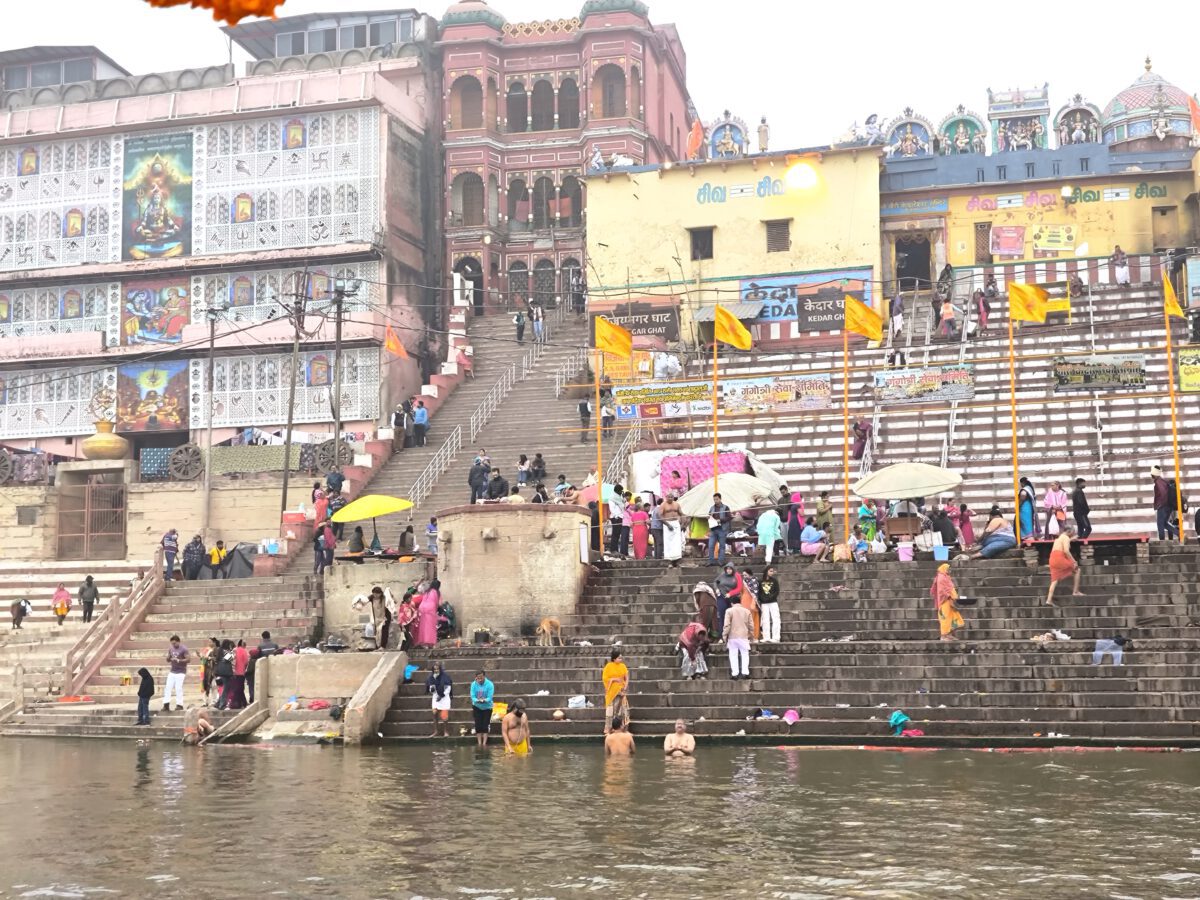
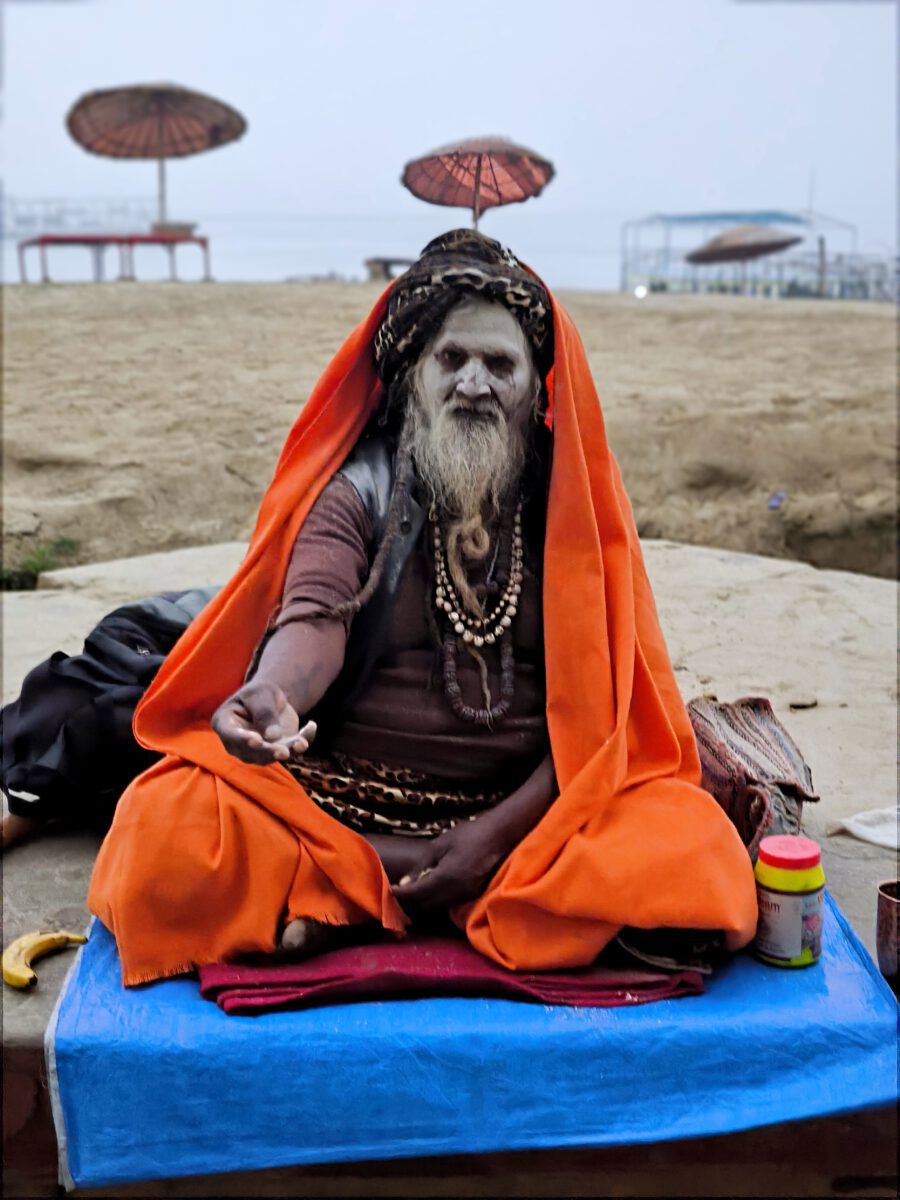
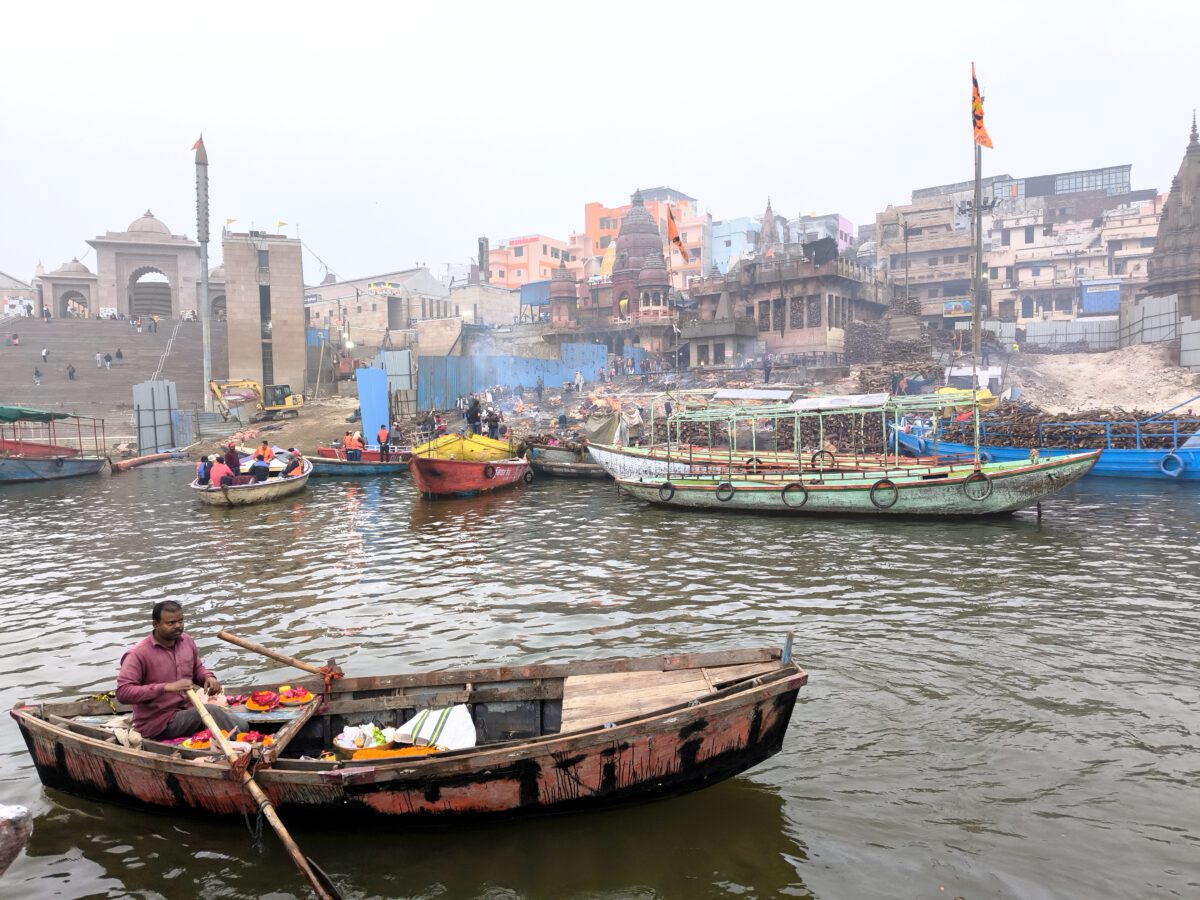
It is pouring with rain as we reach Ranthambore National Park – not the sort of weather for big cats. The 40 or so tigers living here remain hidden in the dense jungle. But the next day, everyone’s heart beats faster: we are at the Taj Mahal in Agra. India’s landmark and symbol of great love is an architectural dream of white marble with gemstone inlays sparkling in the light, completed in 1643 as a mausoleum for Mumtaz Mahal, the favourite wife of the Great Mughal Shah Jahan. Then a change of scenery: Varanasi is the most important pilgrimage destination for Hindus and a world of its own. People stand in the murky waters of the Ganges, praying and immersing themselves. Beggars and sadhus sit on the steps of the bathing ghats, and in between, fires blaze at the two cremation sites. Here, relatives have their dead cremated, and the air is thick with smoke and a sweetish smell.
The next morning in Siliguri, West Bengal, it’s time to bid farewell to the ‘Deccan Odyssey’. But we’re moving on to our next adventure: we’re taking the train to the Himalayas.
Continued below!
The Deccan Odyssey –
a train in Maharaja style
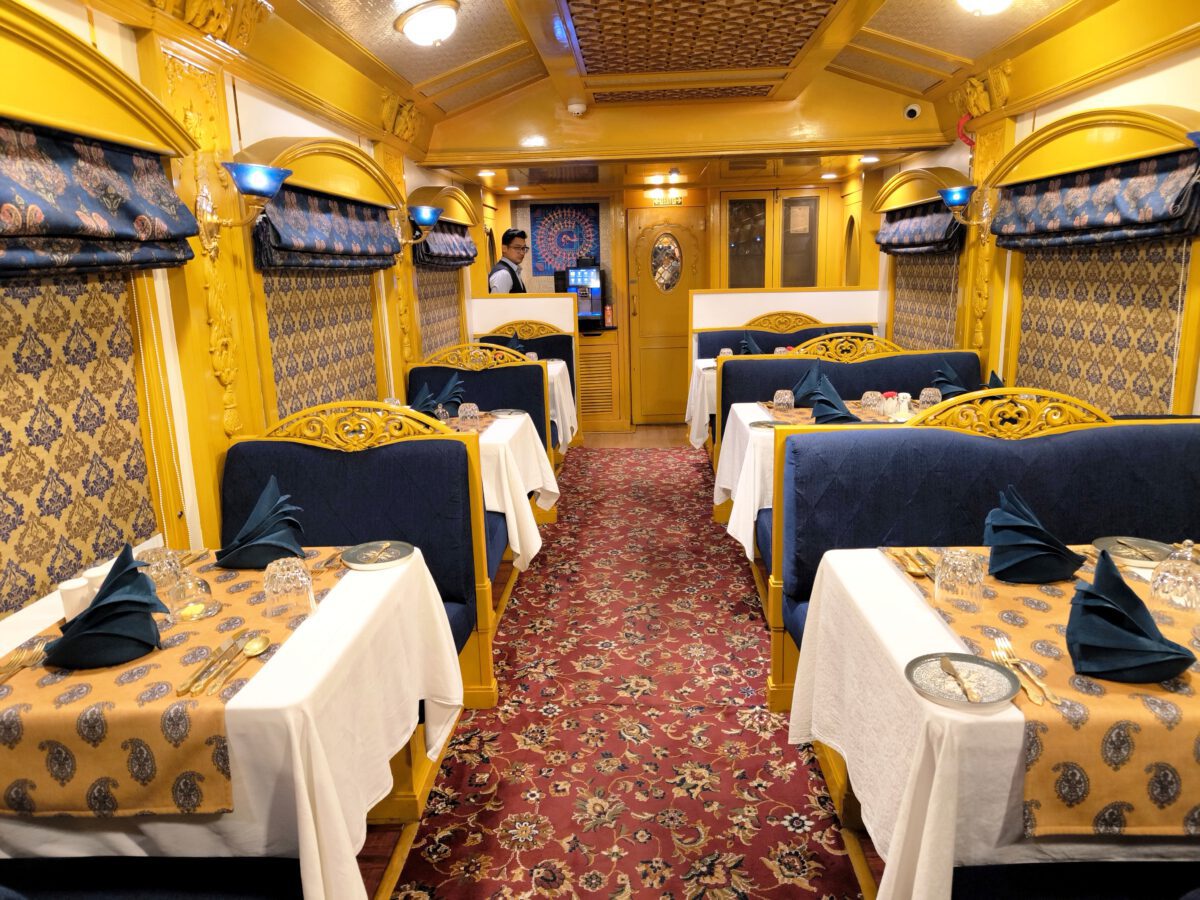
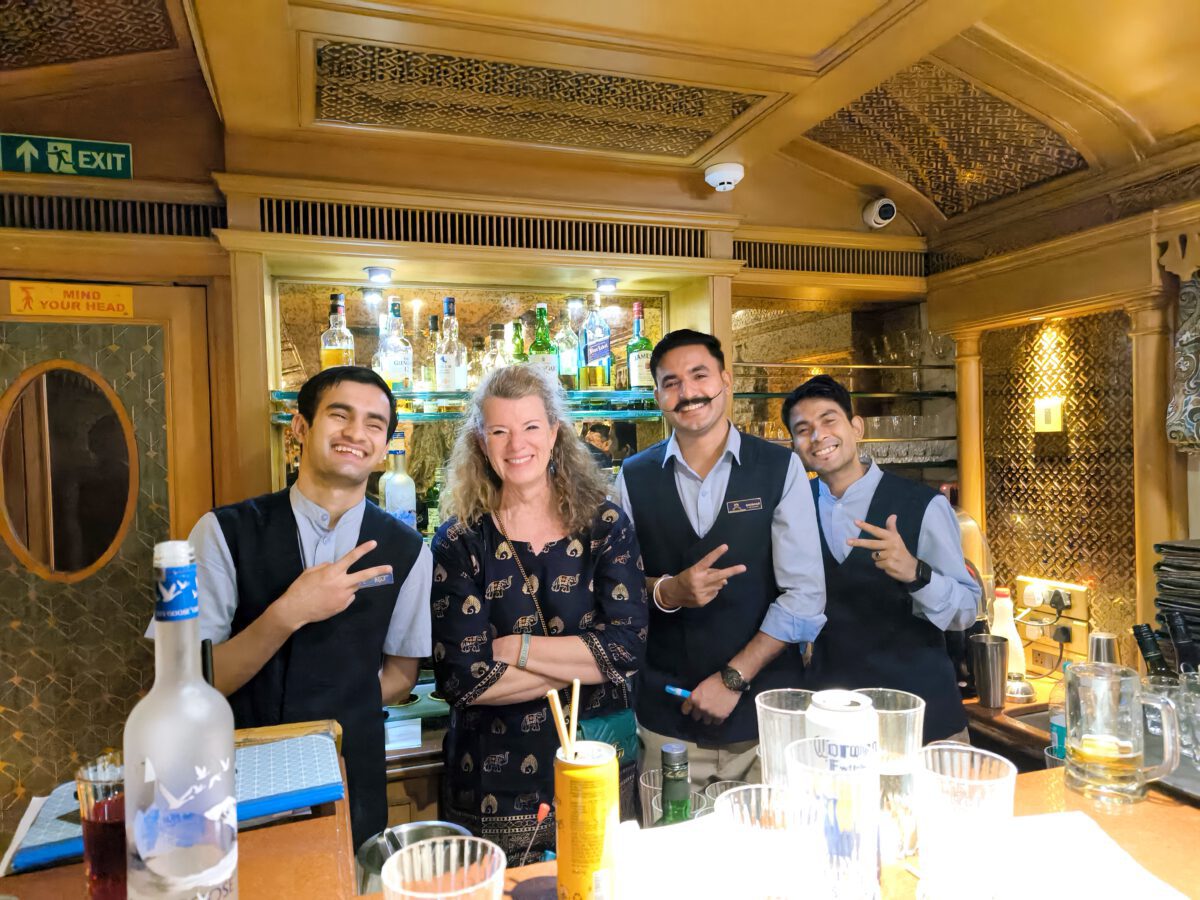
Thick carpets, colourful wallpaper, wood-panelled walls and comfortable upholstered furniture: the ‘Deccan Odyssey’ can accommodate 88 guests. It has 40 tastefully furnished double cabins with en-suite bathrooms, as well as two suites, each with two bathrooms. In the middle of the train are two dining carriages plus two kitchens, a bar carriage and a lounge with a television and a small library. There is also a fitness and spa carriage, including a small sauna. Here, guests can book beauty and wellness treatments as well as a visit to the hairdresser.
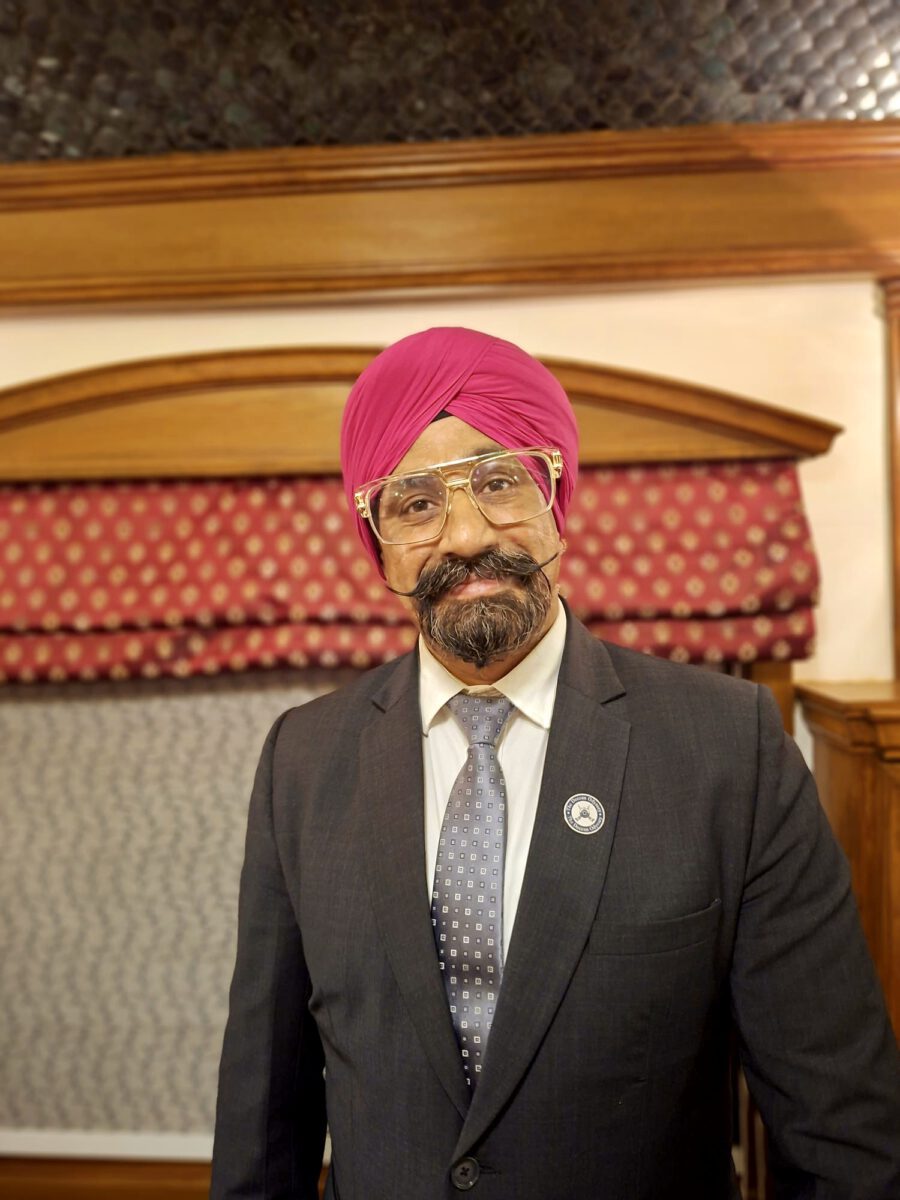
Simarpal Singh Virdi has been the train’s manager since 2023. “Our team consists of 48 staff members plus 10 employees from Indian Railways,” he explains. The “Deccan Odyssey” usually travels at night, much like a cruise, and arrives at a new station the following morning. The train is subject to the regular rail timetable and therefore sometimes has to wait overnight whilst the passengers sleep in their cabin beds.
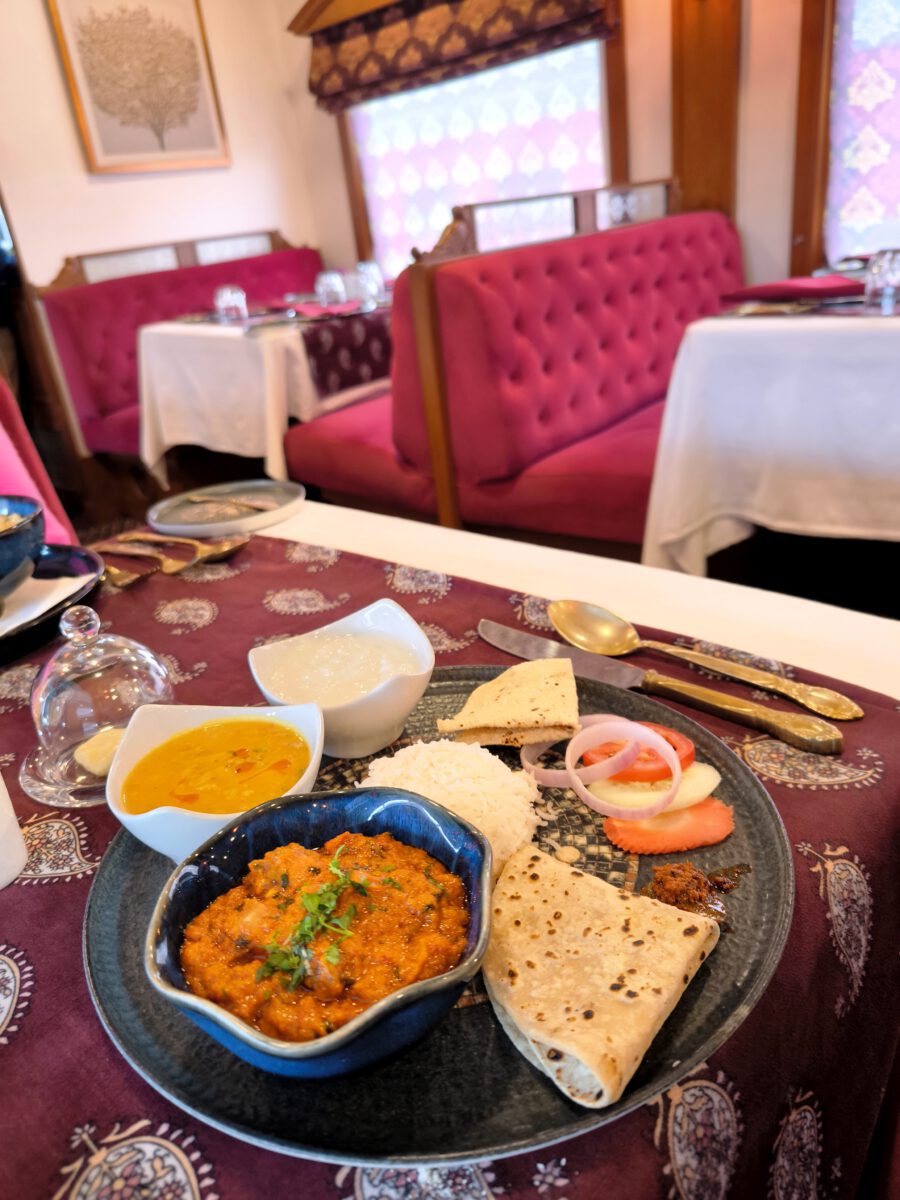
The kitchen and service team work well together and do an excellent job in the two small kitchens. “We prepare everything fresh. We even bake our own bread, muffins, cakes and croissants. We only buy ice cream and frozen goods such as fish in advance. For fruit, vegetables and meat, we have suppliers who deliver to us en route,” explains the train manager. My opinion: the food and service are excellent, and there is a choice of Indian and European dishes.
By steam train to Darjeeling
Amidst tea plantations and colourful colonial houses: the former summer retreat of the British offers breathtaking views of the ice-capped giant peaks of the Eastern Himalayas
The stoker shovels coal into the glowing maw. With a hiss, the steam train sets off. Cows and dogs step aside, residents leap back onto their doorsteps. The Darjeeling Himalayan Railway – affectionately known as the ‘Toy Train’ – chugs past vegetable stalls and houses at close quarters, and has done so since 1881. Back then, the British had the 87-kilometre-long narrow-gauge line built from Siliguri in the West Bengal lowlands to Darjeeling at an altitude of over 2,000 metres for the burgeoning tea industry. The track zigzags its way up into the foothills of the Himalayas – often skirting the precipice, past giant trees and tea plants. About every ten kilometres, the locomotive needs fresh water to prevent the boiler from exploding: half a dozen mechanics are then busy refuelling the ‘old lady’ and tightening the odd screw here and there to ensure she can tackle the next incline. An adventurous route that has been a UNESCO World Heritage Site since 2005.
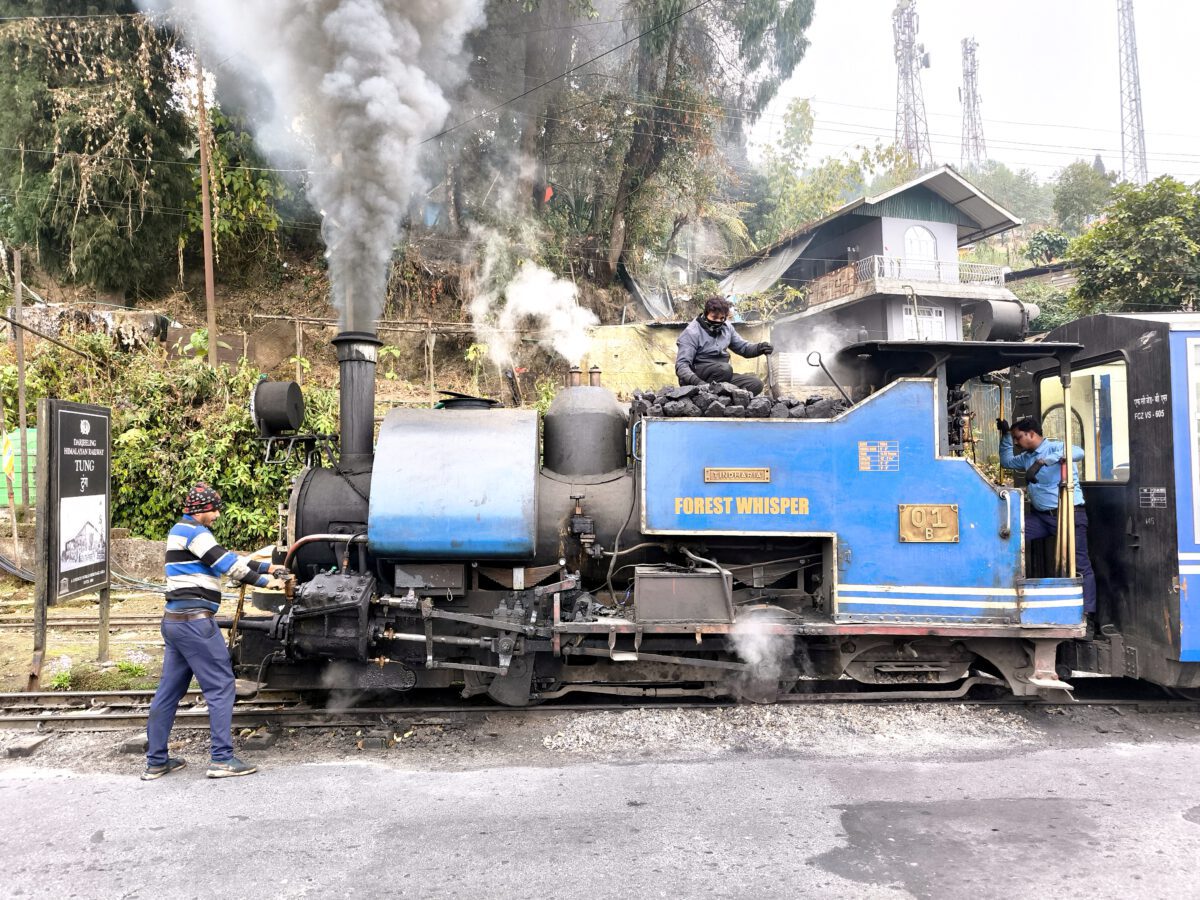
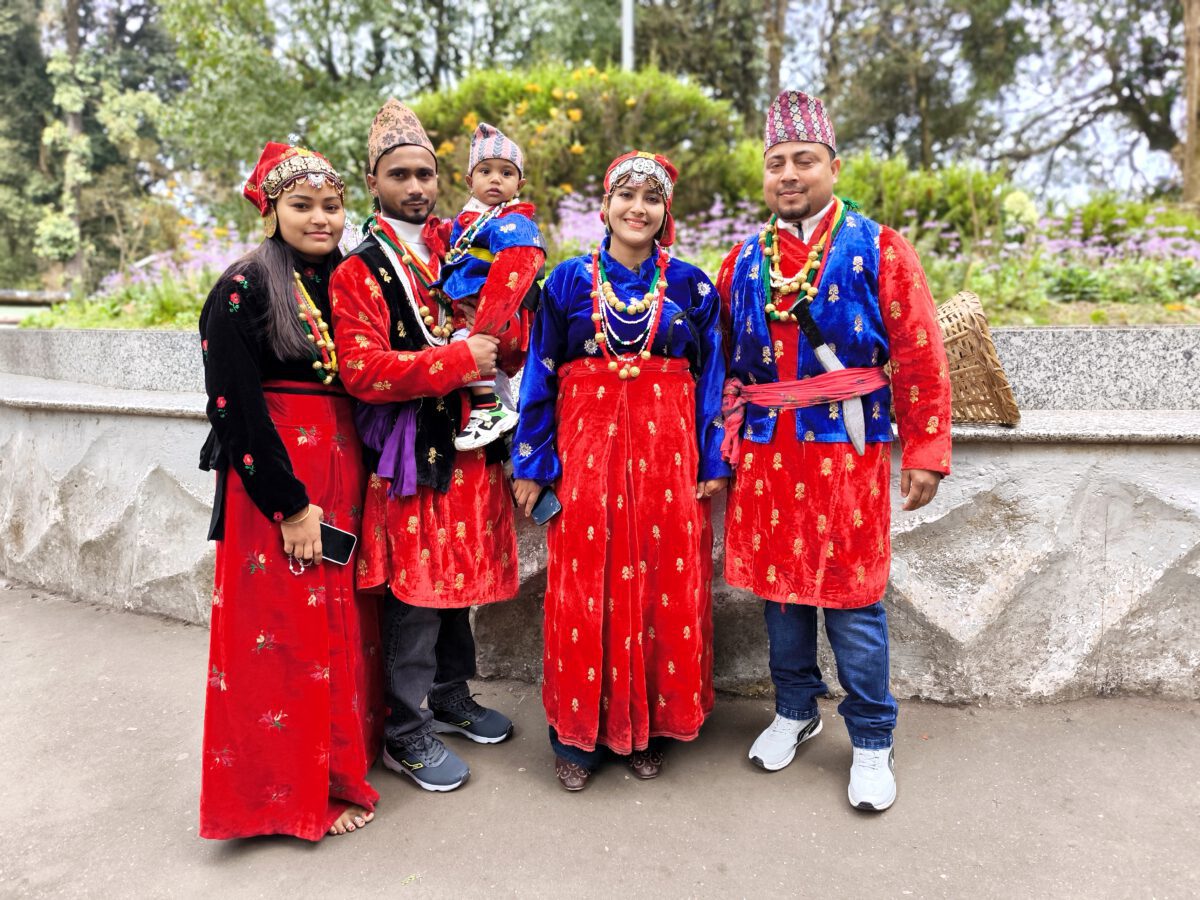
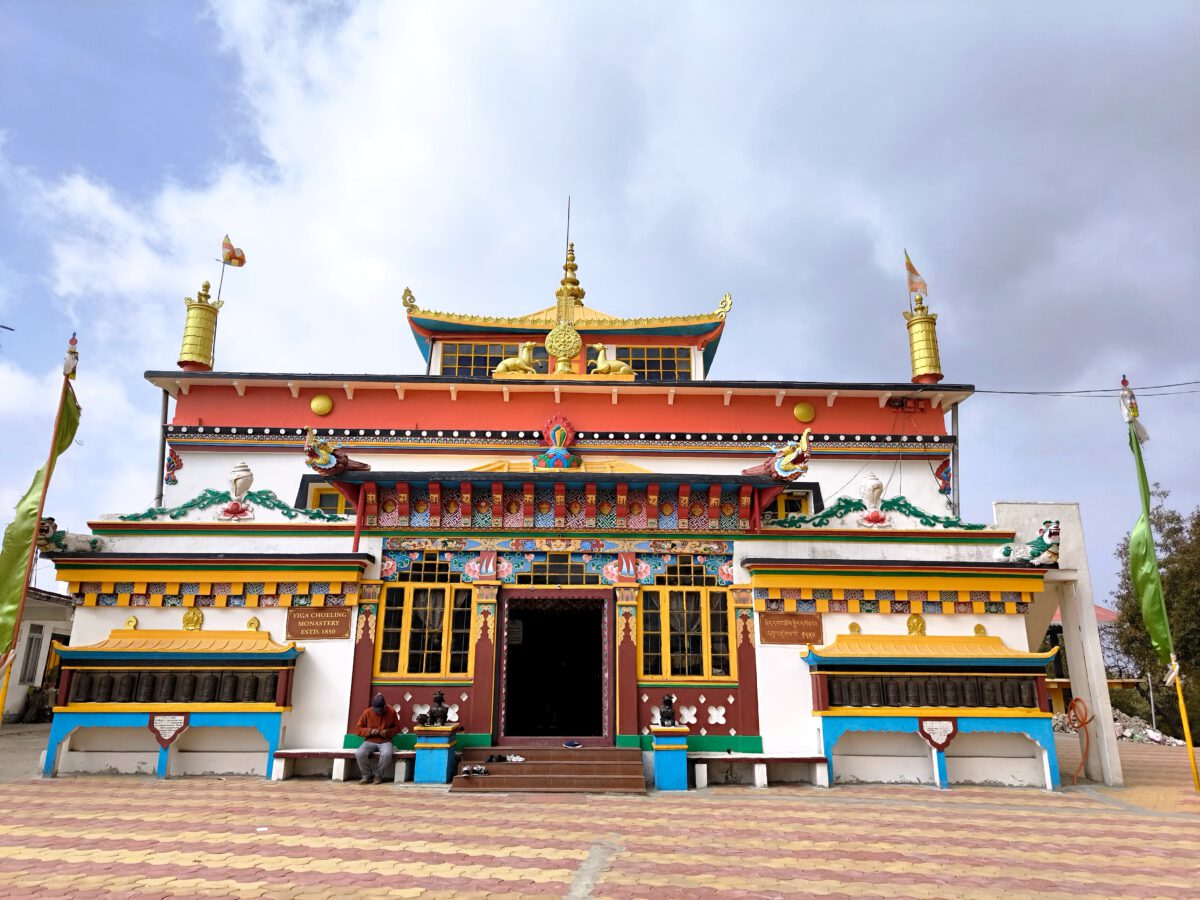
Once you arrive in Darjeeling, India feels different: this town of 120,000 inhabitants is a melting pot of neighbouring cultures, with people from Nepal, Sikkim, Tibet and Bhutan. Buddhist prayer flags flutter above the streets, many people speak Nepali, and pastel-coloured houses with corrugated iron roofs cling to the steep slopes. From 1839 onwards, the British developed the remote mountain village into a ‘hill station’ to escape the sweltering heat of the then capital of British India, Calcutta, during the summer months, and to grow first coffee and later tea.
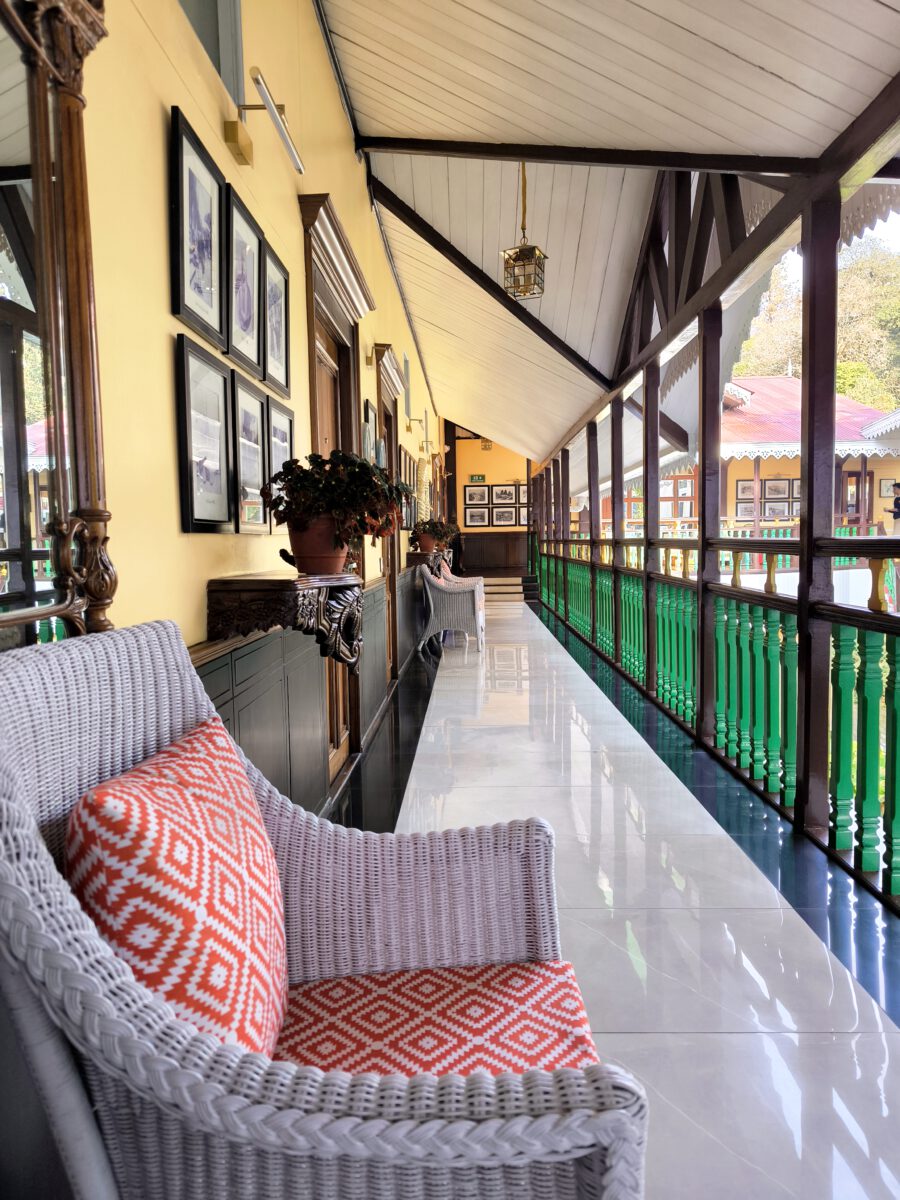
Darjeeling tea is regarded as the champagne of teas; the “First Flush” from the first spring harvest is particularly famous for its fresh aroma. Tea shops line the streets in the town centre, which consists of an almost bewildering maze of alleyways. Right at the top of the slope: 19th-century colonial estates, now often charming hotels.
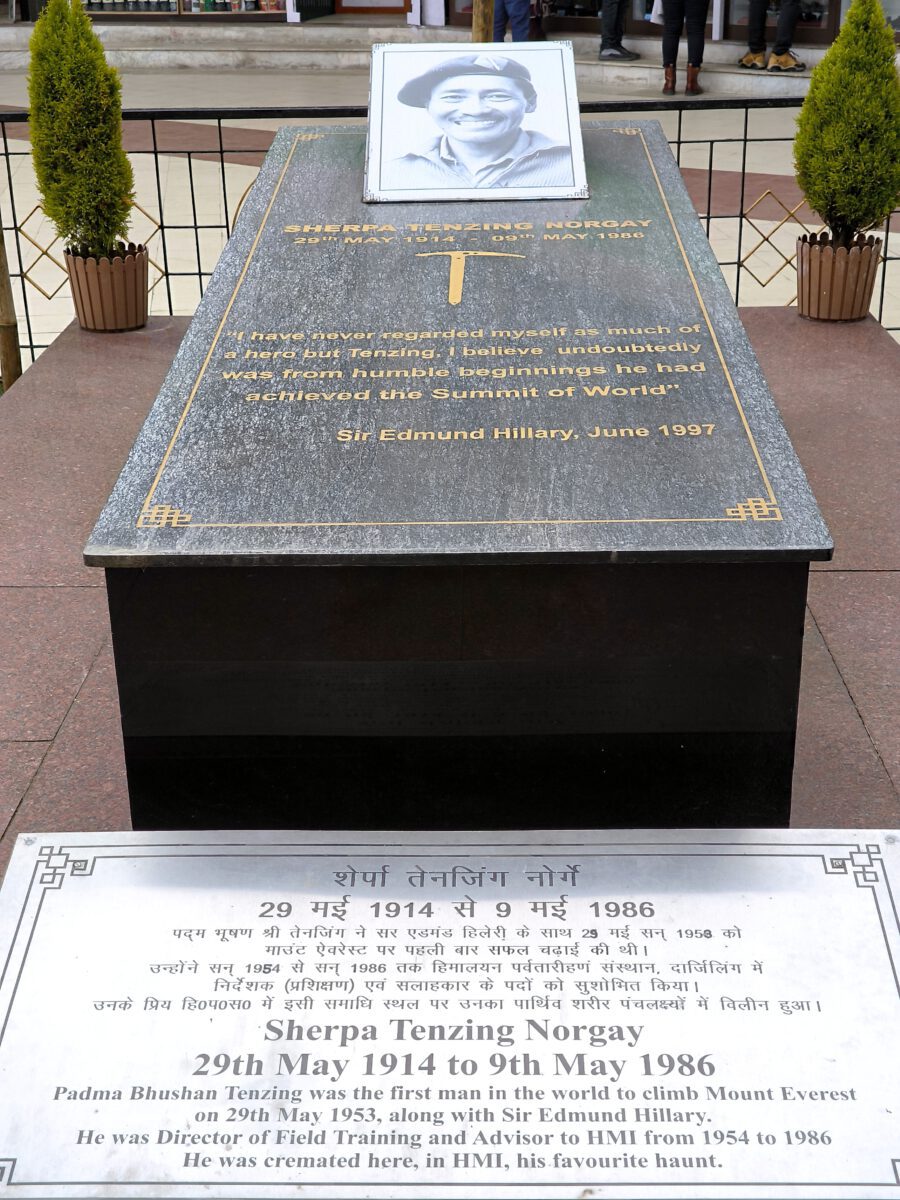
But Darjeeling’s highlight is the spectacular view of the world’s third-highest mountain: the 8,586-metre-high Kangchenjunga. From ‘Tiger Hill’, the view of the glistening white giant peak as it sheds its cloud cover in the early morning is breathtaking. Anyone wishing to learn more about the roof of the world should visit the Himalayan Mountaineering Institute (HMI). The centrepiece of the museum is dedicated to the conquest of the highest peak and to Sherpa Tensing Norgay.He was the first person to climb Mount Everest in 1953, alongside Edmund Hillary, and, incidentally, was trained at a Swiss mountaineering school.
Namaste in Kolkata
Magnificent buildings alongside slums and a fascinating flower market: the capital of West Bengal, which was known as Calcutta until 2001, has a vibrant energy
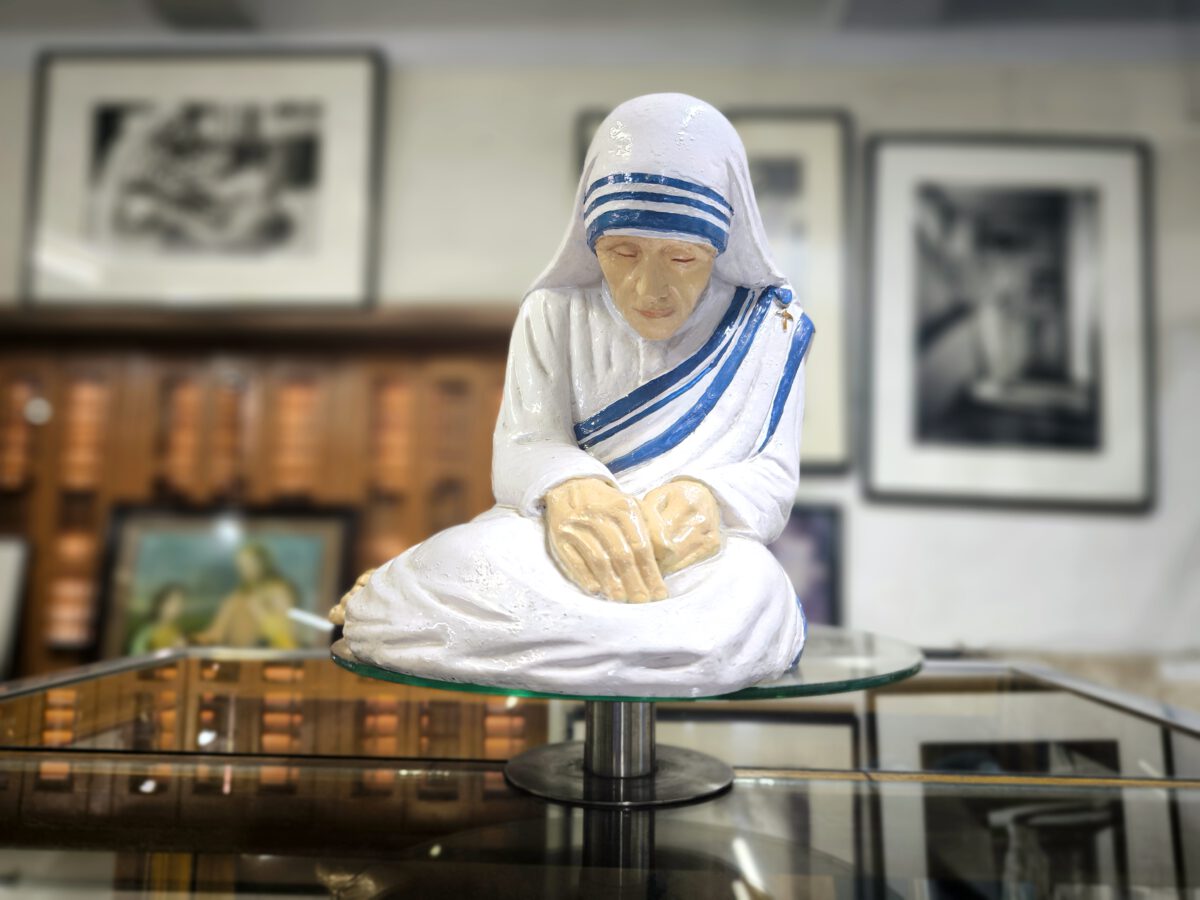
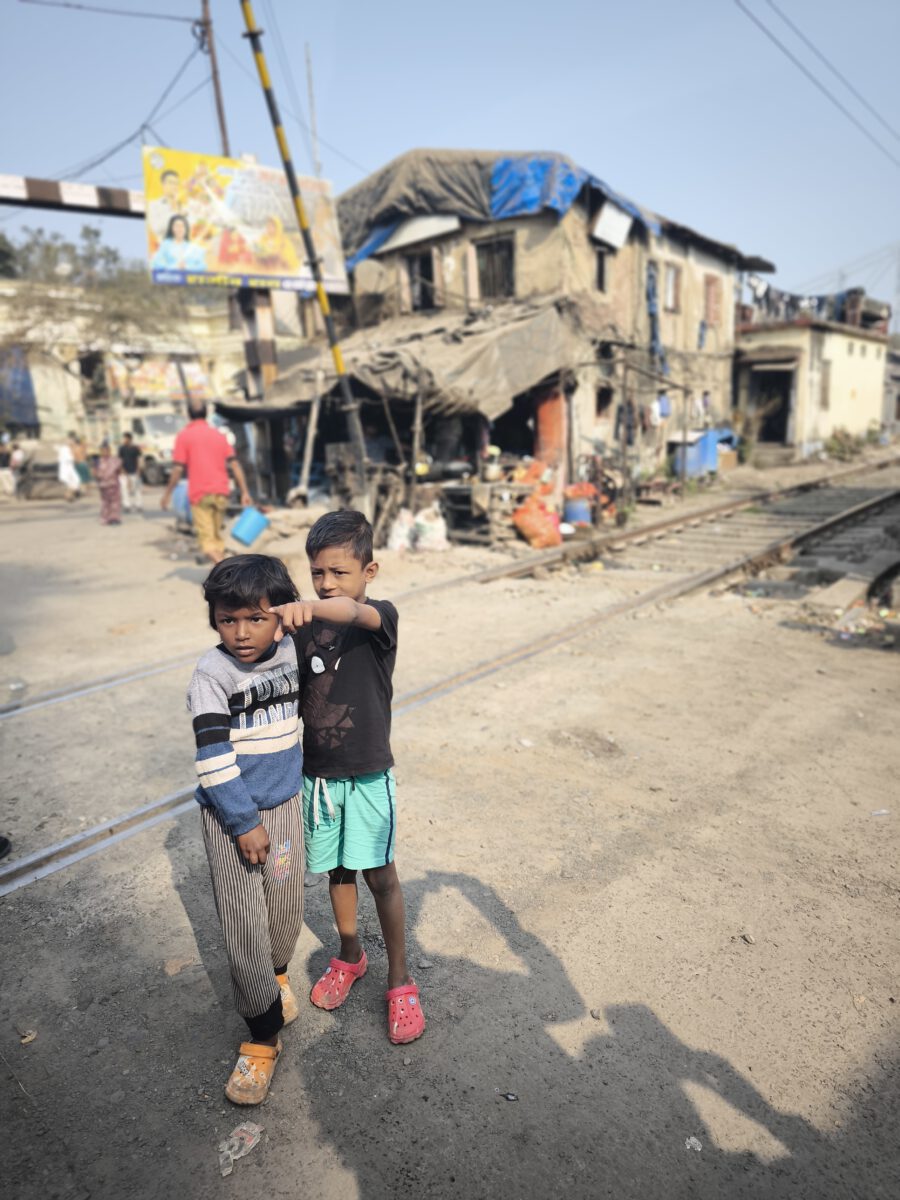
An hour’s flight from Bagdogra and we’re in Kolkata on the Hugli, a tributary of the Ganges. This metropolis of millions tastes of spice and sweetness, is deafeningly loud and as quiet as birdsong, and brims with youthful dynamism. Kolkata is exciting, yet Europeans often use it merely as a stopover on their way to the Far East. It is possible that Mother Teresa’s work has left us with the impression that the city is not an attractive holiday destination. A pity, because one of the places well worth seeing is her convent in the Taltala district. Founded in 1952, the headquarters of the Missionaries of Charity exudes a soothing tranquillity. Outside the door, traffic roars past with yellow taxis of the Indian Ambassador make, whilst inside, the blue house is a peaceful oasis. This is where the famous nun, who dedicated her life to the sick and the poor and was awarded the Nobel Peace Prize in 1979, is buried.
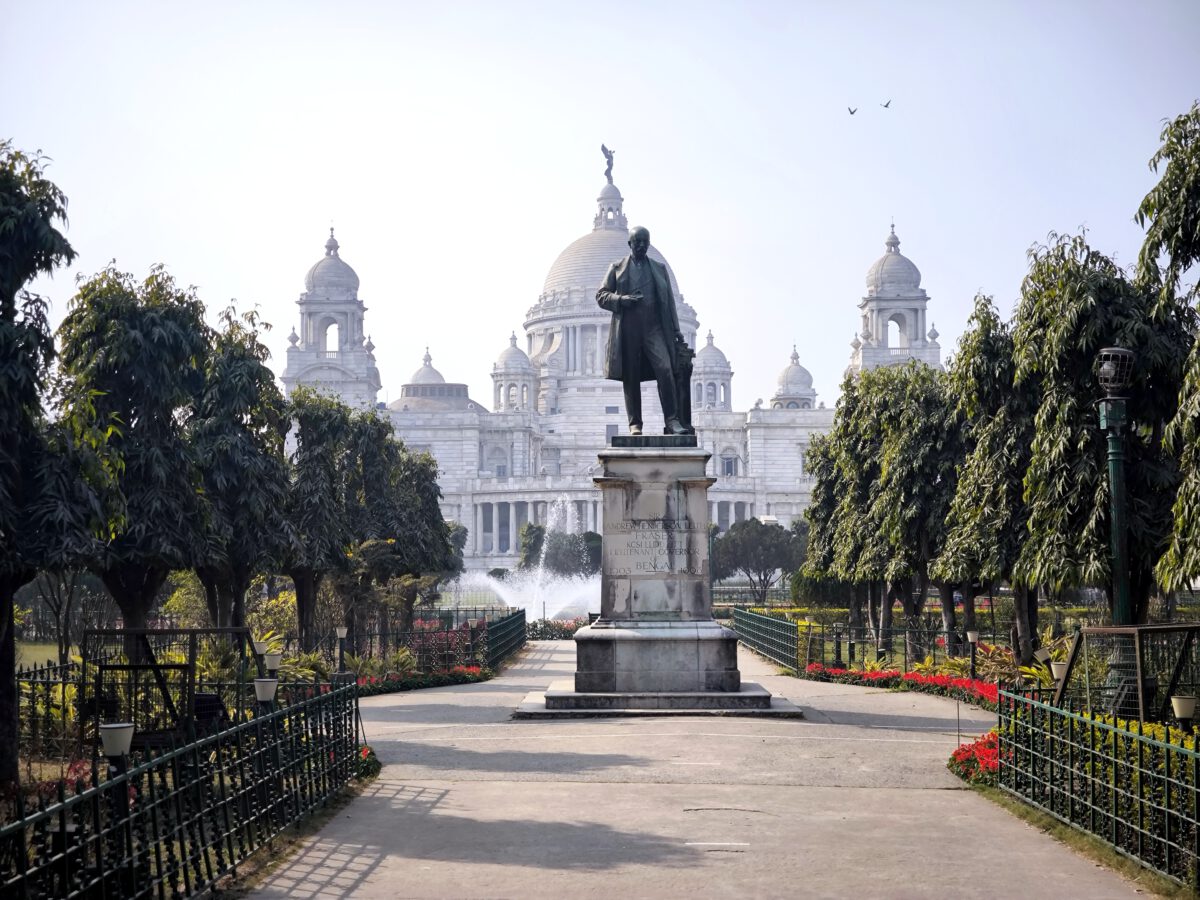
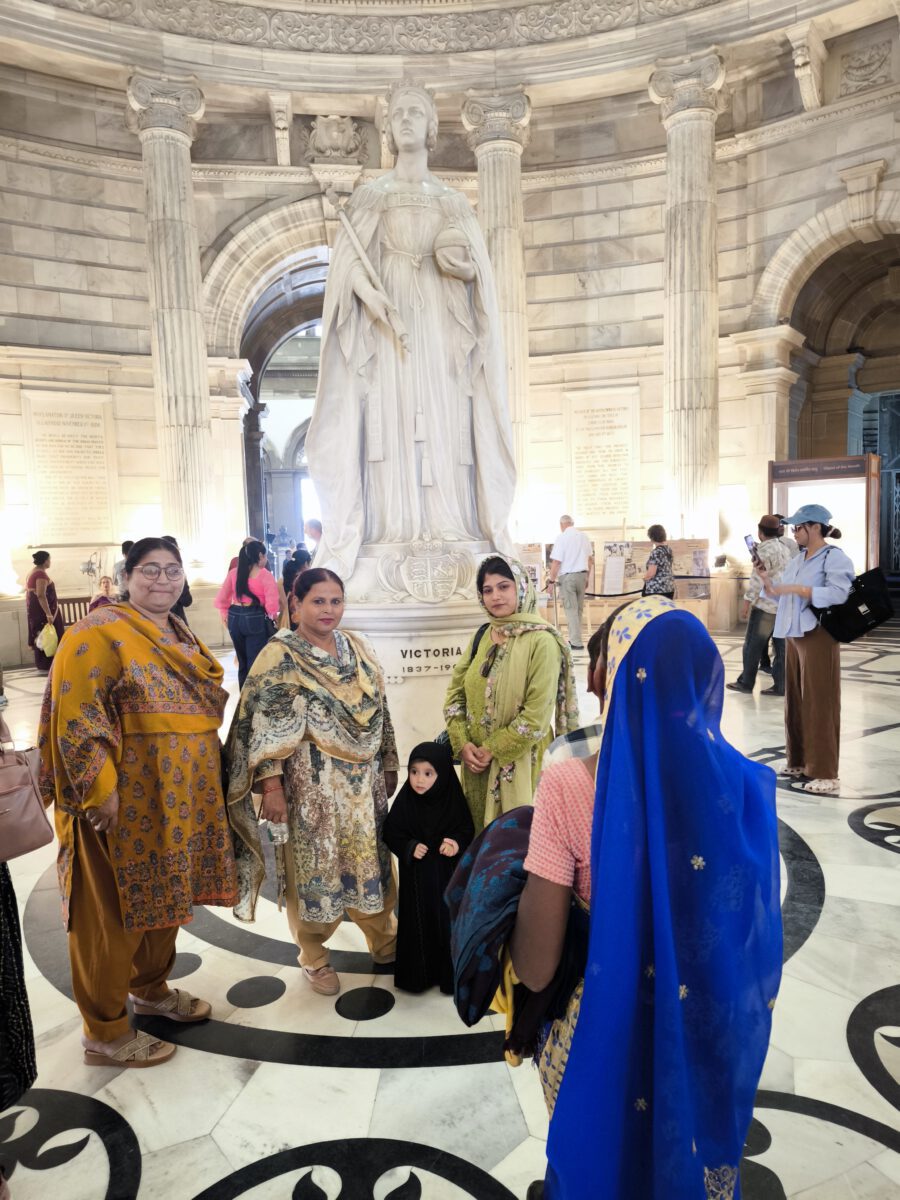
A little further south lies another oasis: the Victoria Memorial – completed by the British in 1921 in honour of Queen Victoria, who was Empress of India until 1901 – is a magnificent marble edifice set in a sprawling park featuring fountains. With five million visitors a year, it is one of the most popular museums in India; only the Taj Mahal in Agra attracts more visitors. Although the building is a symbol of colonial power and serves as a reminder of a time that for the majority of the Indian population is likely to be associated with lack of freedom and oppression, a queue forms in front of the Victoria statue because virtually every Indian wants a souvenir photo with the stone ex-Empress.
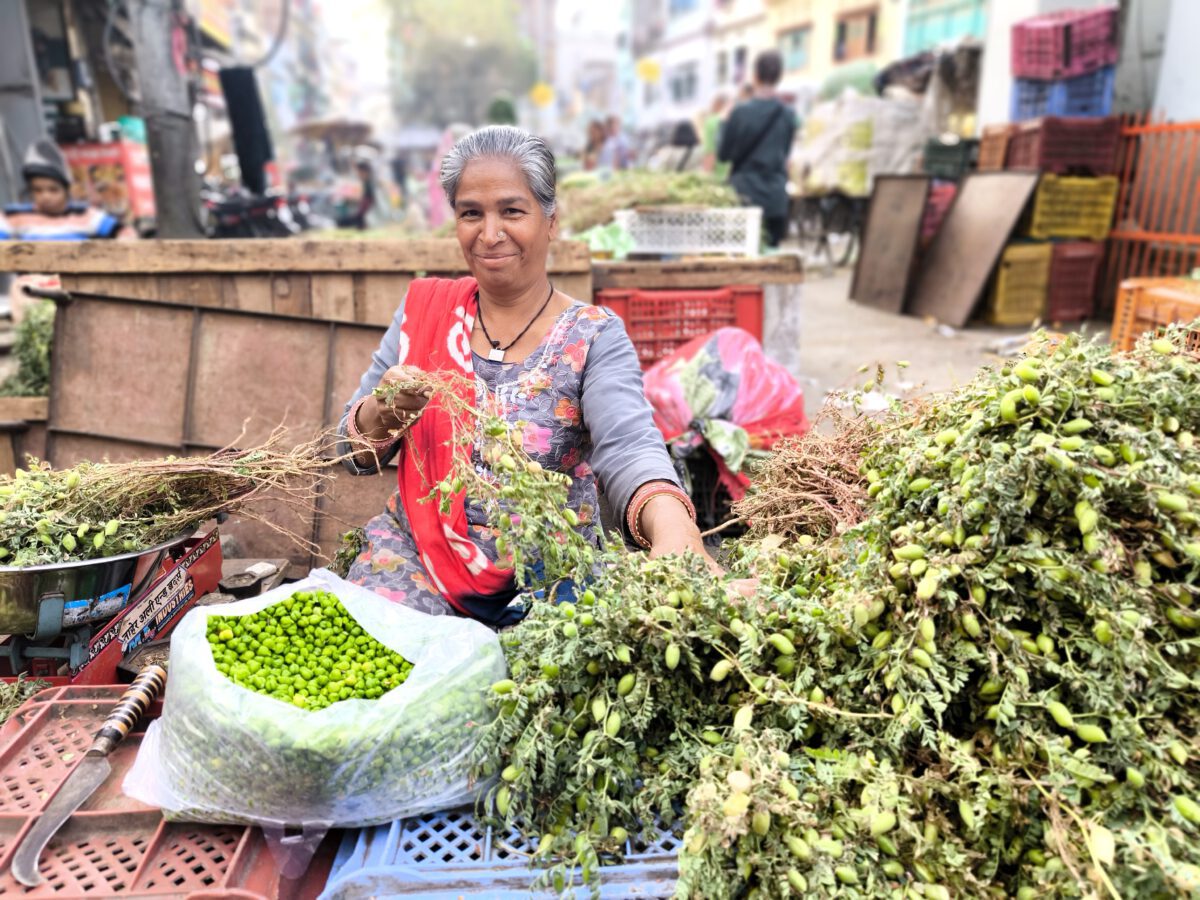
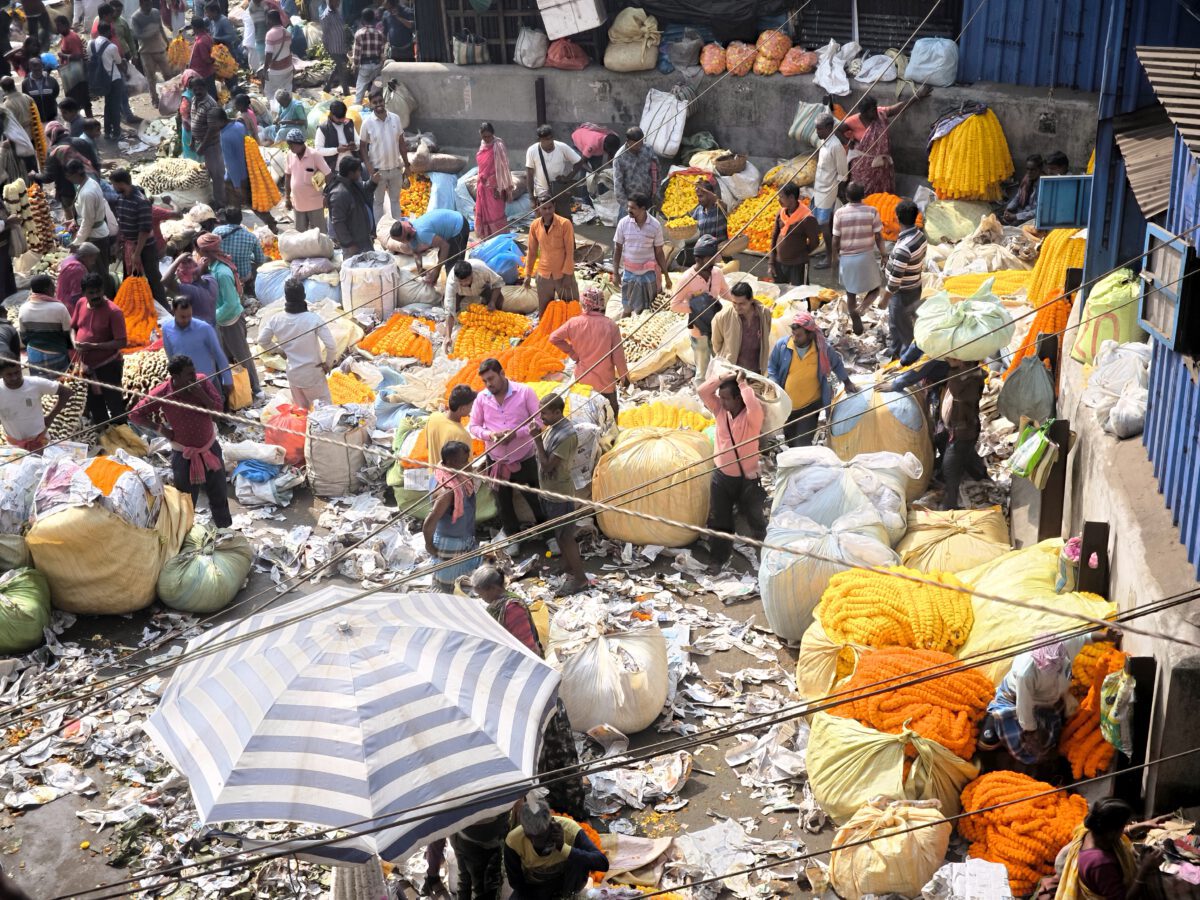
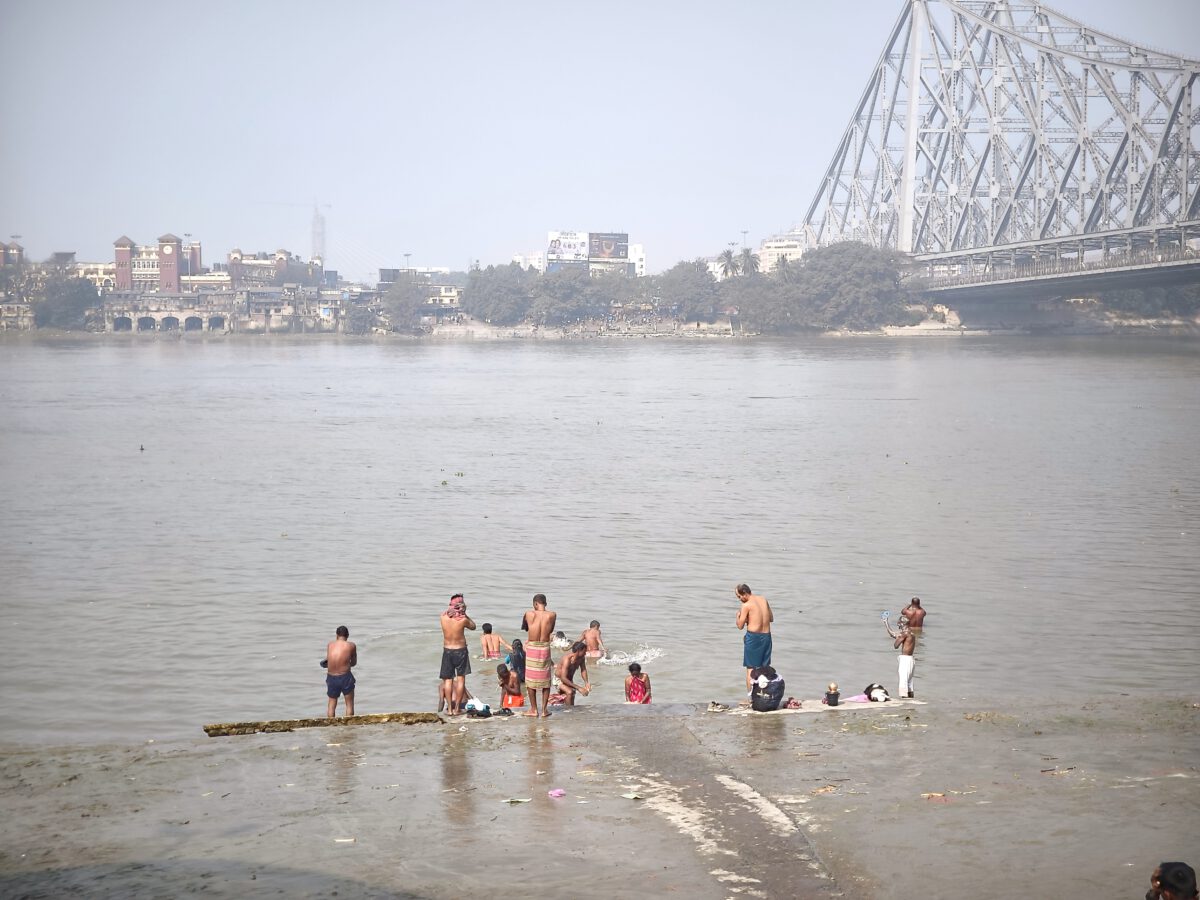
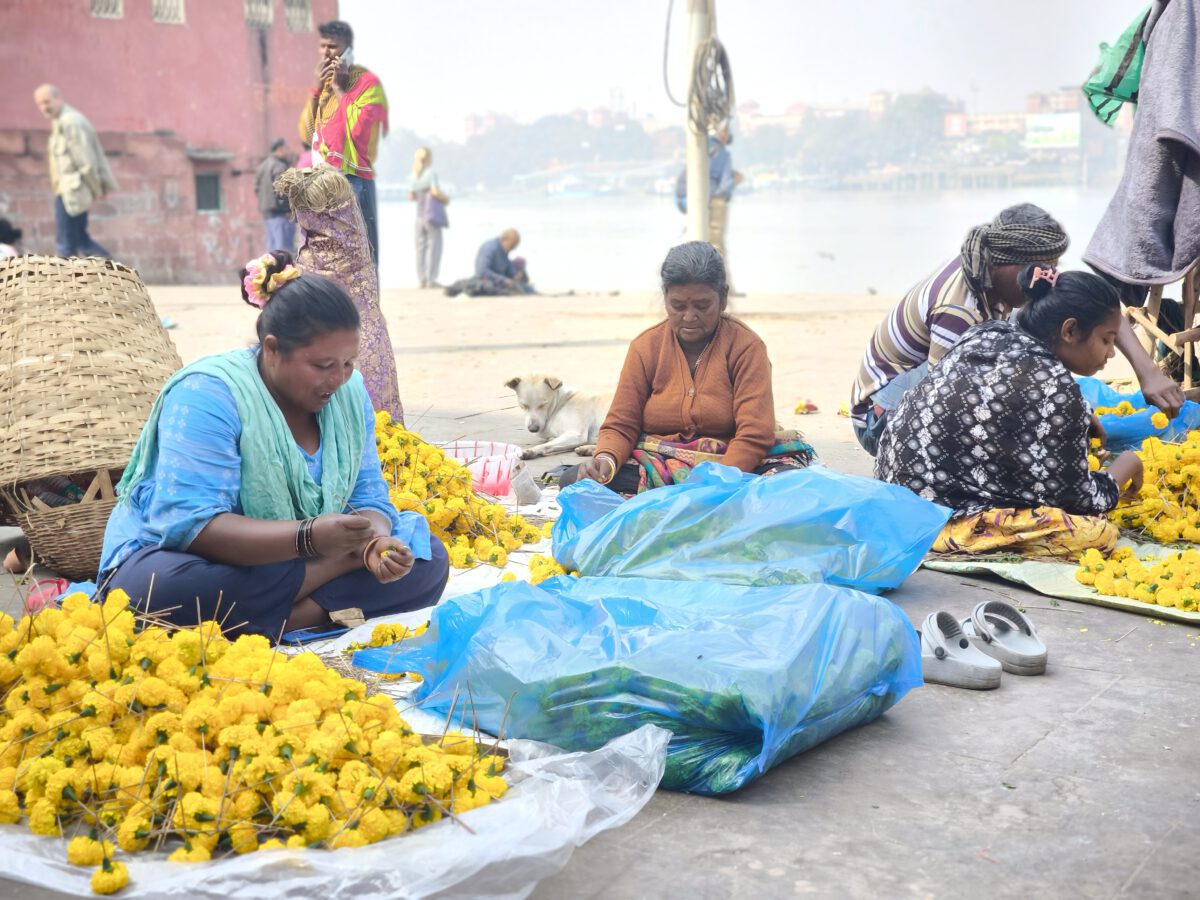
Then a change of scene: the path to the Mullick Ghat flower market leads past palaces that have quickly fallen into disrepair in the hot, humid climate, and which once served as trading posts for the Portuguese, Greeks and Armenians. In between are simple huts and dimly lit street kitchens where the market workers live and eat. Early in the morning, the flower market is an experience for all the senses: an intoxicating scent of tonnes of fresh roses and jasmine hangs in the air. Amidst the chaotic hustle and bustle, traders and buyers call out to one another in Bengali, before carrying large bales of floral garlands along narrow paths. The market has existed since 1855 on the banks of the Hugli River near today’s Howrah Bridge, and from here you also have the best view of one of Asia’s largest flower markets.
The trip took place at the kind invitation of Lernidee Erlebnisreisen.
It can be booked at:
As a train journey on the Deccan Odyssey without a tour operator at:
or:
There is another luxurious special train that has similar routes and prices to the Deccan Odyssey. It is called the Maharajas Express.
Entry and visa:
For India, you must apply for an e-visa; I would do this at least one week before departure. As soon as the confirmation email arrives, download the e-visa with the passport photo to your mobile phone, or print it out, or do both. Plus: Paper entry forms are no longer available, so you must complete a digital entry form (e-Arrival Card). I would also do this before departure.
Travel guide tip:
Hans-Joachim Aubert: India: The North, DuMont Verlag, approx. 27 euros
Photo credit: Petra Kirsch
Comments