
By Ellen Alpsten
City, countryside, river – or the other way round: following in Livingstone’s footsteps, the journey takes us from Victoria Falls to the urban jungle of Cape Town. For the longing begins where Africa ends.
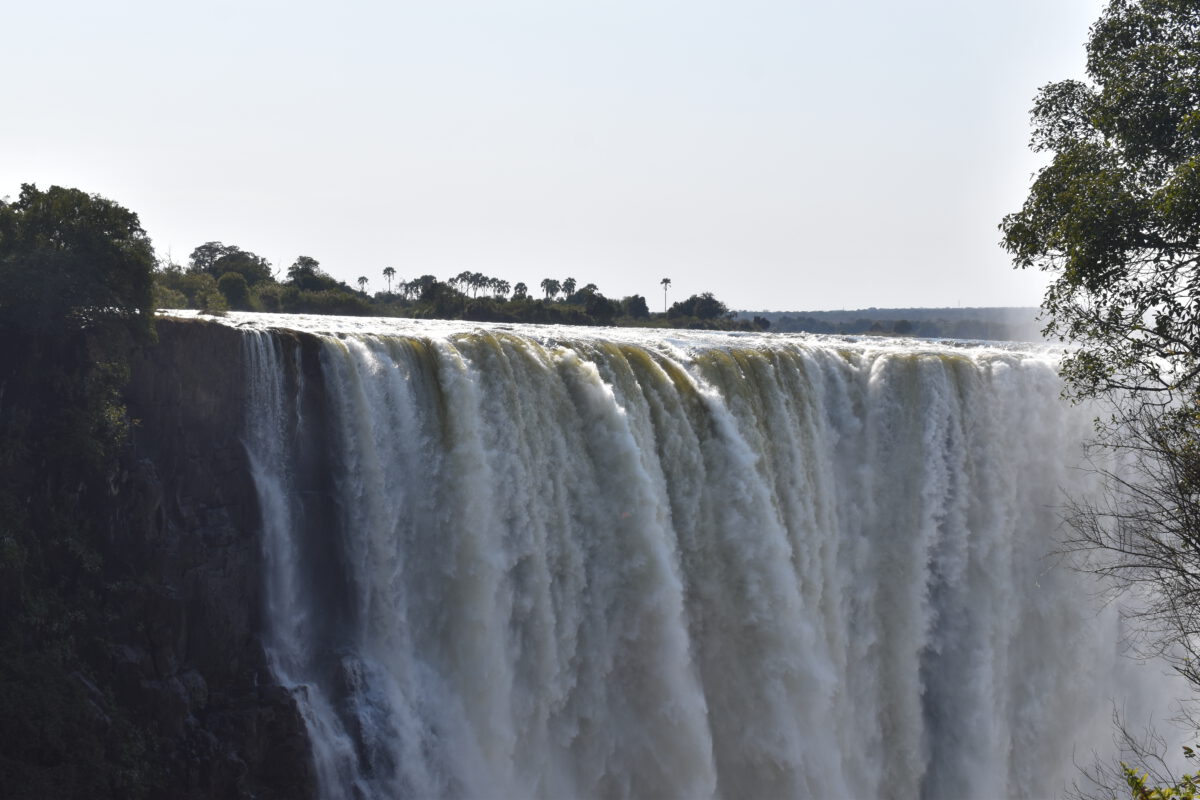
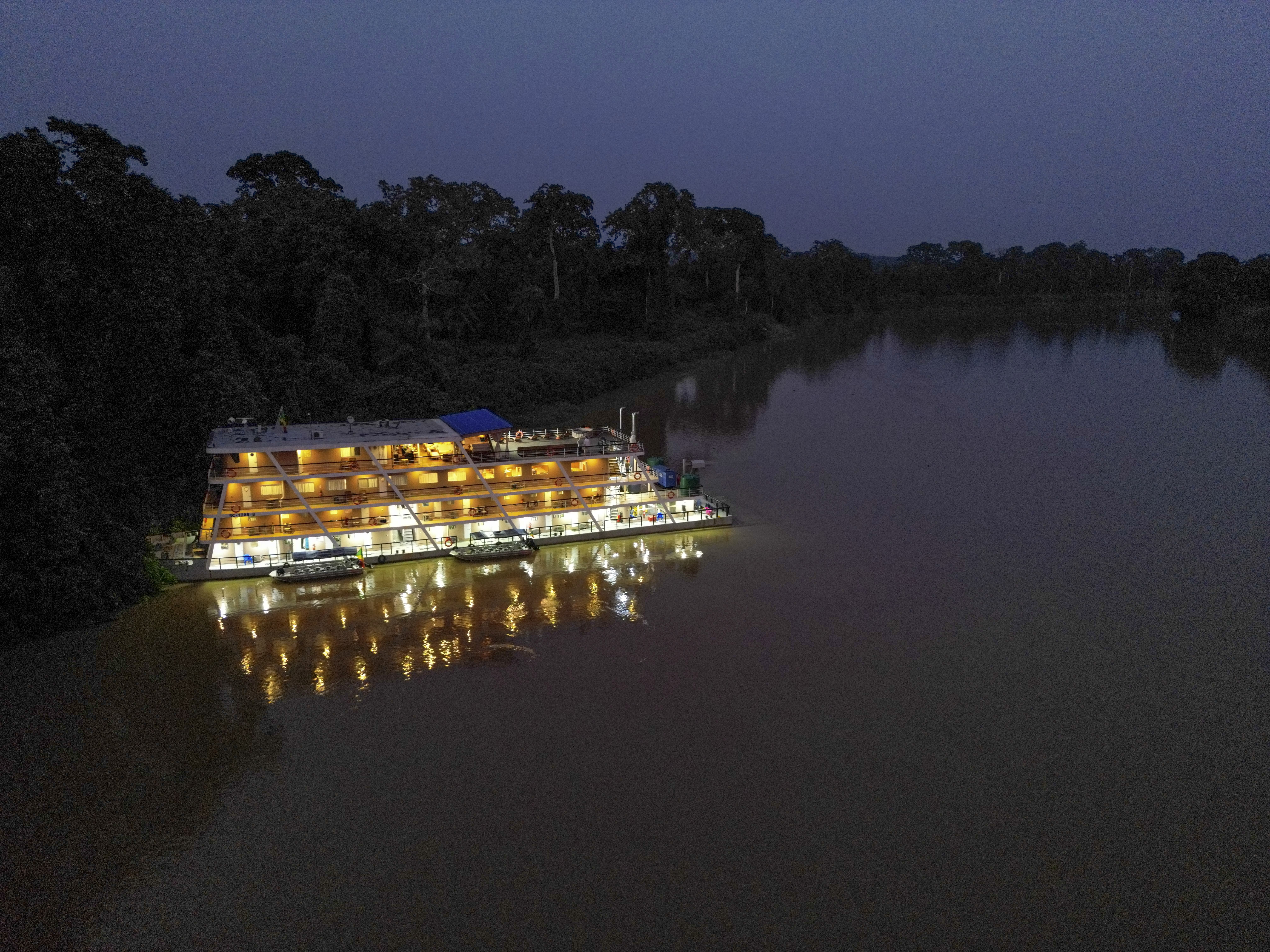
The river is ablaze. The ‘Zambesi River Queen’ turns slowly towards the huge, orange-glowing setting sun – why is the sky in Africa so much wider than anywhere else on Earth? Yet the boat respectfully maintains a distance of hundreds of metres from the ‘smoke that thunders’: Victoria Falls. David Livingstone (1813–1873), the official European discoverer of the falls, was convinced: only angels could have created such a miracle. In 1870, the explorer and missionary’s journey took him from the Cape up to the falls; we, however, set off in the opposite direction. The first sign of what is one of the most astonishing natural spectacles on our planet is a deep, incessant rumble that surrounds you. It rattles like a thousand helicopters, drowns out every word, and the ground vibrates beneath your feet, whilst a huge white cloud rises above the treetops. Just a few steps further on, the forest opens up – and your breath catches in your throat: Almost two kilometres wide, the Zambezi plunges over a basalt cliff into a narrow gorge: every minute, more than five hundred million litres of water thunder into the depths, as they do now following the rainy season. Spray rises over a hundred metres high and rainbows appear in all directions, both vertically and horizontally. Top tip: seal everything watertight, because the water finds its way into everything. And then some. The Zambezi River separates two countries: one bank lies in Zambia, the other in Zimbabwe, where we board the ‘Zambezi River Queen’ for the sunset cruise. Thankfully, nature couldn’t care less about borders: hippos surface with a soft snort. A mighty Nile crocodile lies motionless on a sandbank and seems as old as the continent itself. On the opposite bank, a group of giraffes peeks curiously over the canopy of acacia trees. The Danish writer Karen Blixen (1885–1962, author of Out of Africa, the film Out of Africa) compares their way of moving to that of water lilies. Hovering over everything is that golden light that only Africa knows a few minutes before sunset, softening every contour and slowing the world down. On the drive back through the small town of Victoria Falls, gas lanterns illuminate the colourful curio market, sweetcorn cobs sizzle on charcoal grills and a family of mongooses crosses the road in a dozen or so. Back at the Victoria Falls Safari Club, where we’re staying – the lodge lies in the heart of the national park, high above a waterhole. The staff welcome us with smiles on their faces. Their names? Wonder, Panache and Hope. May it always be so for them.
The next morning, we cross the border into Botswana: Kasane is the gateway to Chobe National Park. At the border, shoes and tyres are disinfected as part of the fight against foot-and-mouth disease, and anyone travelling with children must be able to show their birth certificates. Even along the road, herds of zebras are wagging their tails: they are Botswana’s national animal. Why? In their coats, black and white blend so peacefully in distinct stripes. There’s room for everyone here – but there’s another reason for choosing this animal. After the country gained independence from the British, its First Lady was a white British woman. The first president, Sir Seretse Khama, had long fought for this love, which had its roots in their student days at Oxford – and ultimately won. Chobe Park is vast, and the little planes from Mack Air are already waiting to take us into its legendary wild and unspoilt heart. The planes are small: your knees bump against your chin, and the pilots seem as though they’ve only just left school, yet the flight is enchanting. Far below, the Chobe River winds its way through the landscape – and the sun, standing directly overhead, casts the clouds as dark patches upon the grey-green bush. Other dark patches are also visible: huge herds of elephants moving through the savannah as if floating. Many of them are ‘breeding herds’: adult females look after calves of all ages. Their tranquillity and majesty are unforgettable every time you see them – a sight that always remains a gift from the wonders of nature: unplanned and unpredictable. Nowhere is it clearer why this country has made the protection of its vast wilderness its most important task.
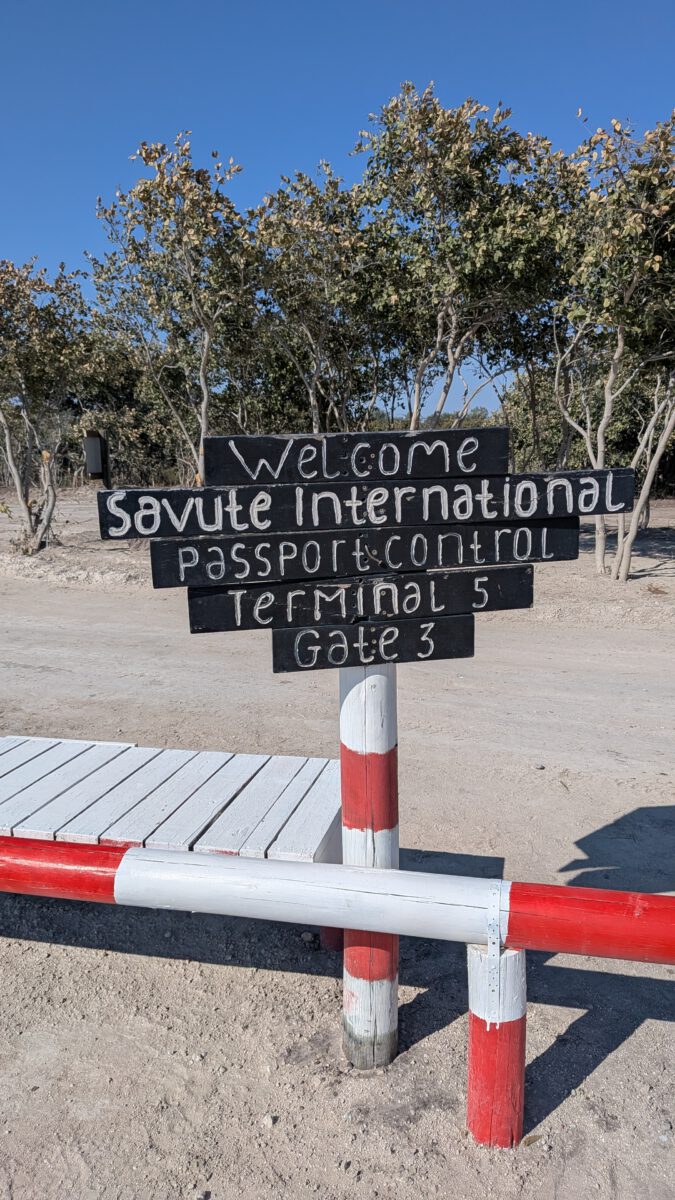
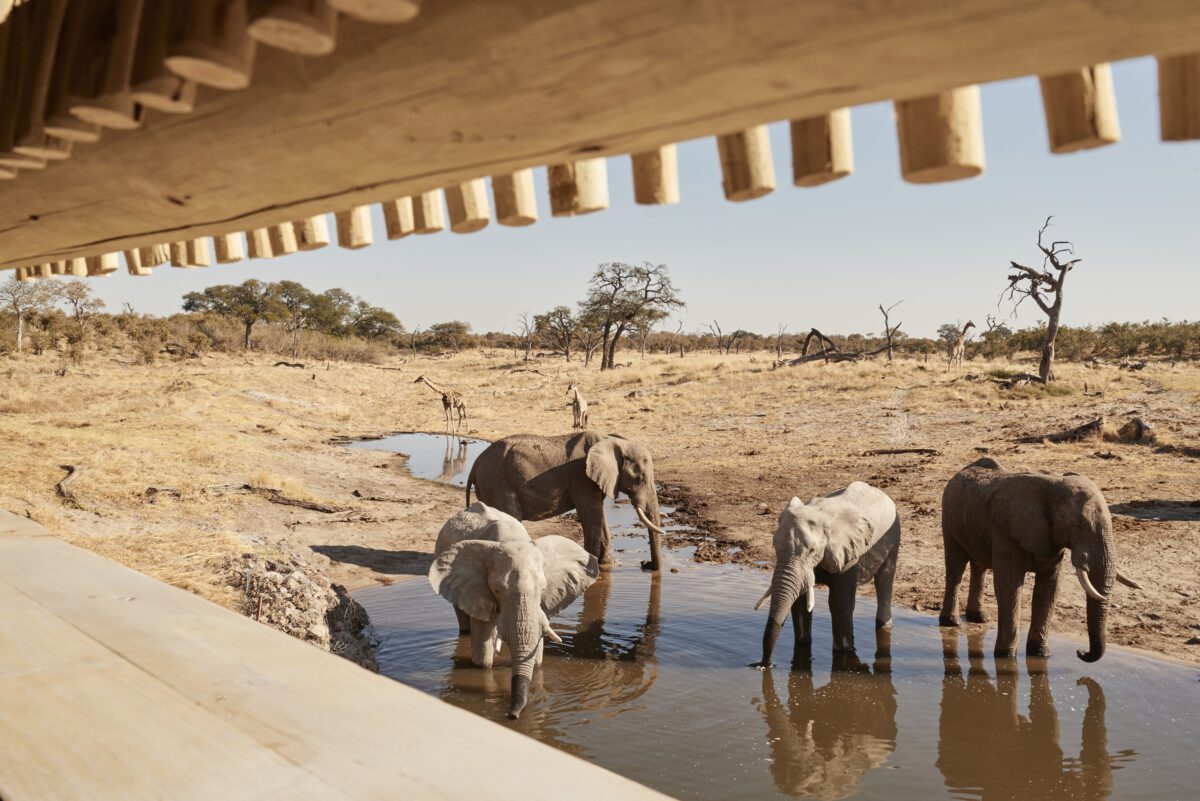
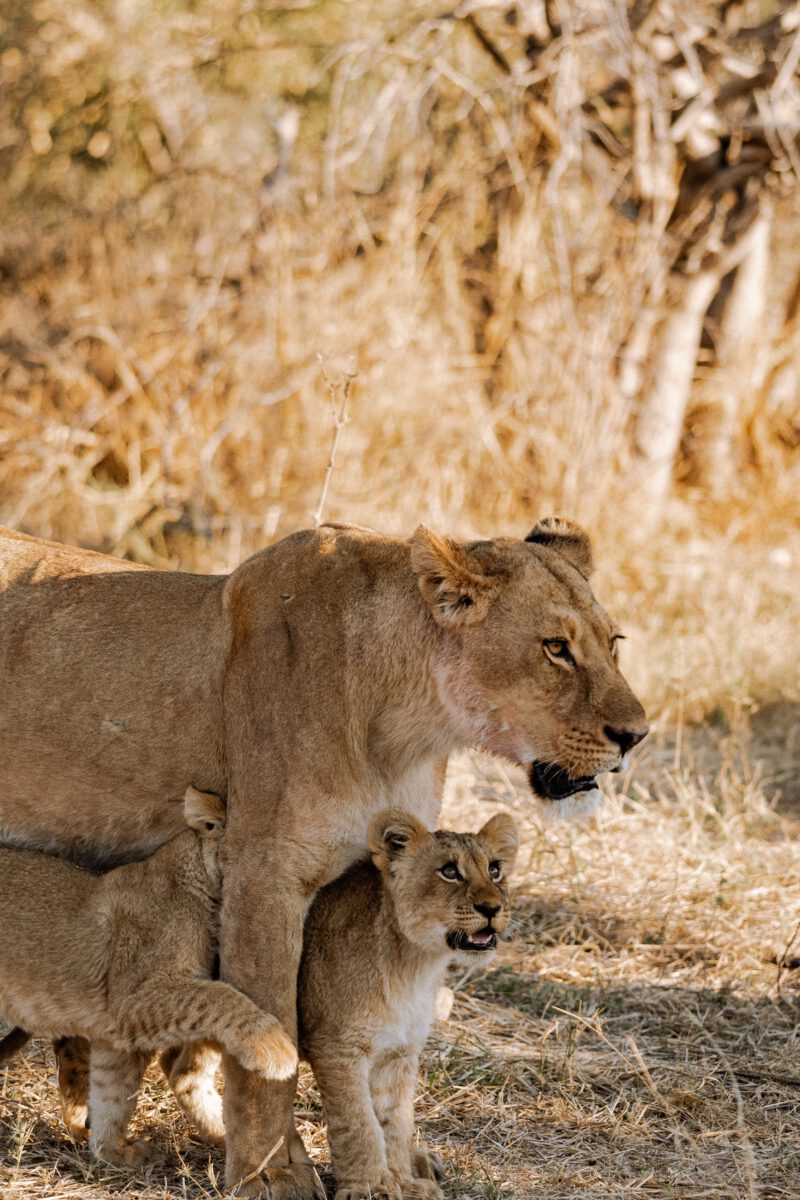
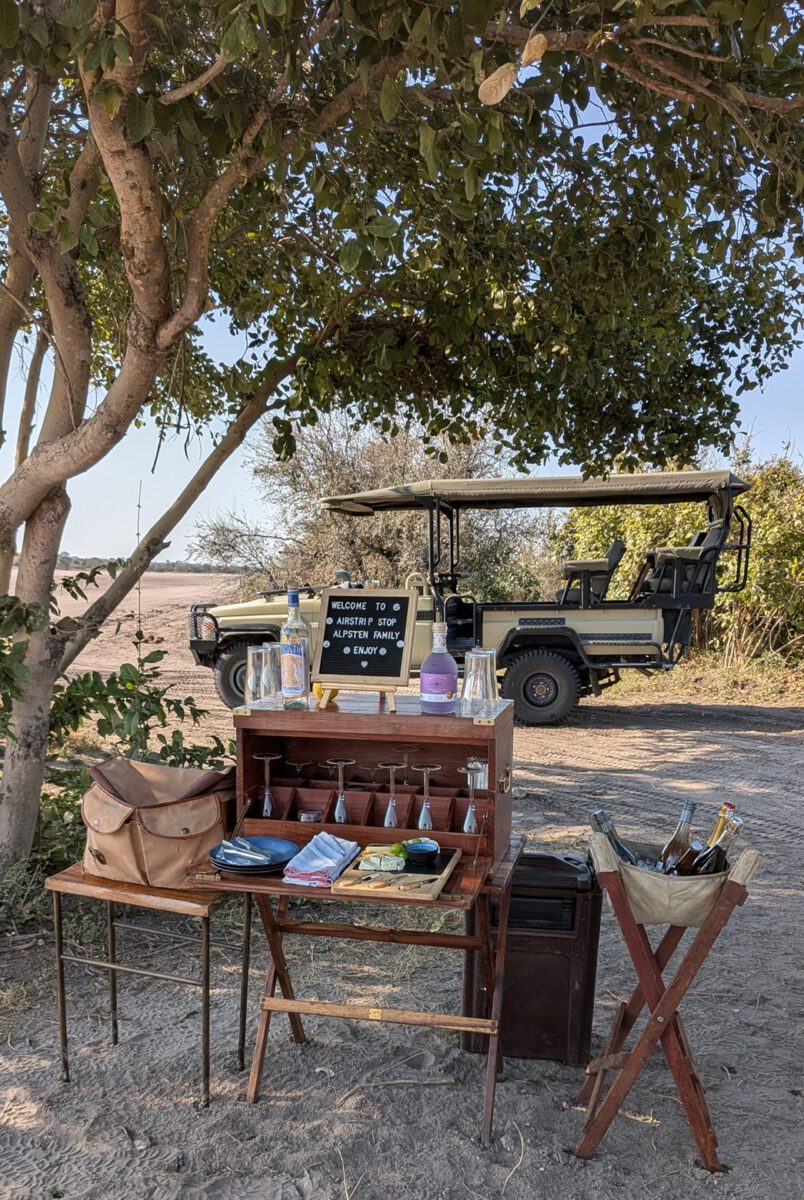
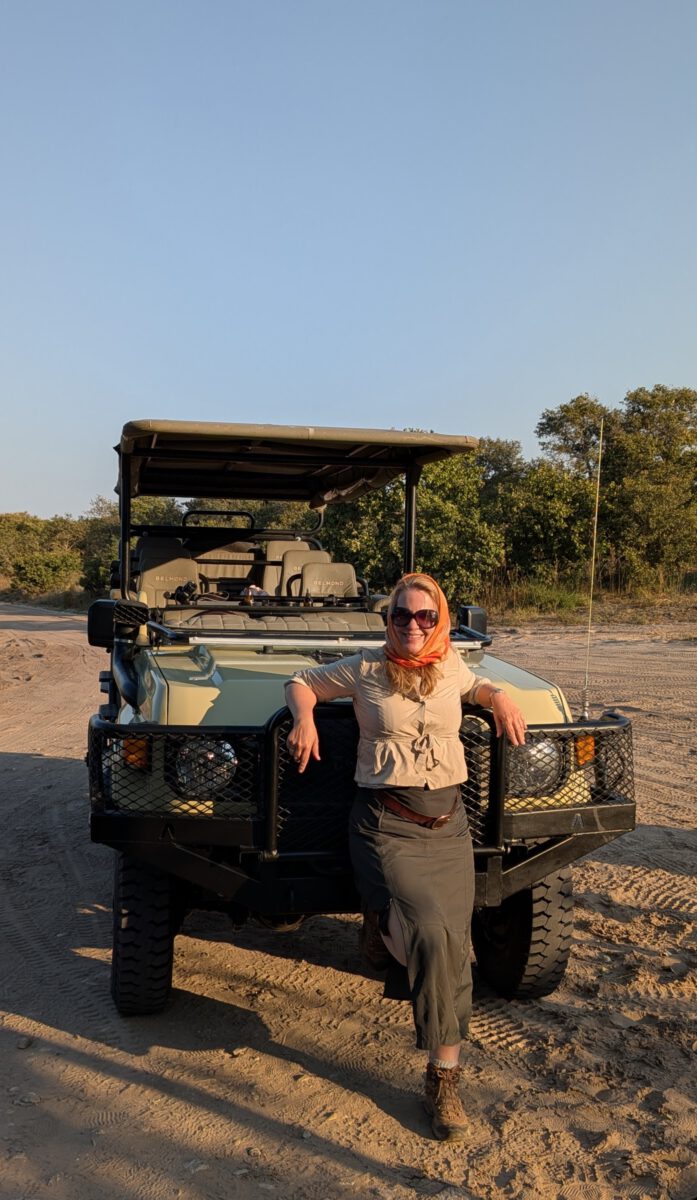
Set in the heart of this landscape lies the ‘Belmond Savute Elephant Lodge’, which perfectly embodies Botswana’s philosophy of small-scale, high-quality tourism. The Savute airstrip is a narrow strip of runway; a faded, hand-painted sign points towards the passport control point in the bush. Our guide, Kenny, welcomes us with an aperitif by the open-top Land Rover: the culinary delights of the safari are an unforgettable experience and a luxury of a different kind. Every grain of rice has to be flown in, and every little corner of civilisation in the heart of the wilderness is a privilege: from the evening gourmet dinner high above the waterhole, where the elephants come to drink and bathe, to the hot safari shower later on, outdoors and under the stars. But be careful – always look up: leopards like to lurk in trees. Yet Savute tells an even older story: on smooth, polished granite rocks, there are rock paintings dating back millennia. Whose hand painted them? The artist is unknown to us today – or perhaps not: the ancestors of the San Bushmen, it is thought. The tribe, which now settles in Namibia and the south of the country, may have lived here in the north back then. If so, then the rock paintings are reminiscent of a San Bush school. Giraffes, eland antelopes, hunting scenes and mysterious geometric symbols tell of the life of the San, one of the oldest cultures on Earth still in existence today. For them, animals were prey, but also part of a spiritual world in which humankind and nature are interwoven. Not far from there stand ancient baobabs: Their semicircle forms a mysterious grove, their massive trunks reminiscent of sculptures. They store over a hundred thousand litres of water and were already providing shade here when the Dark Ages reigned in Europe. Despite its many medicinal and cosmetic qualities, the ‘Tree of Life’ in Botswana is strictly protected, from bark to leaf, from root to crown. After tea in the shade of the trees – the ‘table’ by the Land Cruiser’s radiator is laid with white linen and the steaming drink served from silver jugs – we head back to the lodge: a pack of rare, endangered wild dogs trots alongside the car before grumpily giving way to a lioness with her two cubs. A cheetah has caught an impala (antelope). Now, with a distended belly and laboured breathing, it is digesting its meal in the shade of a thorn bush. A solitary buffalo stands half-hidden amongst the red rocks of Leopard Mountain – it’s best to keep your distance. Buffalo are born in a bad mood.
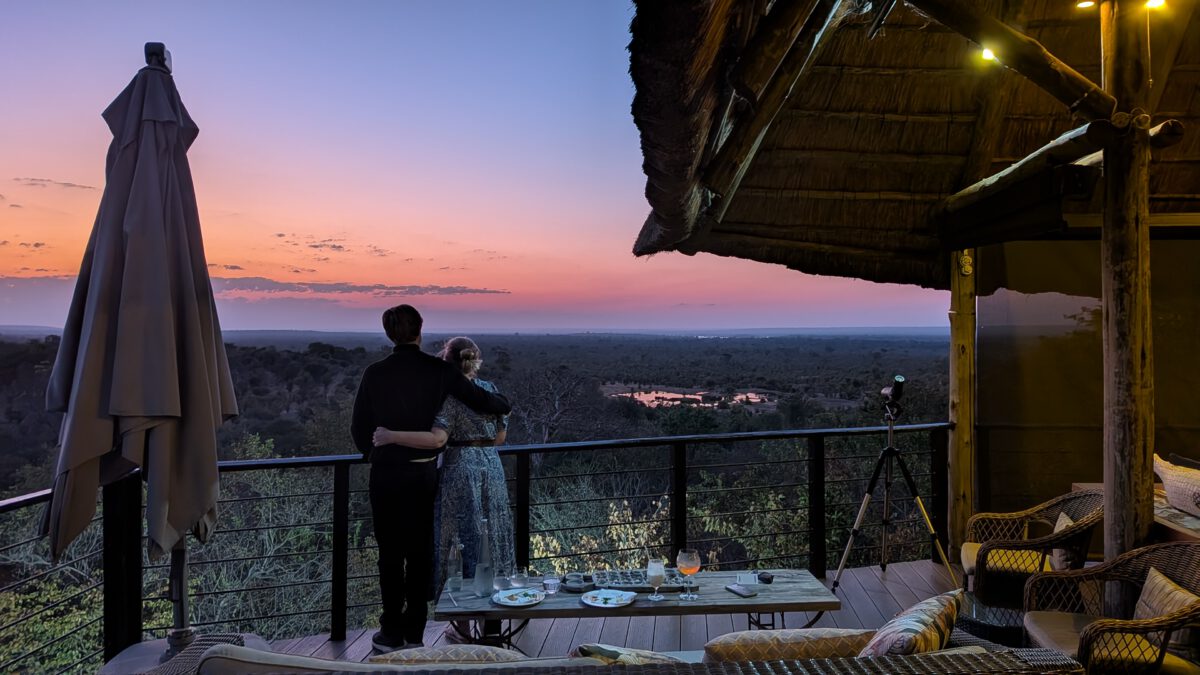
The day draws to a close, and the blue night falls. Here, Venus is known as ‘the star that calls us to dinner’. As we dine on the terrace of the Belmond Lodge beneath the velvety African night sky, deep below us a male antelope tries to keep order amongst his herd of some 30 females.
To no avail.
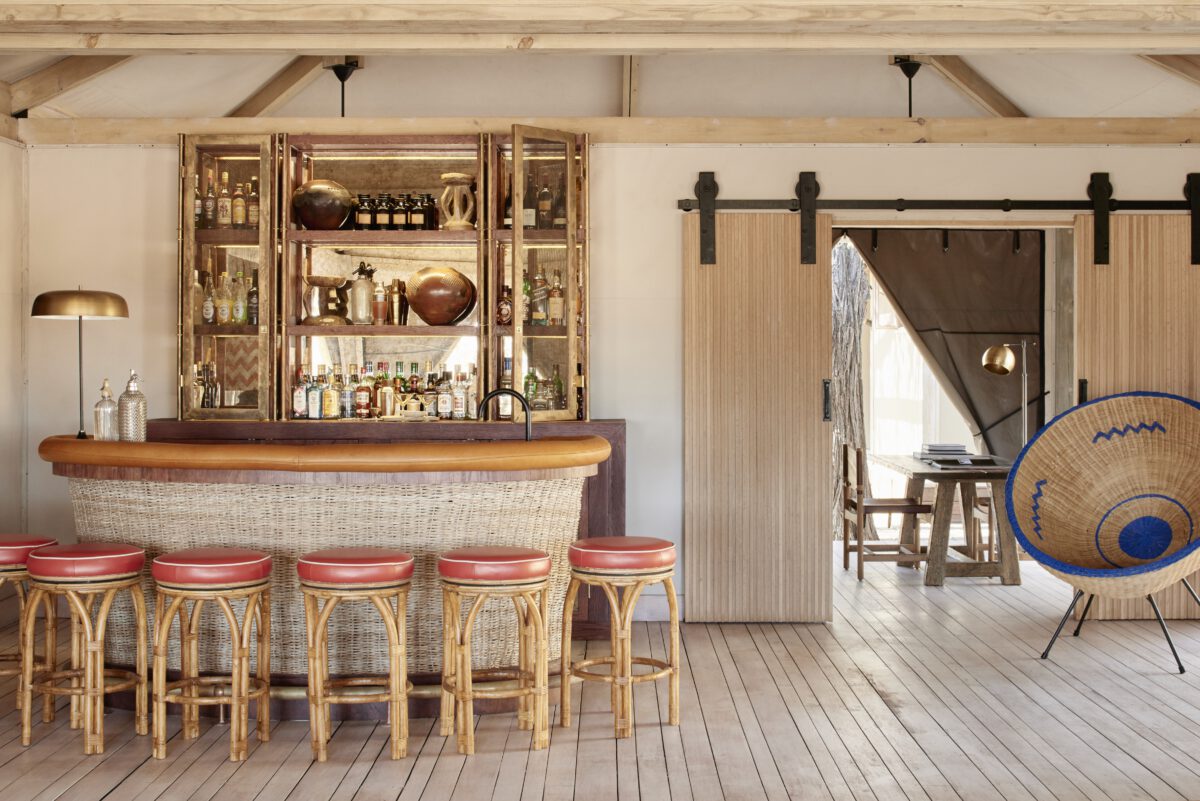
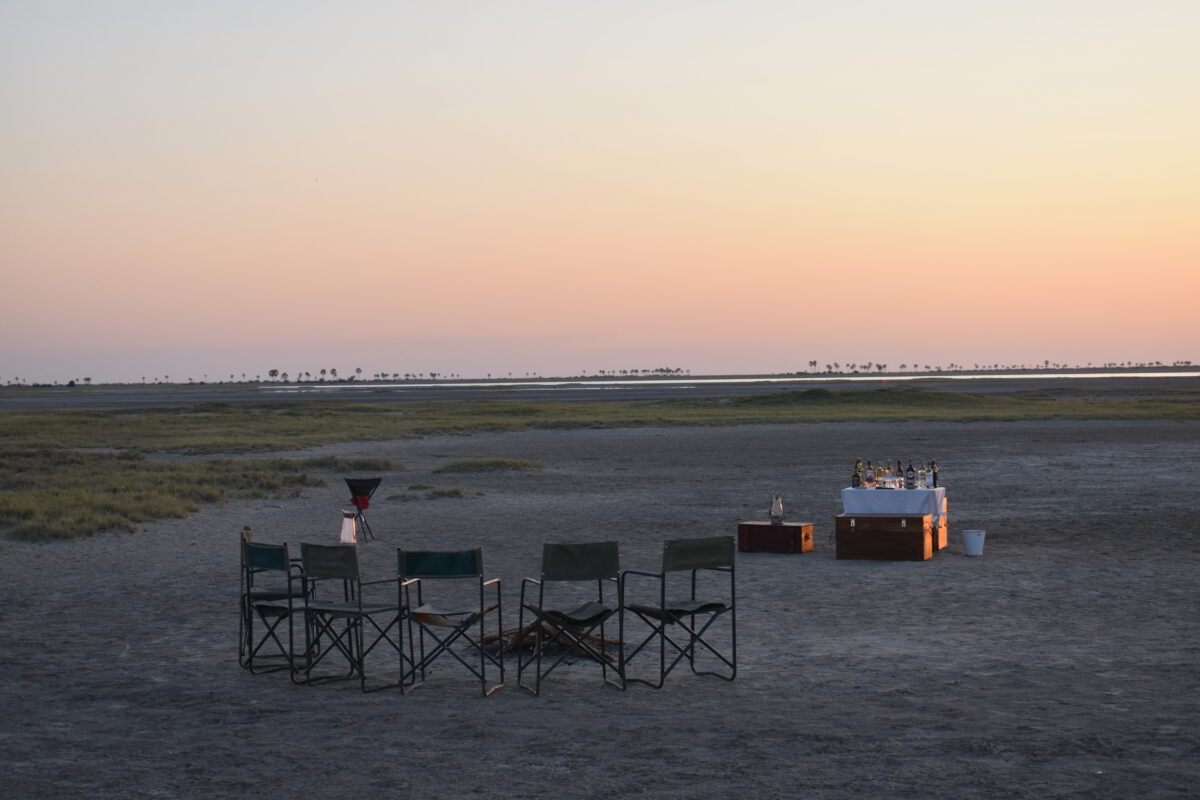
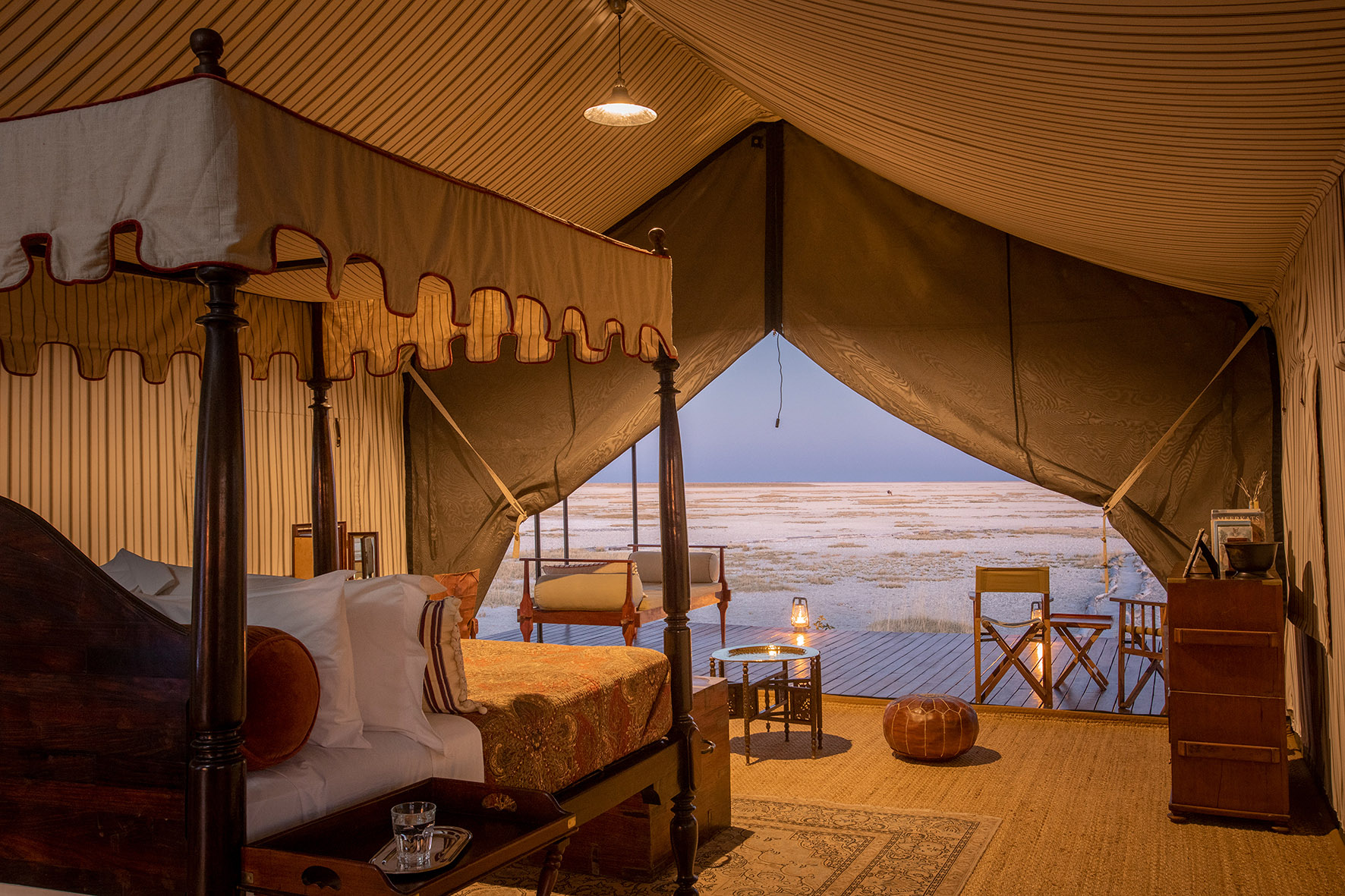
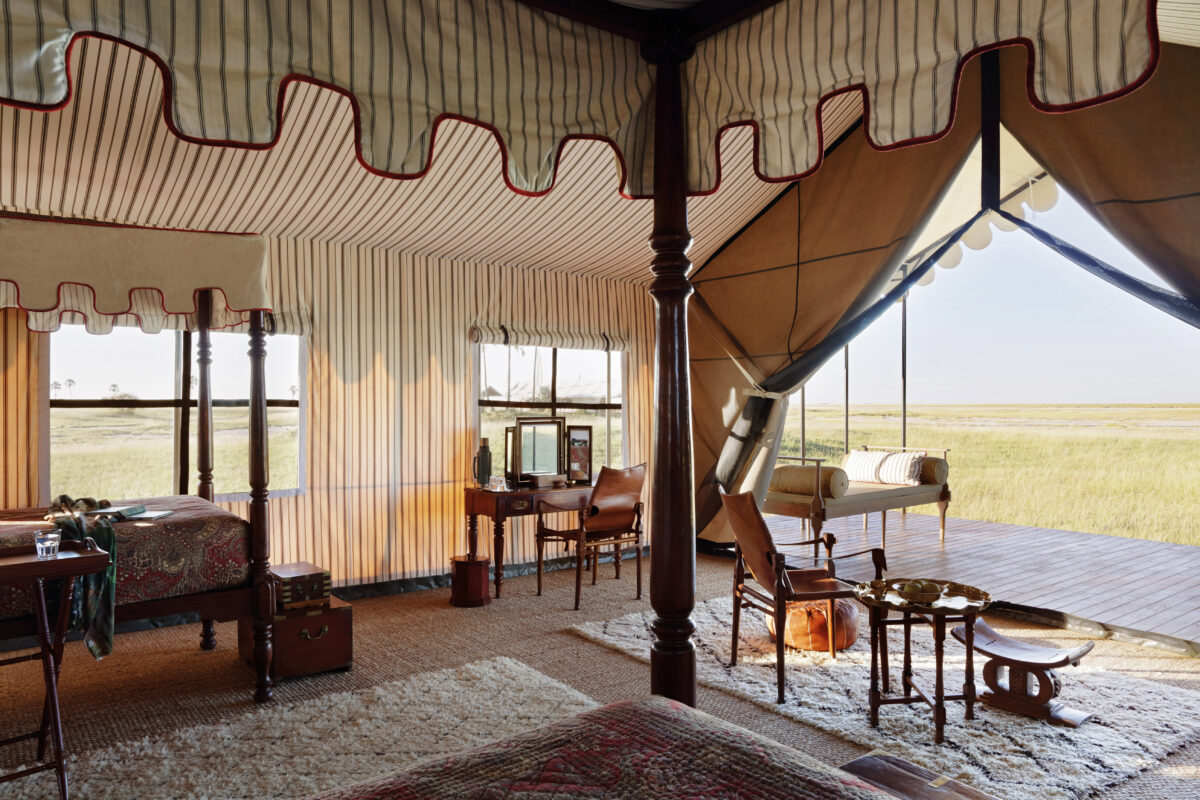
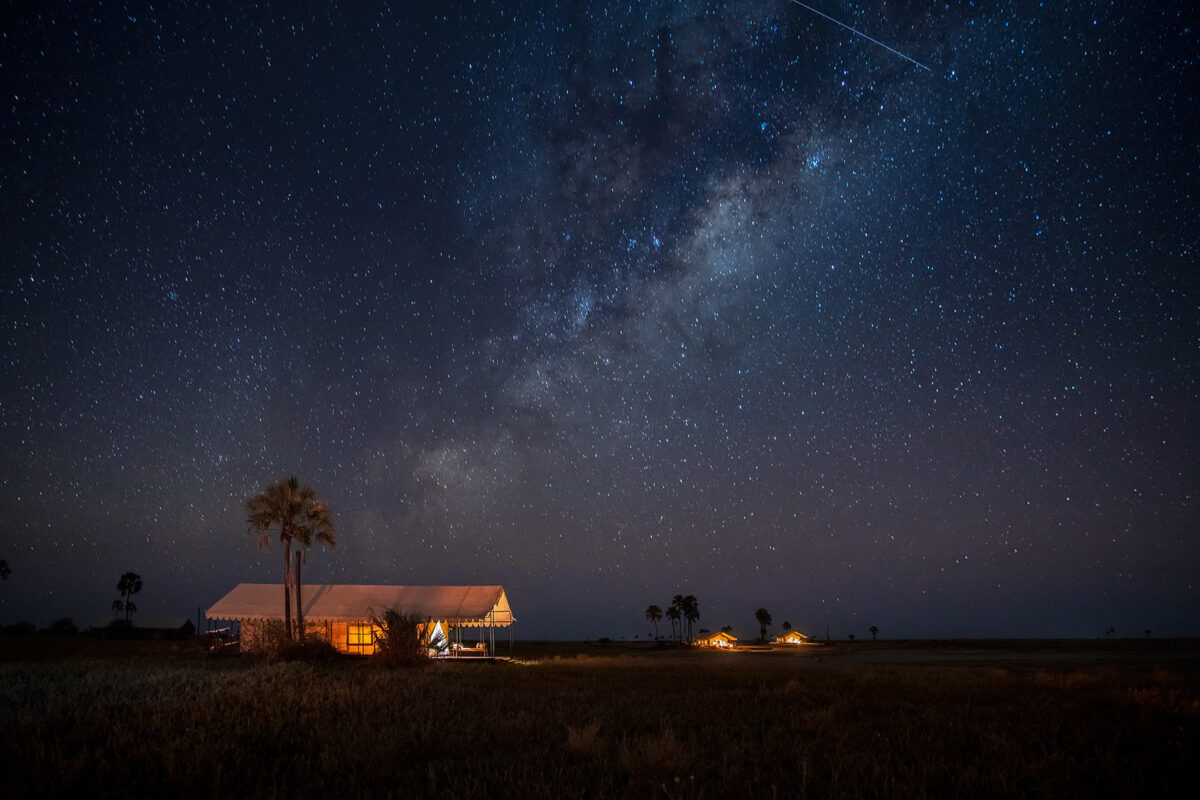
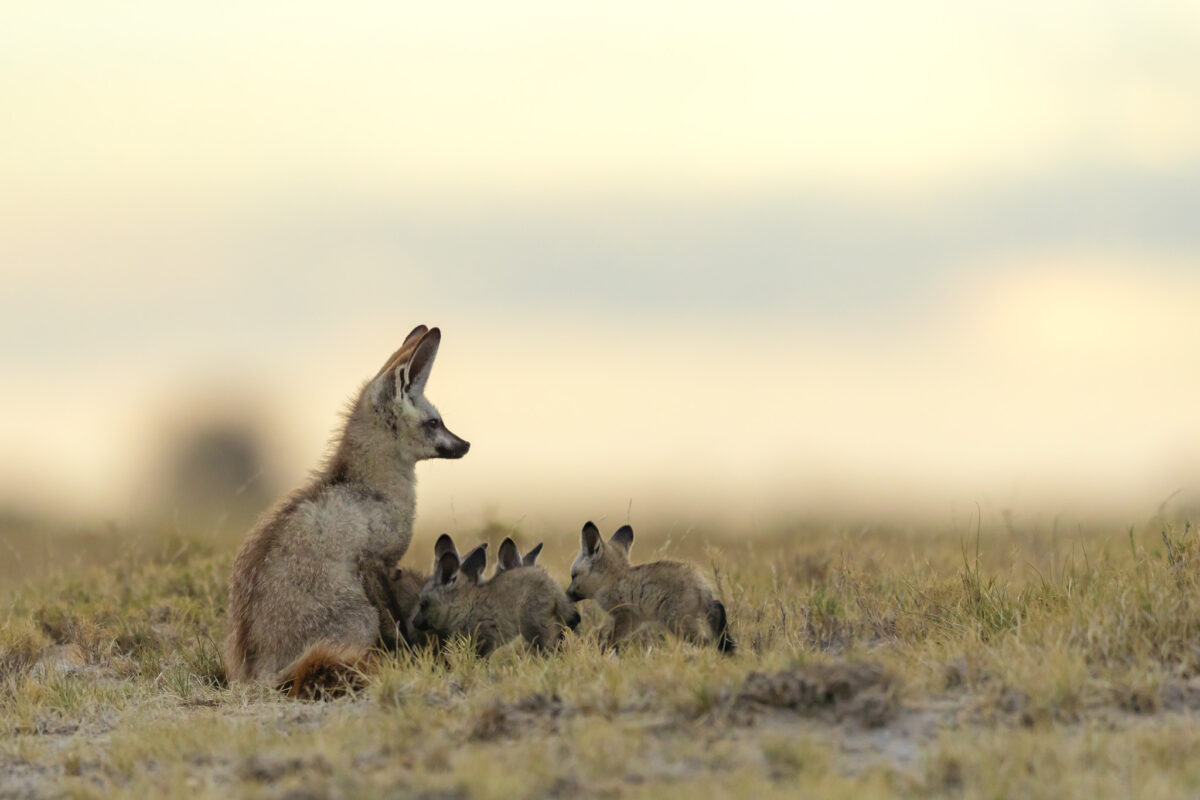
Beyond the labyrinth of the bush lies the endless expanse of the Makgadikgadi Salt Pans in the north-east of the Kalahari – one of Africa’s most extraordinary landscapes. A final wave to Kenny, the best of all the guides in Chobe, and then the MackAir plane soars high into the sky. Far below us, the landscape changes. The greenery gives way. Bushes become scarcer. Sand takes over – but is it sand? For ultimately, all the eye can see is pure, vast whiteness. Tens of thousands of years ago, a vast inland lake the size of modern-day Switzerland covered this land. When the water receded, it left behind a shimmering salt flat that defies any notion of vastness. Upon arrival here, the silence takes on a physical presence; the wind etches patterns into the salt crust; the sun is relentless: the horizon shimmers in the heat, and sky and earth merge. In the midst of this vast nothingness lies a mirage: the elegant ‘San Camp’. Its tents and their furnishings are reminiscent of the expeditions of the great African explorers – the owners drew inspiration from the colonial classic style of East Africa. White tent walls, polished brass, dark leather and colourful, faded Persian rugs. Yet the luxury does not seem excessive, but rather a natural part of this world. Never has ‘Gin o’Clock’ (a drink at sunset) been more welcome: guests help themselves at the bar and mingle in a colourful mix – doctors from the USA, marine biologists from Italy, a fashion model from New York on her honeymoon.
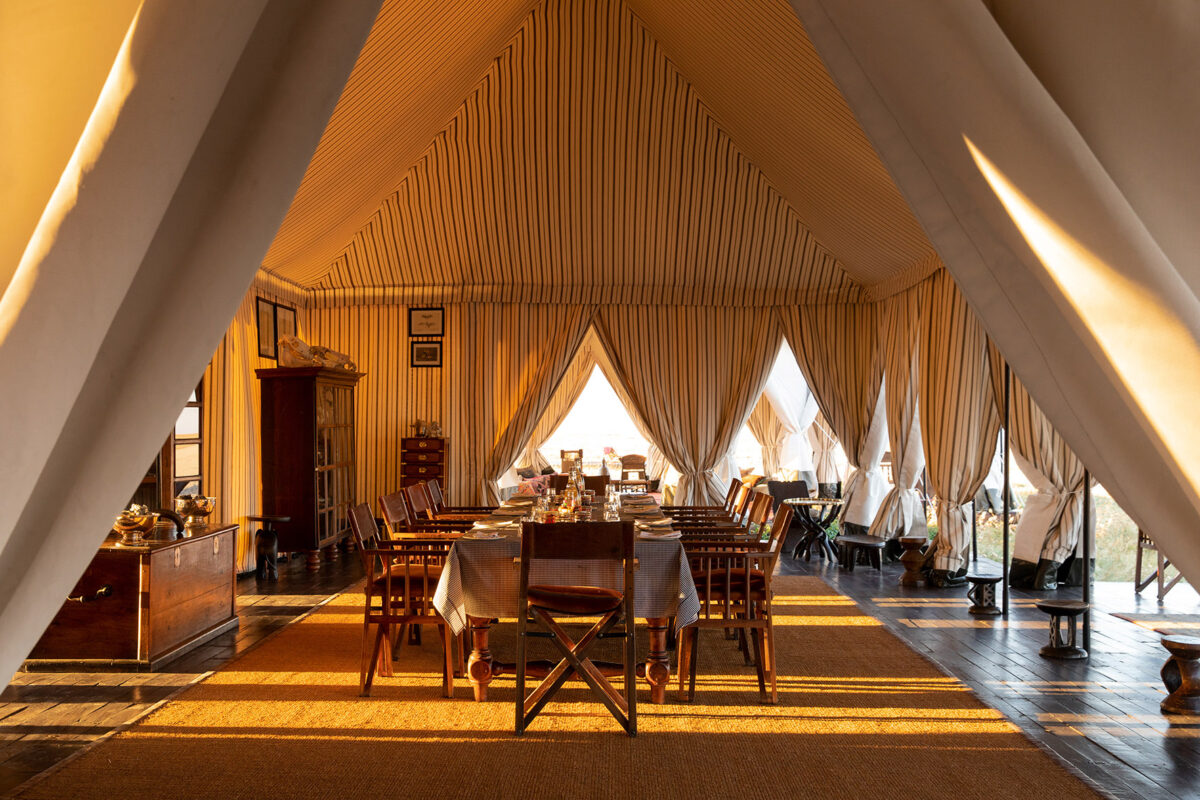
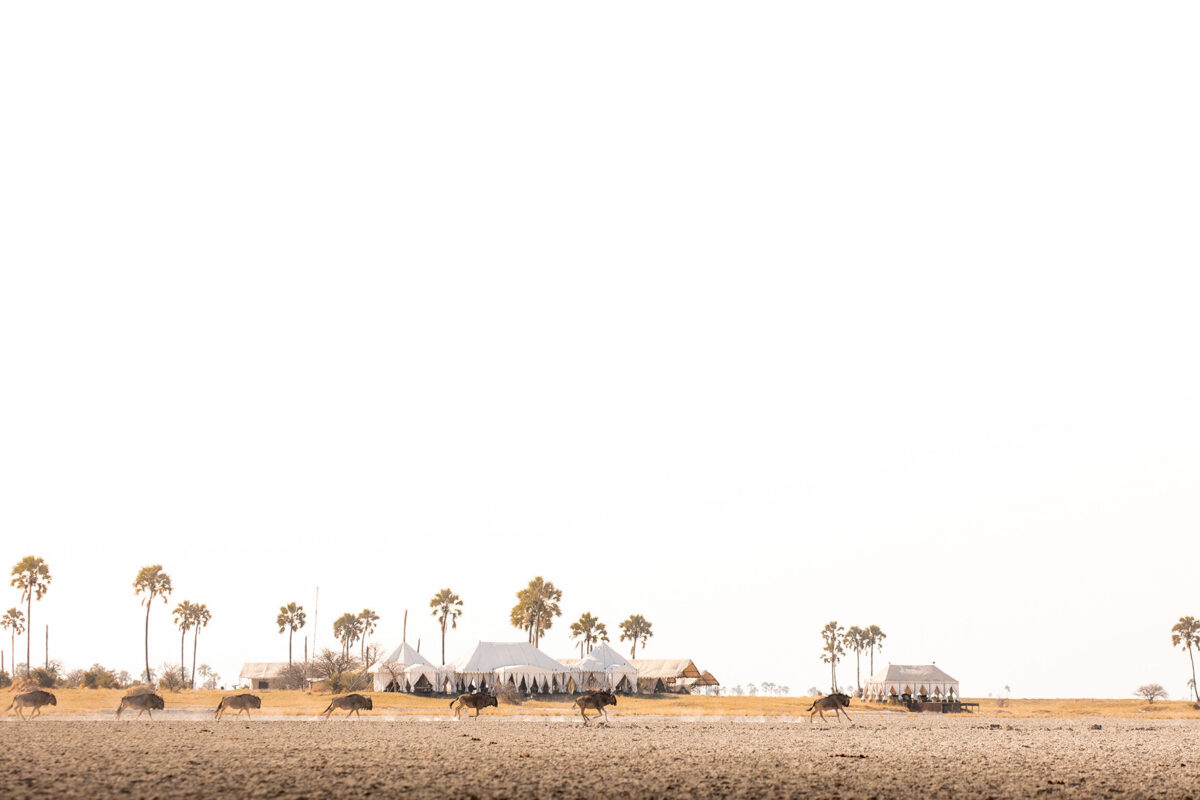
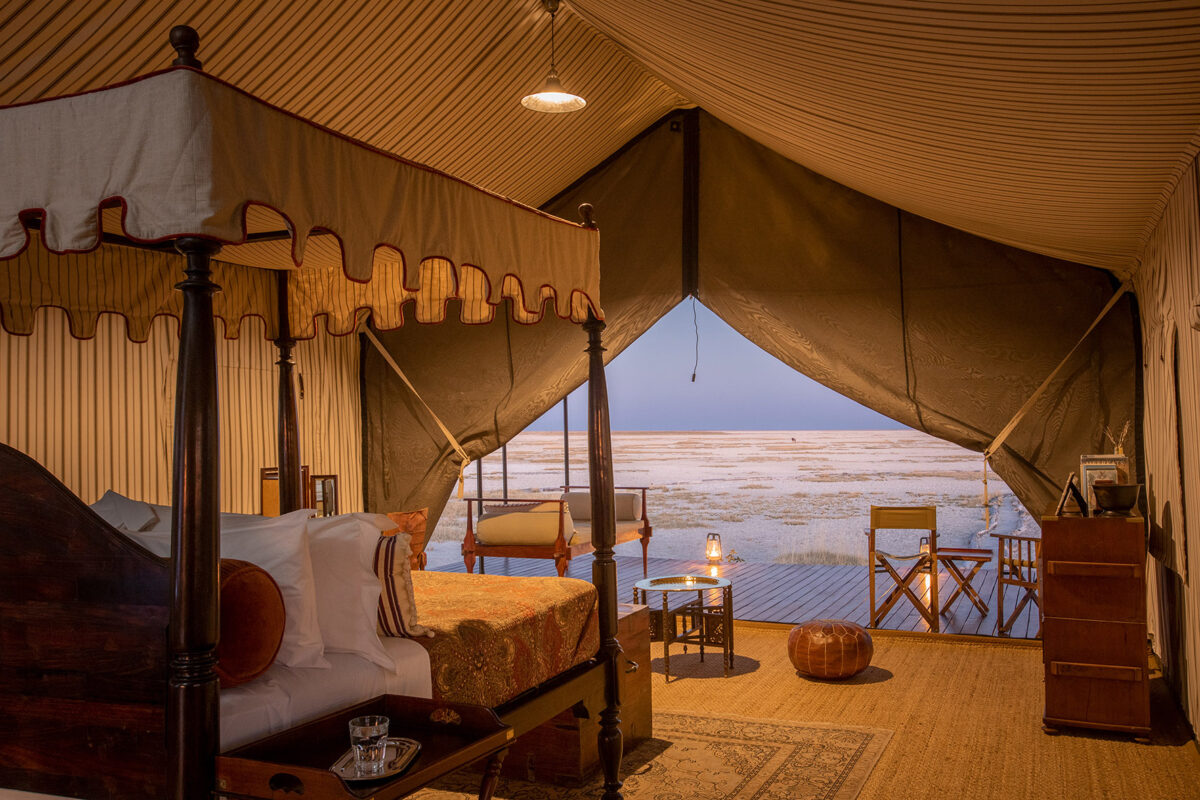
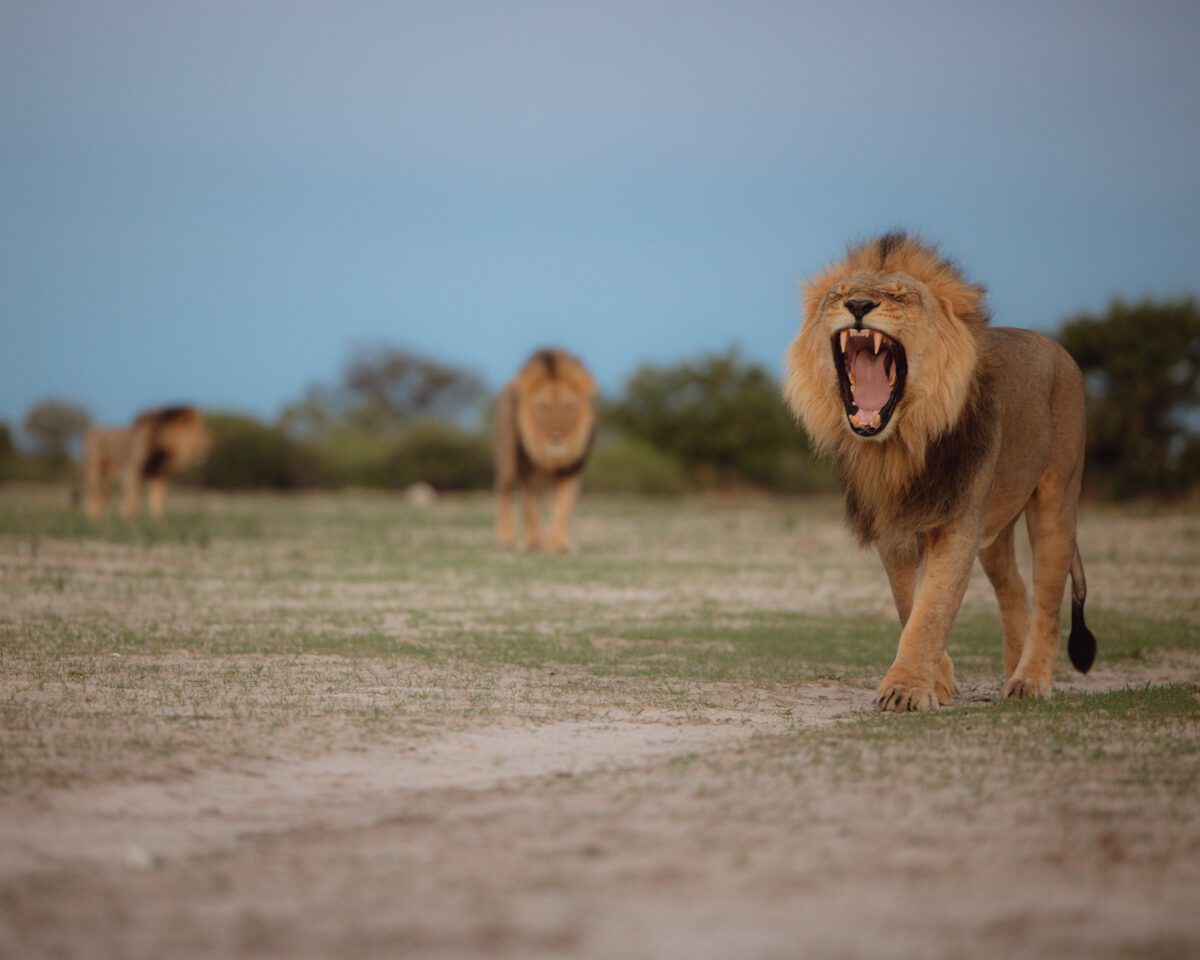
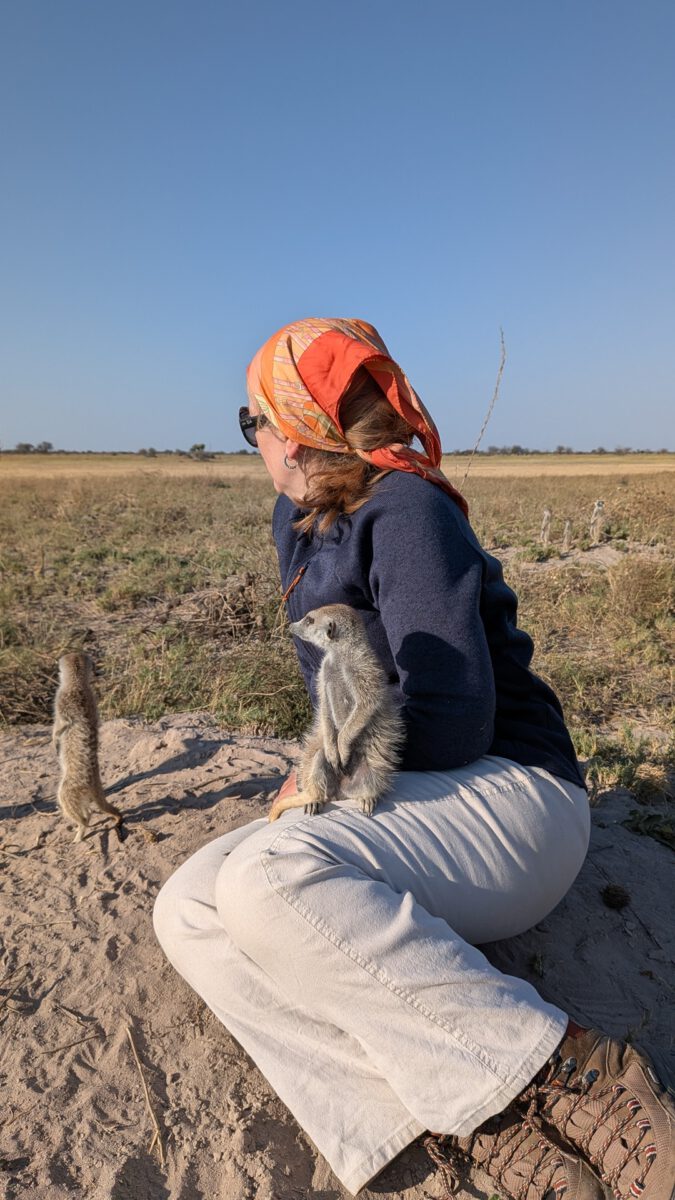
The next morning, we plan to leave the camp whilst it’s still dark, but there’s utter chaos on the tent’s porch. A whole pride of lions is making itself at home there – eight or nine of them. The tent is zipped up tight, but it takes your breath away: heard up close like this, their growling is hair-raising. The lion king has taken up position on the Swahili sofa, his mane thick and black. Meanwhile, three cubs are tearing the sisal rug on the steps to shreds before wrestling in the dust with fibres clinging to their paws. Several lionesses are playing with the velvet cushions, yanking the tassels off in one go. Thank goodness there’s a back exit where the jeep is waiting! Once the cold sweat has dried, the adventure becomes truly magnificent. To ward off the morning chill, we’re wrapped in warm ponchos and the hot water bottle on our stomachs is very welcome. Huge herds of wildebeest are crossing the salt pans. They greet the first light with a chorus of bleats: please listen carefully. These memories make you happy in winter, back in the office. The day begins as we arrive at a quiet, vast field. Its surface resembles Swiss cheese, so densely is it dotted with holes. “They’ll be here any moment,” murmurs the guide. They: a colony of meerkats! There, and there, and over there too, and simply everywhere! Curious, they draw ever closer, rearing up on their hind legs, their eyes wide awake. Suddenly, one jumps onto a rock right next to us, before our knees – or shoulders – are chosen as a better vantage point. A magical moment in which the distance between humans and animals vanishes. Time for breakfast in the wilderness, enjoyed once again by the Land Cruiser: fresh, warm pastries, hard-boiled eggs, yoghurt, fruit and hot chocolate alongside tea and coffee.
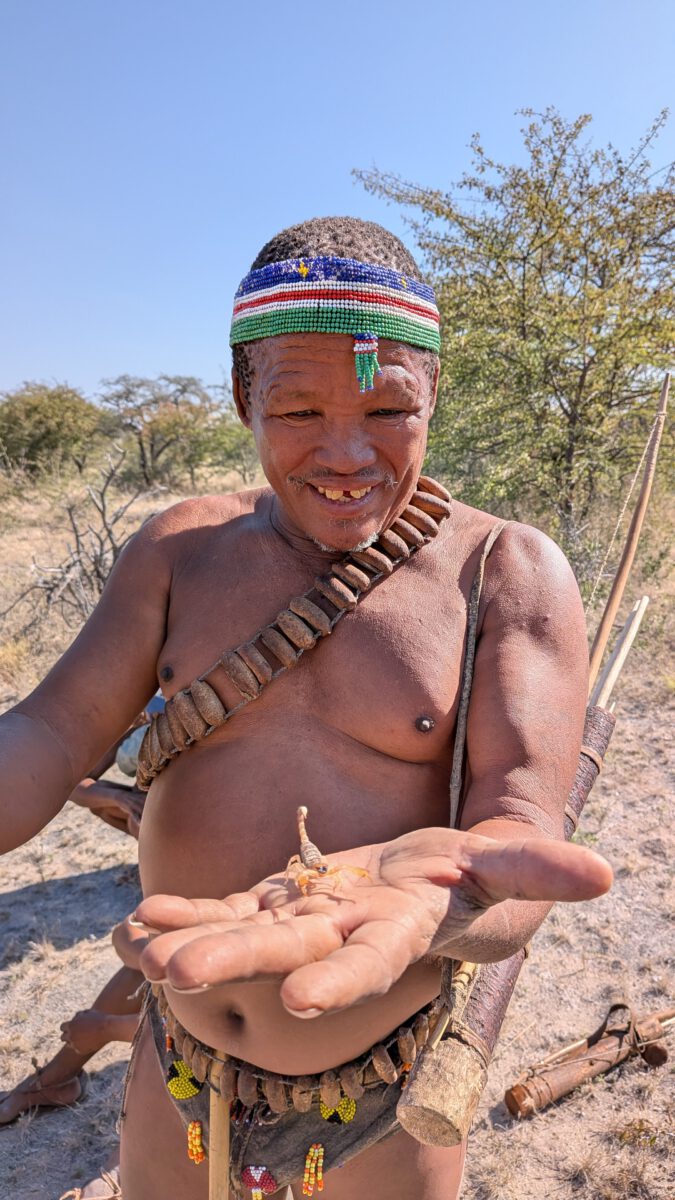
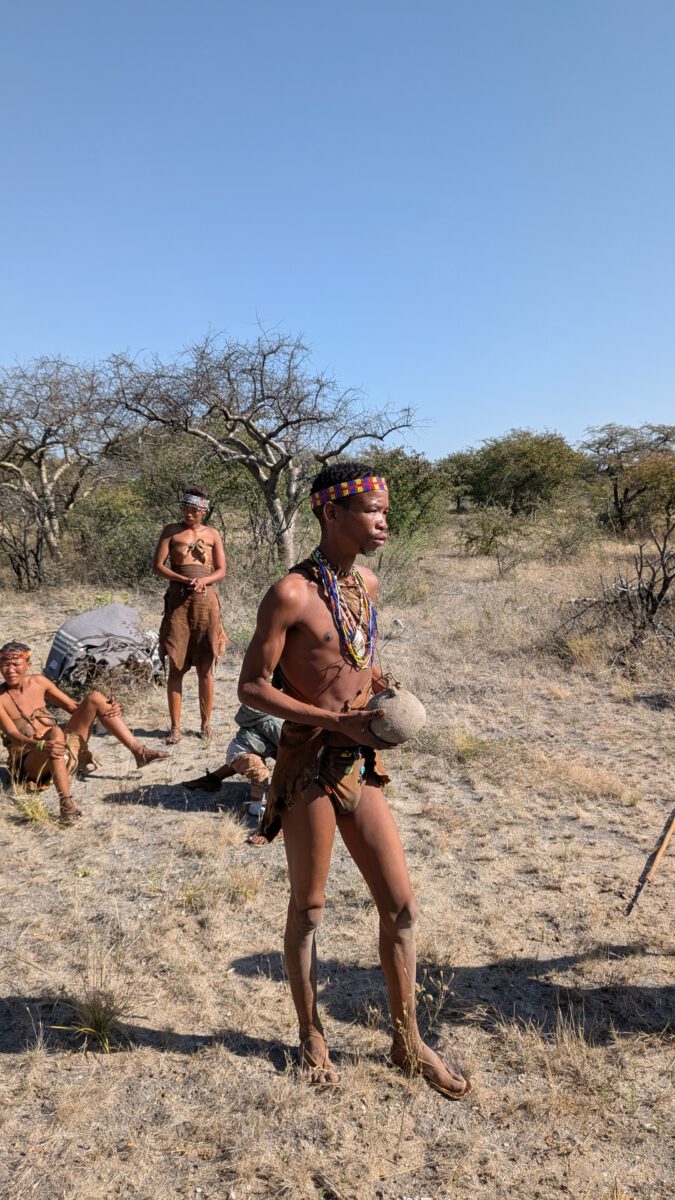
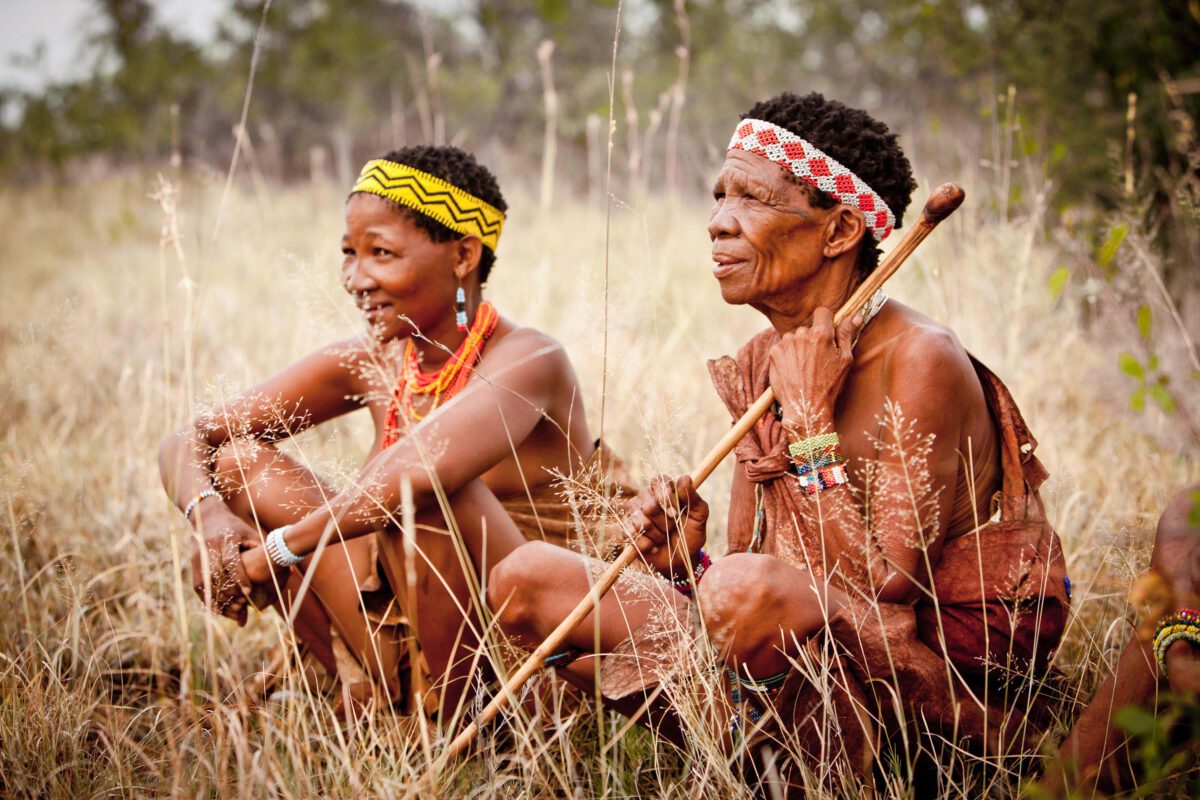
The salt pans are still home to the ancient San Bushmen tribe. An encounter with the people of the Kalahari is unforgettable. Their click language is one of the oldest in the world, and their knowledge of medicinal plants, waterholes and animal tracks is based on millennia of lived experience. Where we see only sand and emptiness, they recognise traces and signs of life: snakes, antelopes or the balloon-like root of a plant, whose moisture can quench their thirst. It is the oldest way of interpreting our world. Their appearance is also distinctive: the eyelid fold, the light, cappuccino-coloured skin and the round head. In South Africa, the San call themselves Xhosa – Nelson Mandela was one of their princes.
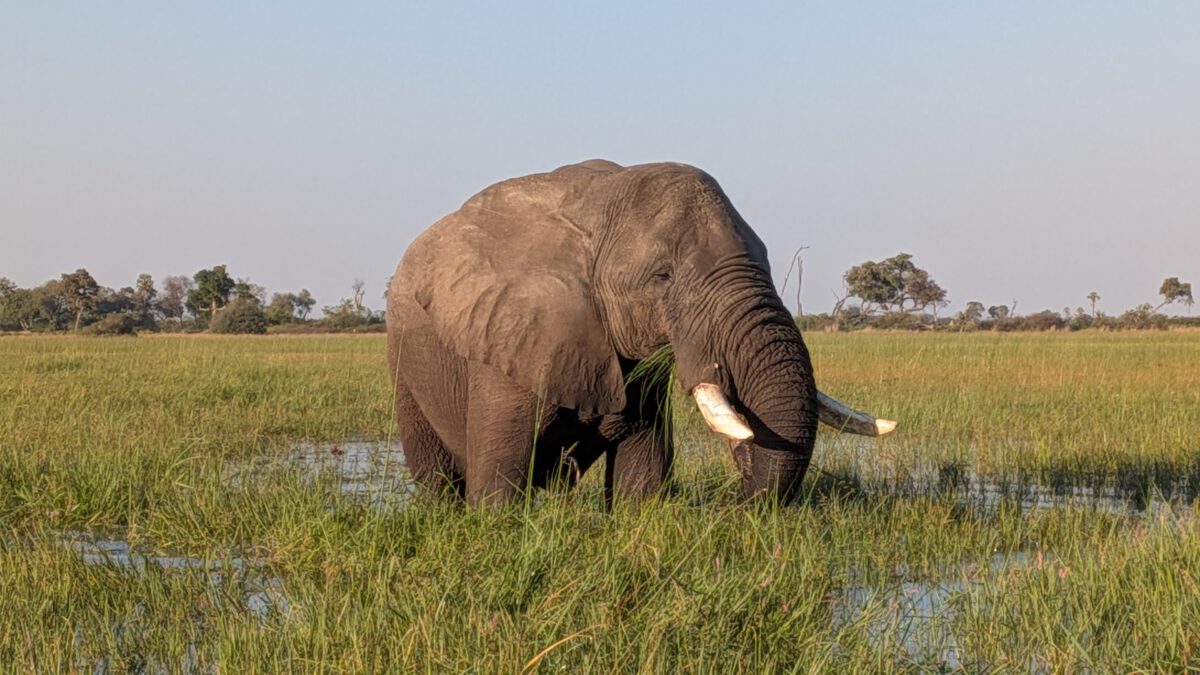
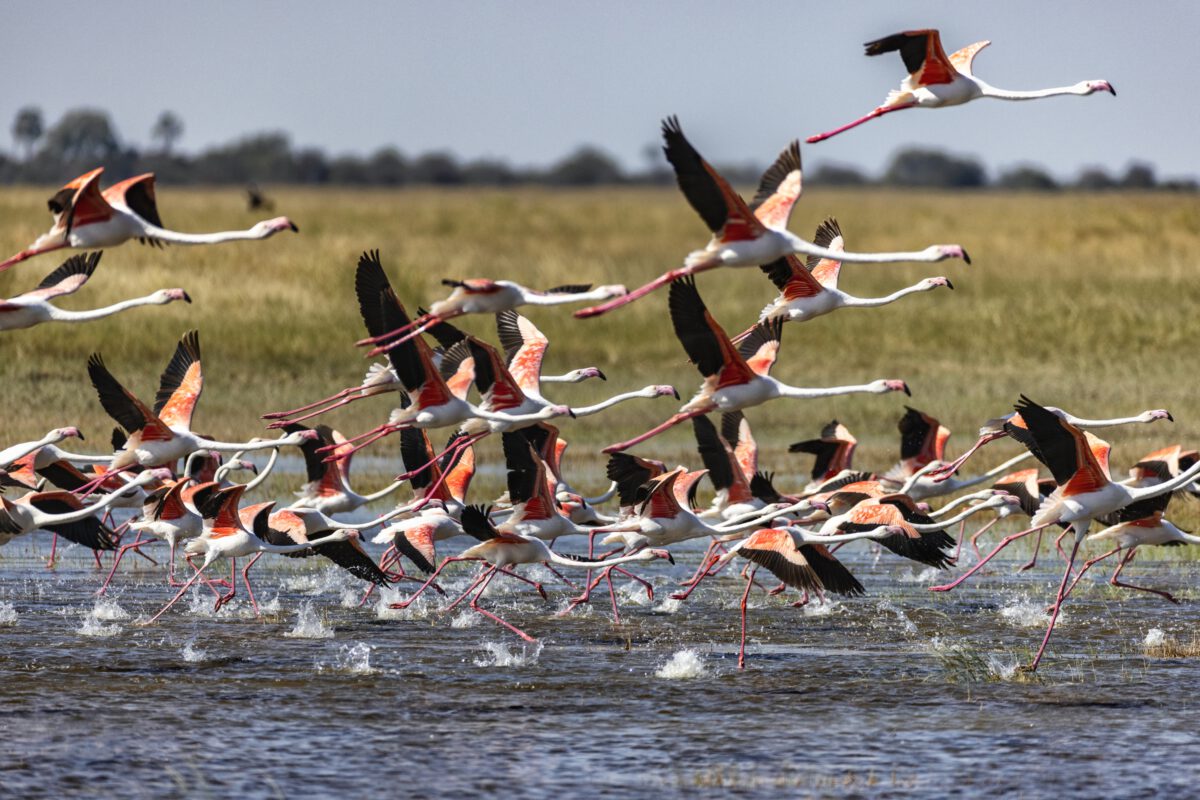
There is no greater contrast to the endless salt pans of the Makgadikgadi than the Okavango Delta. Mack Air flies high above watercourses, lagoons and islands, framed by a mosaic of reeds and papyrus. The Okavango is one of Africa’s great wonders: unlike the Nile, the Zambezi or the Congo, this mighty river never reaches the sea. Its waters rise thousands of kilometres away in the highlands of Angola and eventually vanish into the heart of the Kalahari. This is how one of the world’s largest inland deltas – and a paradise for wildlife – comes into being in the middle of a desert.
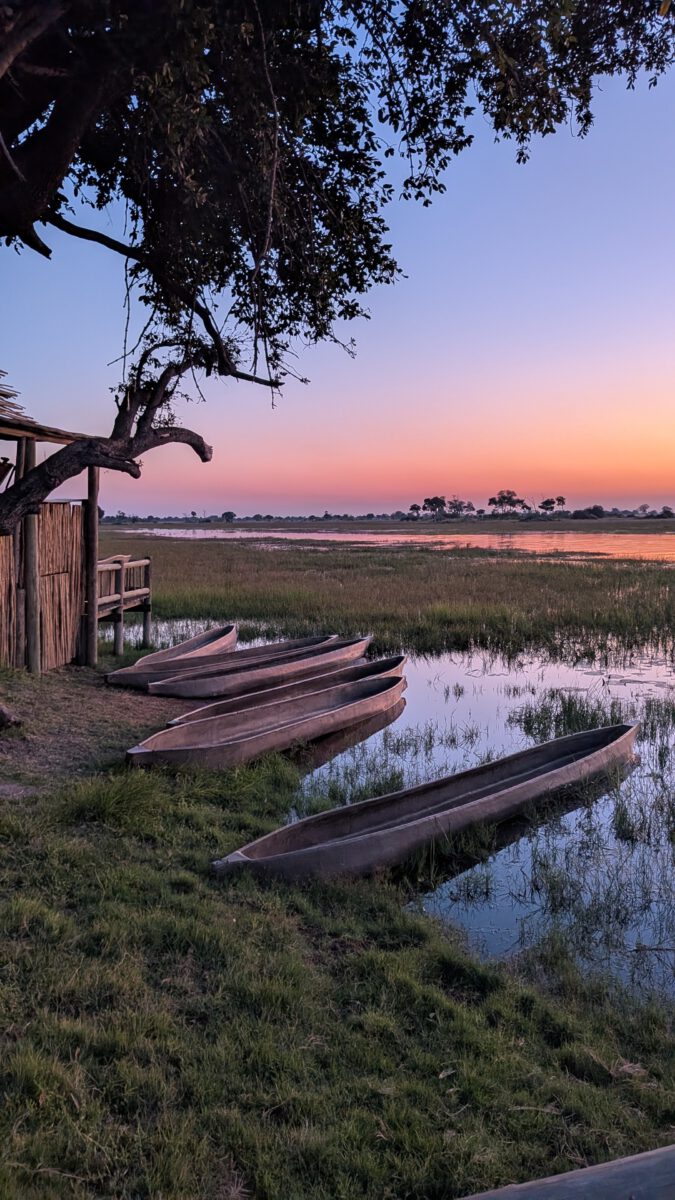
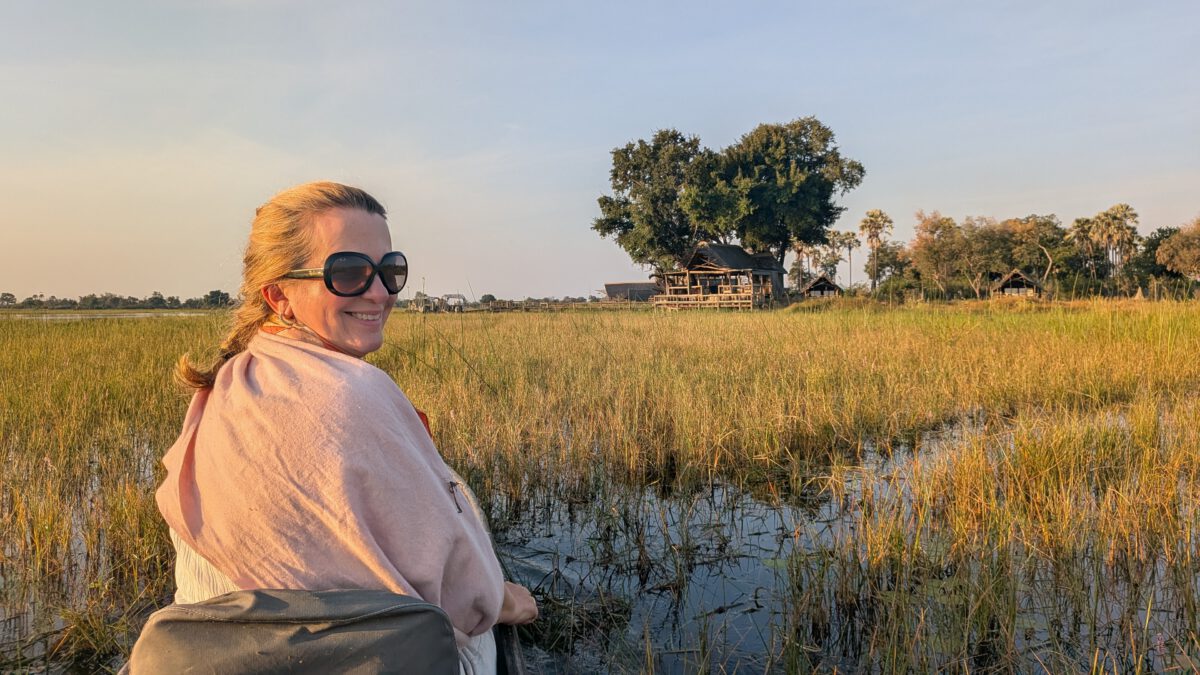
The ‘Belmond Eagle Island Lodge’ is situated on a small island in the midst of this labyrinth of waterways. Its location gives you the precious feeling of having the wilderness almost entirely to yourself. Narrow waterways separate one island from the next. As we sit having breakfast, elephants leisurely cross the channels. The waterline stands out darkly against their light-grey bodies. Hippos surface, snorting, their eyes cunning and their ears twitching. Their personal groomers, the white egrets, are never far away. Crocodiles lounge on the banks, motionless and as skilfully camouflaged as tree trunks. The best way to explore this water labyrinth is by poling a ‘Moçoró’, the traditional dugout canoe of the Tswana tribe: this is how David Livingstone travelled too. The wings of the dragonflies glisten metallically in the sun, reed warblers nest amongst the grey reeds on the bank, and high above, an African fish eagle circles. On the way back to camp, a hyena has settled by the airstrip and waits patiently for the bounty of the night.
At the edge of the delta, the small town of Maun is the starting point for countless expeditions. There’s a special atmosphere here: safari 4x4s with red dust on their mudguards are parked outside small cafés. Bush pilots drink their coffee alongside rangers in khaki-coloured shirts. Every minute, small propeller-driven aeroplanes take off in all directions across the delta. Hardly any other town in Africa lives so naturally in tune with the rhythm of the wilderness as Maun. From here, our journey continues southwards.
With every kilometre flown, the landscape changes. The vast expanses of Botswana give way to the rugged Cape coastline, vineyards appear amongst the mountains, and finally, rising above the Atlantic, is that silhouette which everyone is sure to recognise at a glance.
Table Mountain.
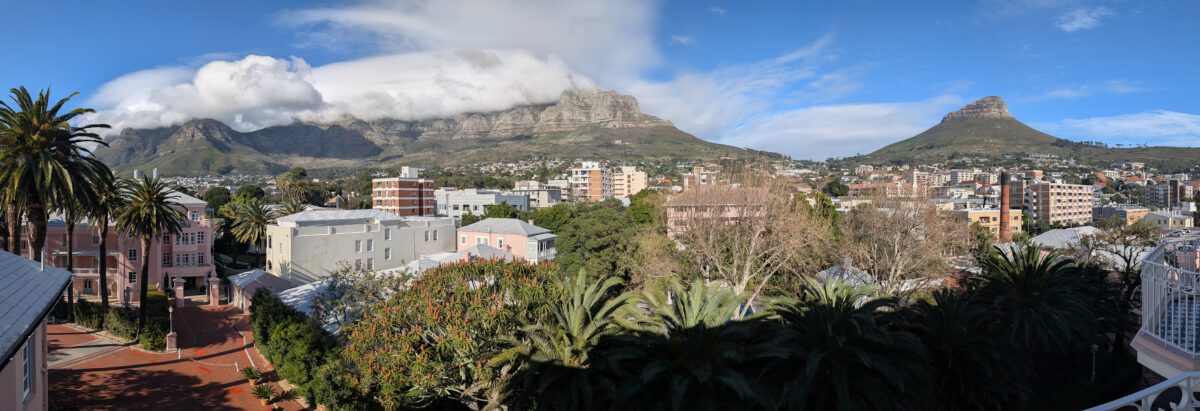
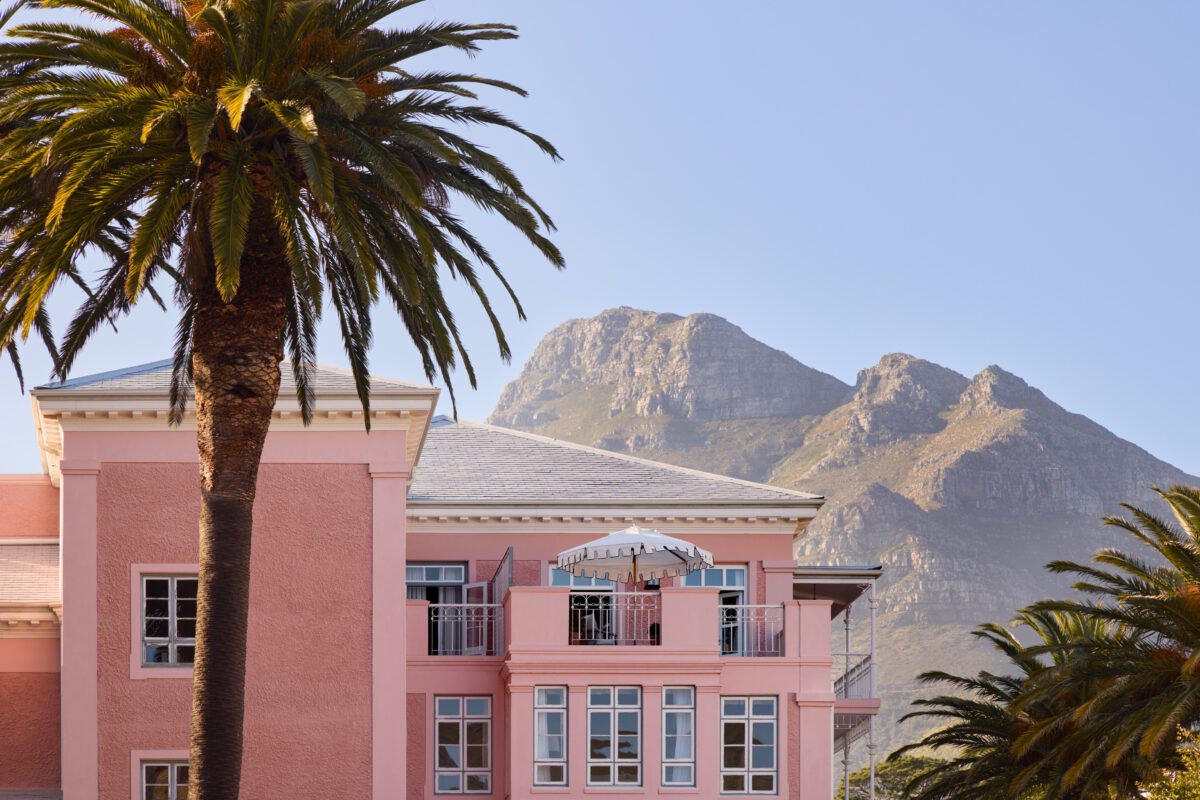
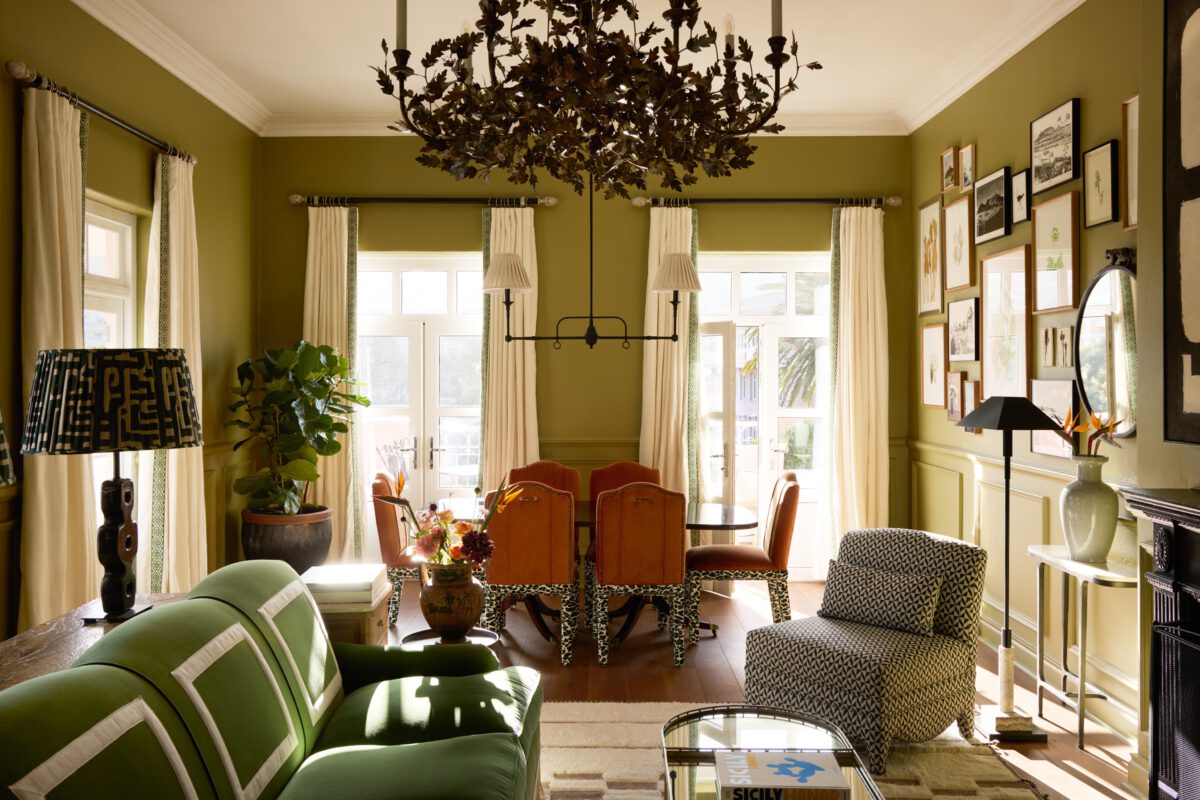
In Cape Town, two oceans meet, cultures intermingle, and around every street corner a new view of the sea or the mountains unfolds. For more than a century, the ‘Belmond Mount Nelson Hotel’ has been welcoming travellers from all over the world and epitomises pure colonial elegance. Its pink façade is an icon, and amongst palm trees, ancient trees and blooming gardens reigns that relaxed serenity which characterises a true grand hotel. Kings, writers and film stars have stayed here and continue to do so: the ‘Nellie’ is a place where history and the present flow effortlessly into one another.
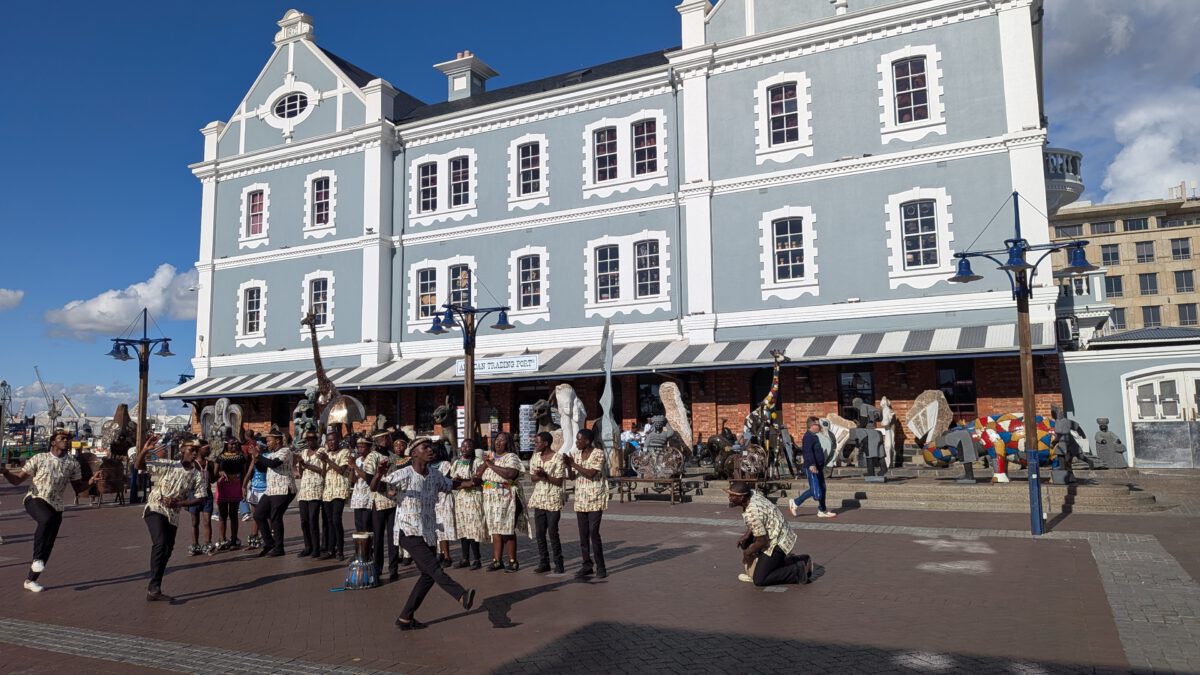
From here, you can stroll over to the Victoria & Alfred Waterfront – that’s no misprint; the ‘Alfred’ in the name refers to a younger son of the then Queen, rather than her husband of German descent. Where cargo ships were once unloaded in the harbour, locals and visitors now take a leisurely stroll. Live jazz plays in the background, seagulls circle the masts of the sailing yachts, and the scent of coffee hangs in the air. Penguins and seals frolic in the blue waters of the Atlantic. Towering above it all, housed in a former grain silo, is the Zeitz Museum of Contemporary Art Africa (Zeitz MOCAA), named after the German Jochen Zeitz, former CEO of Puma and now a conservationist and art collector. The building is sensational: British architect Thomas Heatherwick is responsible for its spectacular transformation. The cathedral-like entrance hall is truly special, and the world’s most significant collection of contemporary African art is powerful, surprising and full of new perspectives on a continent that has, for far too long, been viewed solely through the eyes of others.
In the afternoon, we’re in luck: the weather changes, and the rotating cable car up to Table Mountain resumes service. The ascent to the summit and the circular walk up there are a must on any trip to Cape Town. Here, a breathtaking panorama unfolds: the city nestles between the sea and the mountains, which drop dramatically down to the Atlantic – and far out in the blue distance lies the flat silhouette of Robben Island. The island appears unassuming, and yet it is one of the most significant places in South Africa’s modern history. Nelson Mandela spent eighteen years there in prison. A reminder that links the overwhelming beauty of the landscape with the memory of just how hard this country’s path to democracy was – and still is.
Just a few kilometres away, another treasure awaits. The Kirstenbosch National Botanical Garden is regarded as one of the most beautiful botanical gardens in the world. Here, one finds exclusively plants native to southern Africa: giant proteas, vibrant aloes, rare cedars and centuries-old baobabs thrive against the majestic backdrop of Table Mountain. Via wooden walkways, the so-called Boomslang Tree-Top Walk winds through the lush greenery, offering ever-changing views of this extraordinary landscape.
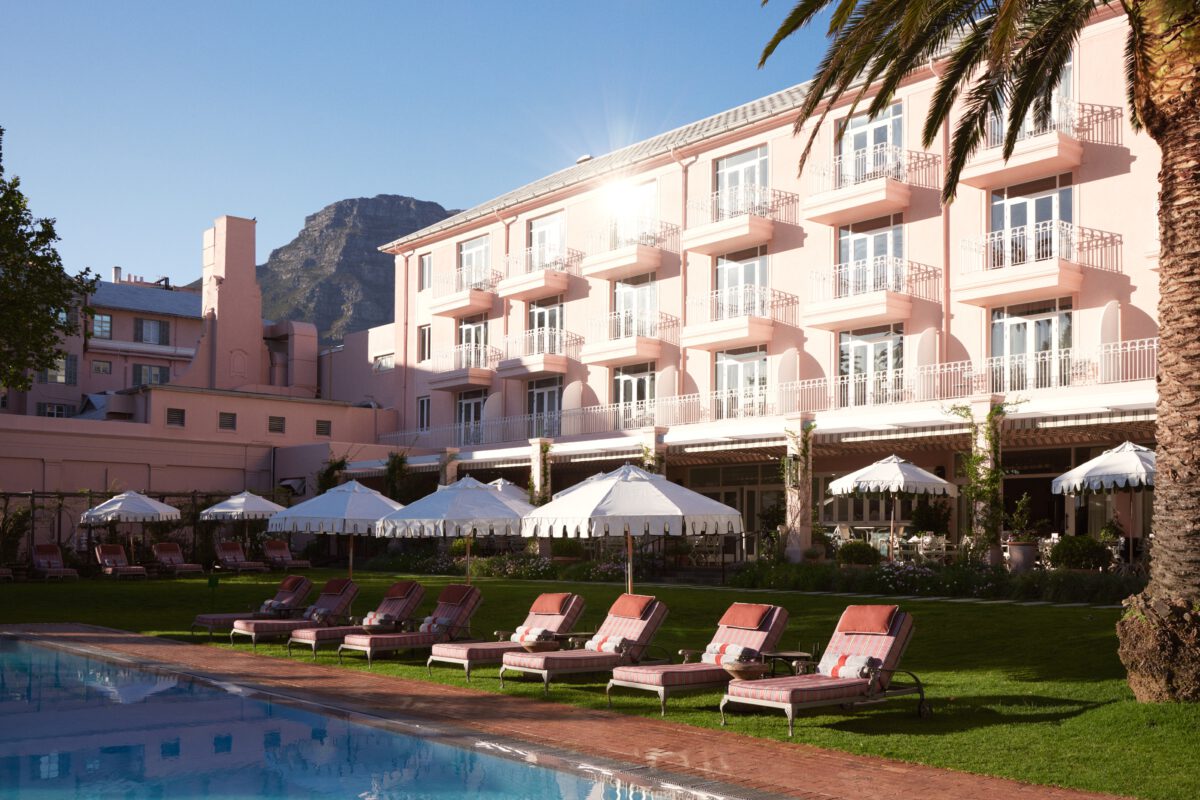
In the evening, Cape Town reveals yet another side to itself – one brimming with culinary delights. At the ‘Pier Restaurant’, head chef John Norris combines the bounty of the cold Atlantic waters with precise, modern culinary artistry. Oysters, lobsters and freshly caught fish are paired with South African flavours and superb wines from the Cape, all presented in a wonderfully whimsical way. Just a few minutes away, the long-established ‘Aubergine’ and its German-born head chef, Harald Bresselschmidt, have been demonstrating for almost three decades why Cape Town is now one of the most exciting gourmet destinations in the southern hemisphere. French technique, regional ingredients and creative lightness blend here to create a cuisine that is just as cosmopolitan as the city itself.
When David Livingstone left Cape Town more than 170 years ago, the unknown continent of Africa lay before him. He travelled by ox cart, on horseback and on foot, mapping rivers, crossing swamps and relying on the stars and his compass. His expeditions transformed the European perception of an entire continent – albeit from the perspective of his time. When Livingstone died, his embalmed body was transported thousands of kilometres to Dar es Salaam. Yet his heart, as stipulated in his will, was buried in the bush.
Today, bush planes have replaced weeks-long marches, elegant lodges have taken the place of the explorers’ tent camps, and speedboats have replaced the Moçoró canoes. But Africa still puts things into perspective for us: man is a guest in God’s own garden. Here, between the thunder of Victoria Falls and the silence of the salt pans, between the elephants of Savute and the waterways of the Okavango, between the stories of the San and the works of art of the new Africa in Cape Town. This continent is far more than its spectacular landscapes. And here, where its land ends, the longing to return begins: right back here. And soon, please.
Further information:
Getting there:
You can fly to South Africa or Victoria Falls from Frankfurt to Johannesburg with airlines such as Lufthansa or Air France.
From Johannesburg, you can continue your journey to Victoria Falls Airport (VFA) with airlines such as FlySafair or South African Airways. Fares start at around €150 one way.
The return journey from Cape Town is possible, for example, with Lufthansa or Condor.
For flights within southern Africa to the lodges and safari camps, Mack Air is one of the options available: www.flymackair.com
Approx. 500 USD per person one way
Flight duration: approx. 30–45 minutes
Hotels & Lodges
The following itinerary was organised individually by the author, featuring the following selected hotels and lodges in Botswana and South Africa:
Victoria Falls
Hotel Victoria Falls Safari Club
From approx. €370–510 per room
victoria-falls-safari-club.com
Kasane / Chobe National Park
Belmond Savute Elephant Lodge
From approx. 1,830 € per room
Full board and safari included
belmond.com
Kalahari / Makgadikgadi Salt Pans
San Camp
From approx. 1,995 USD
(approx. 1,800 €) per person
Full board and safari included
Important: The camp is open seasonally from April to October.
naturalselection.travel
Maun / Okavango Delta
Belmond Eagle Lodge
From approx. €3,800 per room
Full board and safari included
belmond.com
Cape Town
Belmond Mount Nelson Hotel
From approx. €940–1,060 per room
belmond.com
Tip: In the off-season (Green Season / European winter), many lodges offer lower rates or attractive package deals when combining stays at several properties from the same operator.
The author travelled with the kind support of Belmond and Natural Selection.
Photo credits:
Ellen Alpsten (14)
Belmond / Mark Williams (5)
Natural Selection / Thomas Frew (10)
Comments