
At Center Parcs Le Lac d’Ailette, you can relax with the whole family and discover a whole host of leisure activities. Whilst the younger ones have fun in the water park, the older ones can visit nearby Reims with its many champagne houses or the medieval town of Laon.
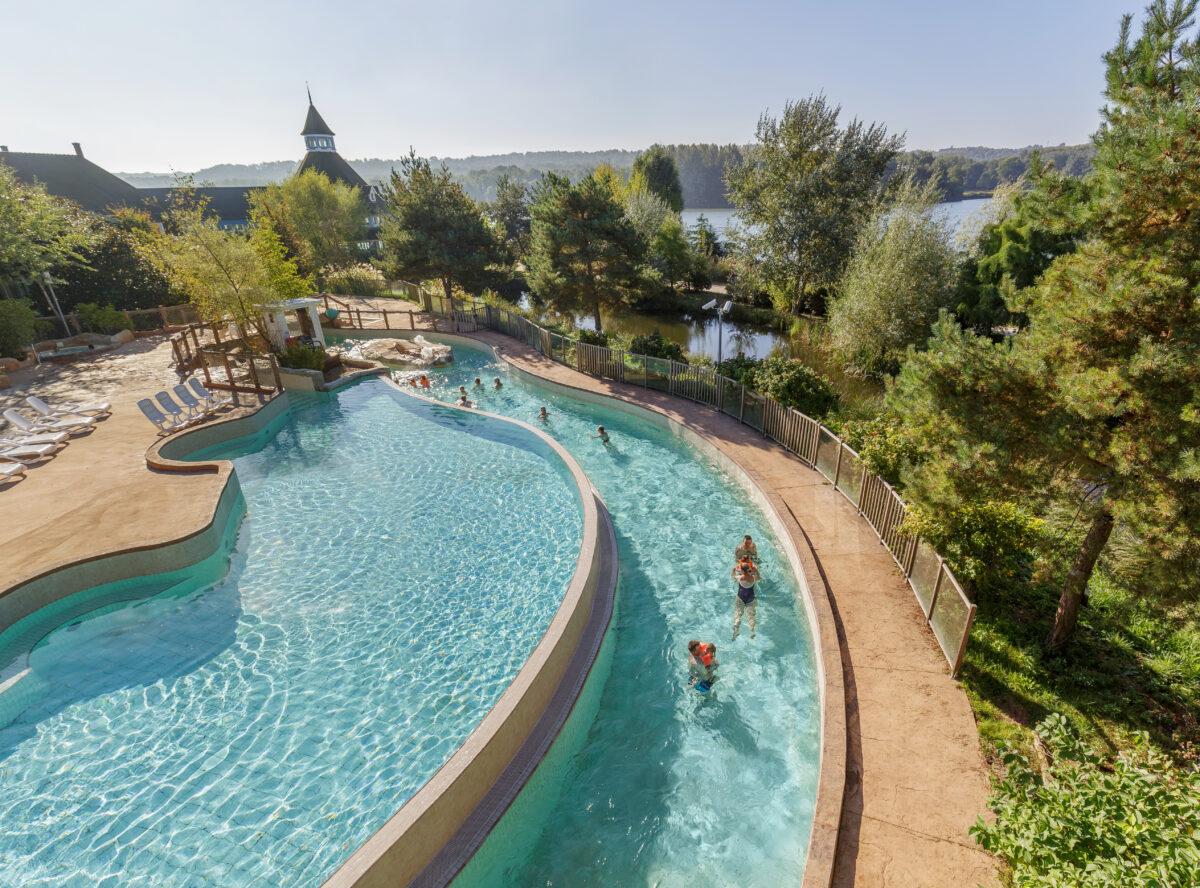
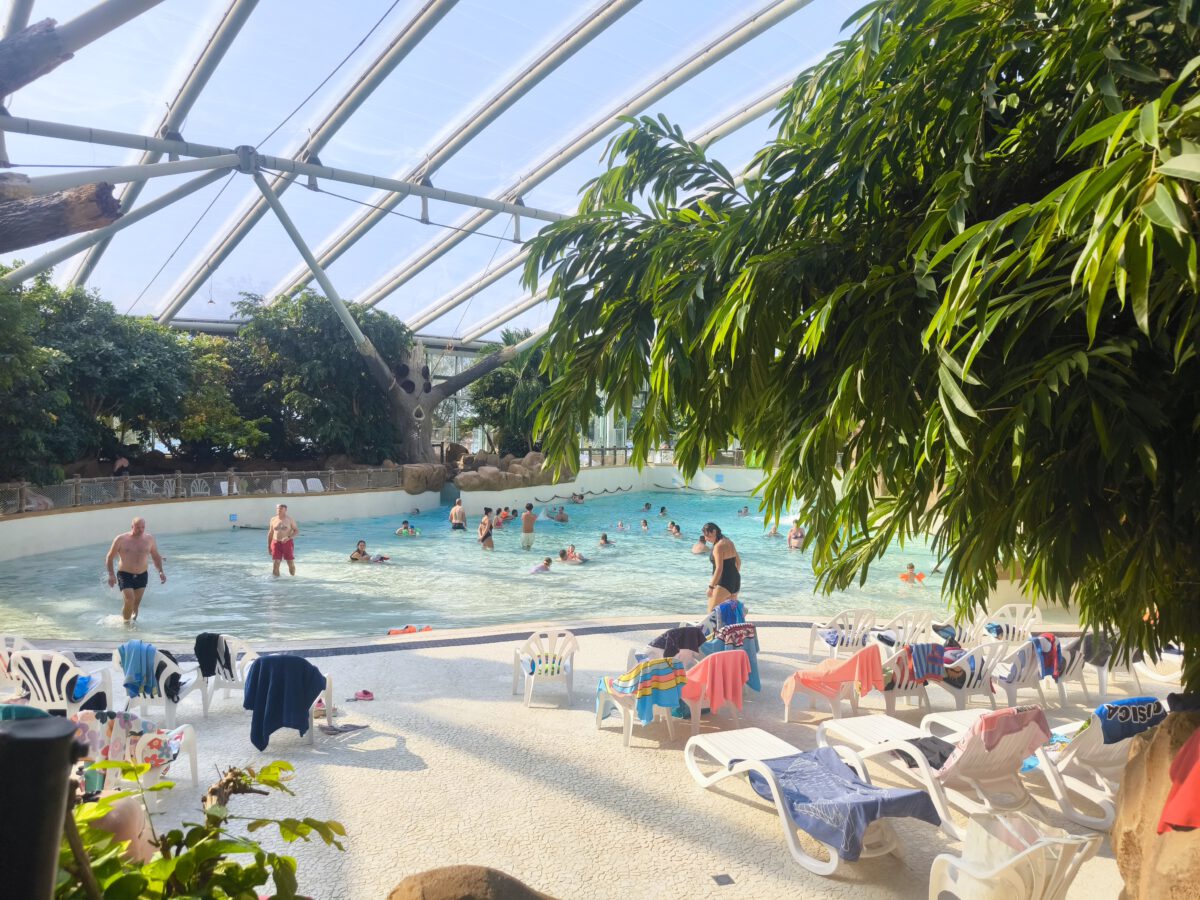
Waves lap against the stone tiles. Children and adults alike sit in the white caps, letting themselves be rocked by the warm water. All around stand metre-high palm trees and tropical shrubs. In between, steps lead to water slides and the outdoor swimming pool with its lazy river. Families with young children are playing in the water playground with its 400-litre tipping buckets, and a high dome arches over the entire aquatic scene. Those seeking peace and quiet are in the wrong place here. The background noise rings in your ears: the shouts of children, laughter and cries fill the air, and above it all hangs that carefree joy that only holidays can bring. The Aqua Mundo water park is the centrepiece of each of the 29 Center Parcs resorts in Europe, and anyone checking into one of the holiday homes enjoys free entry every day – from morning till night.
We’re spending three days at Center Parcs Le Lac d’Ailette in the Aisne department in northern France, just around 240 kilometres from Calais.
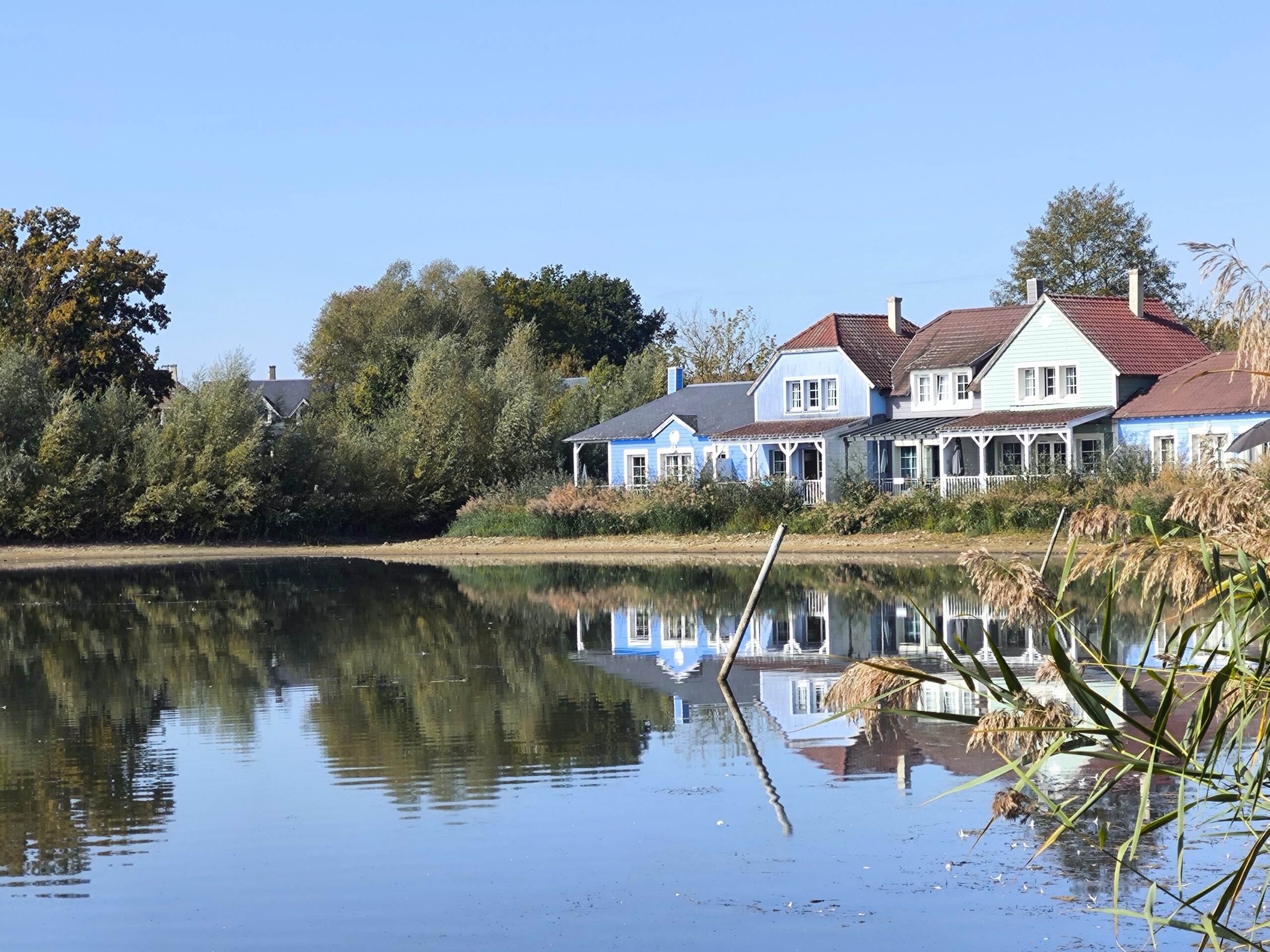
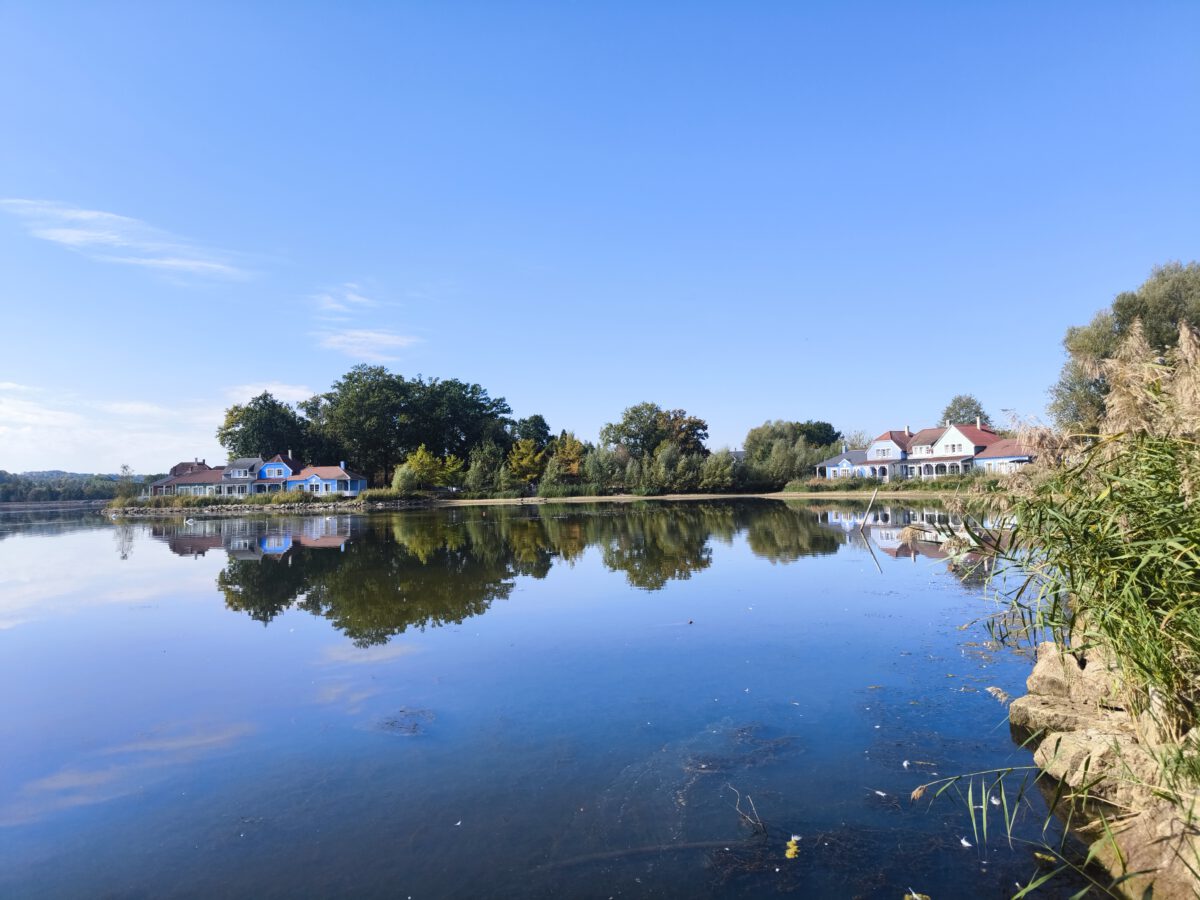
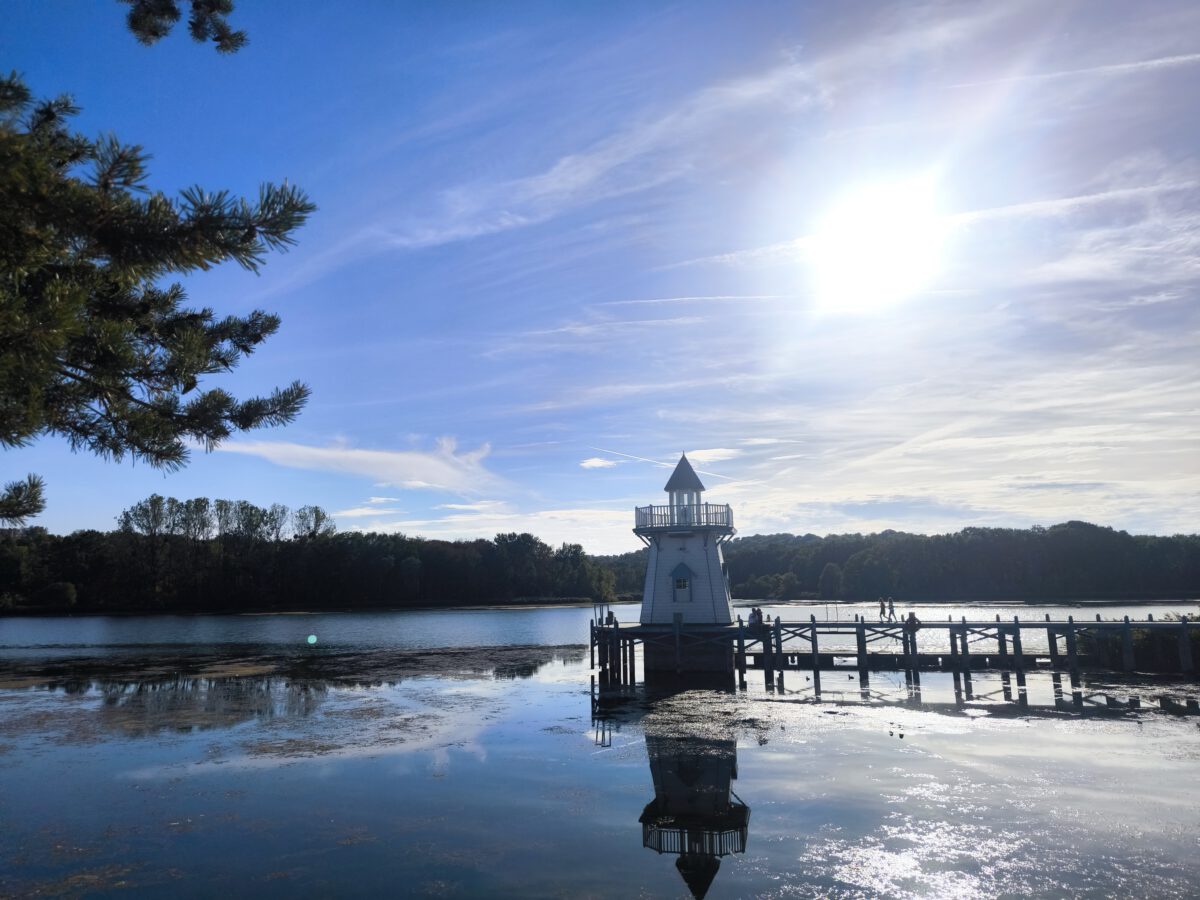
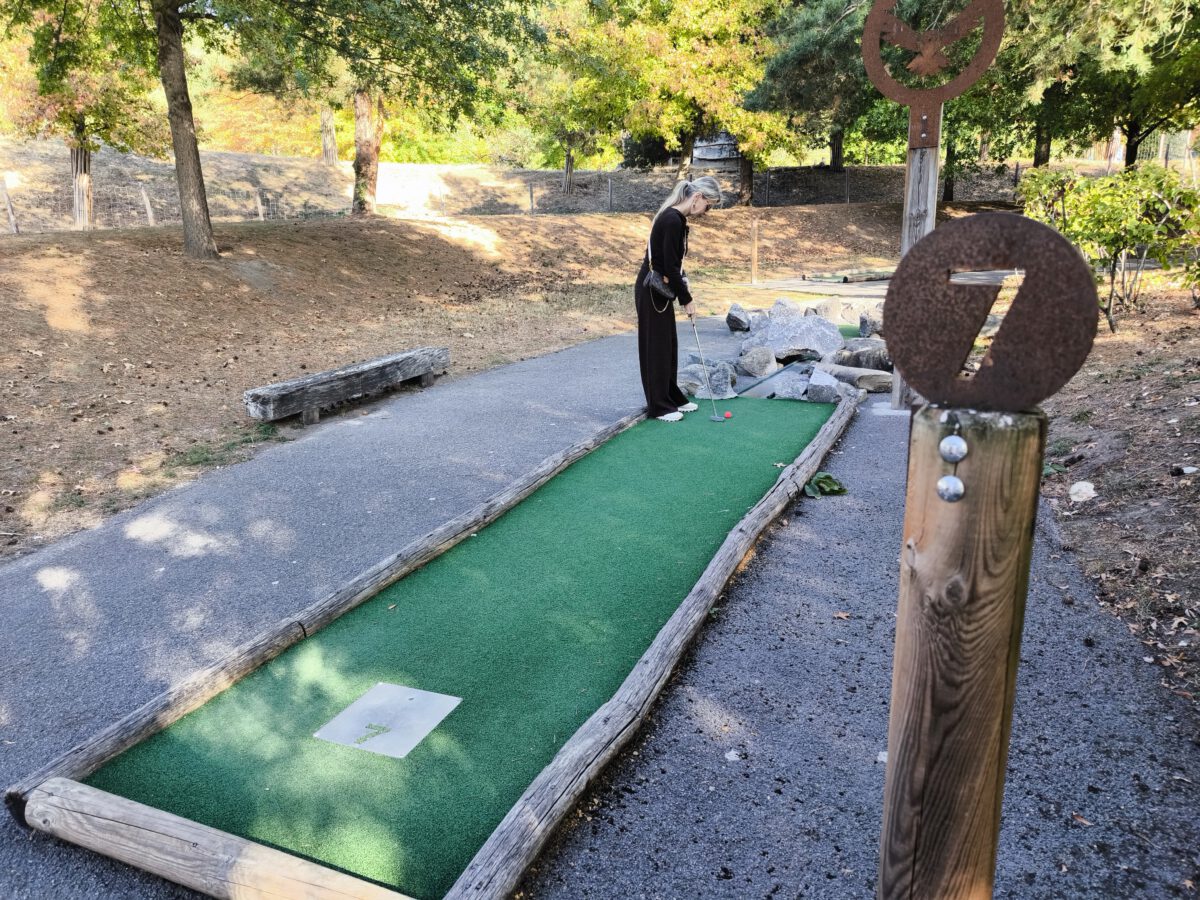
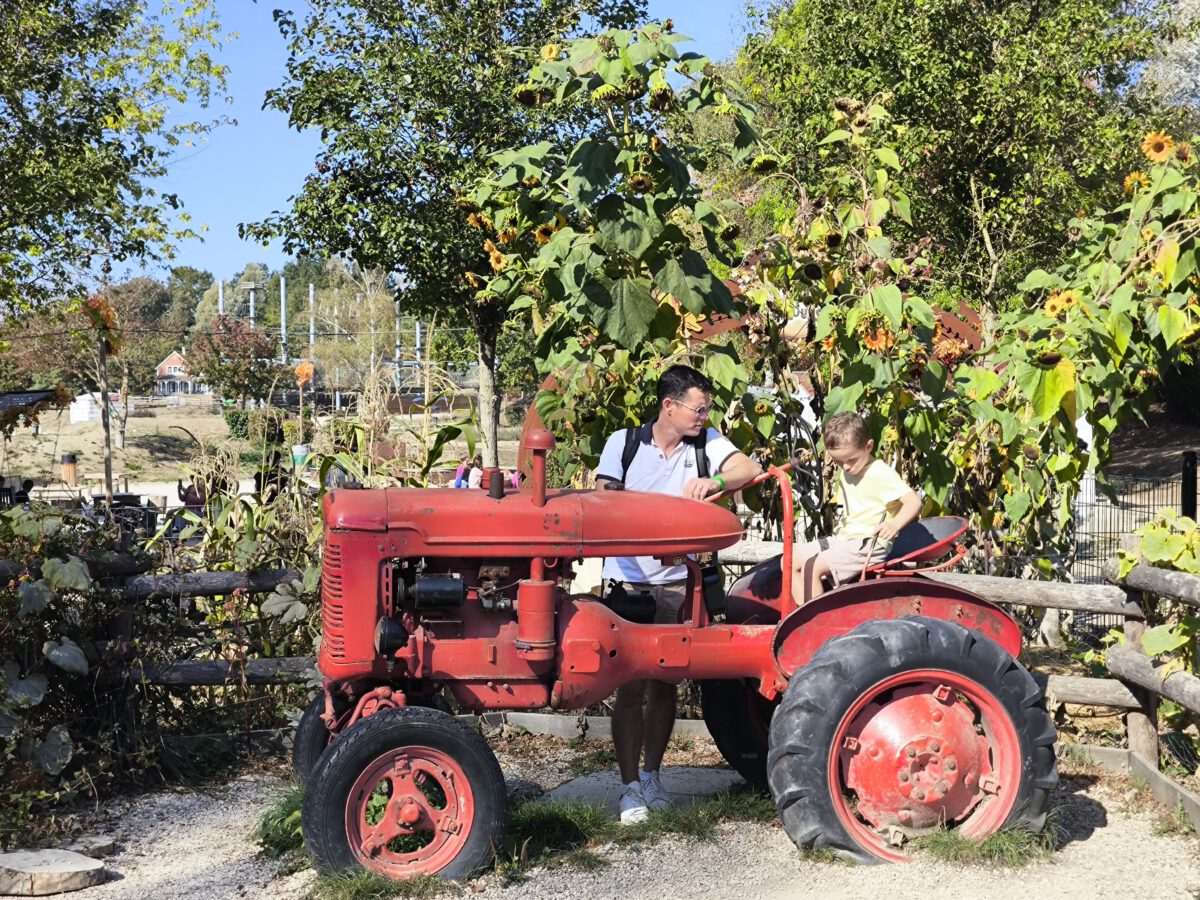
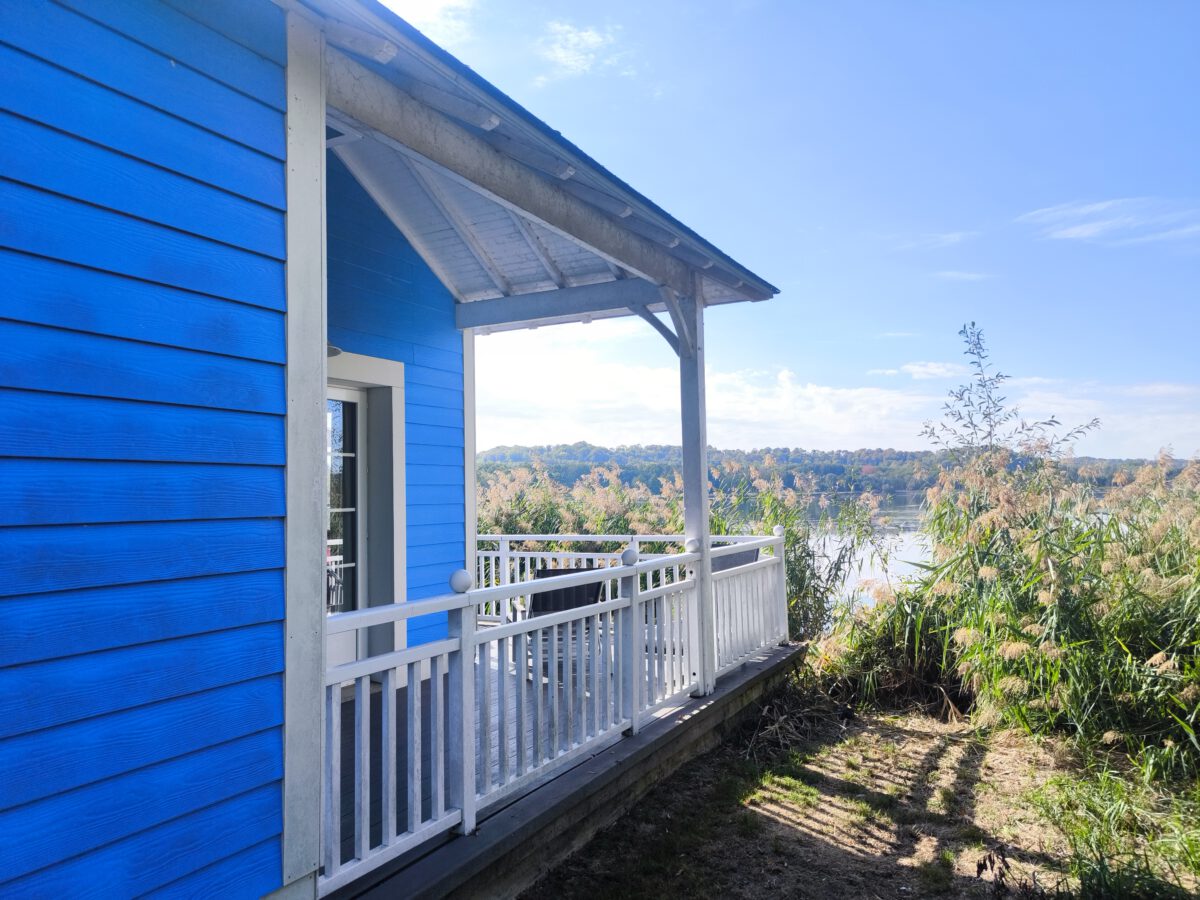
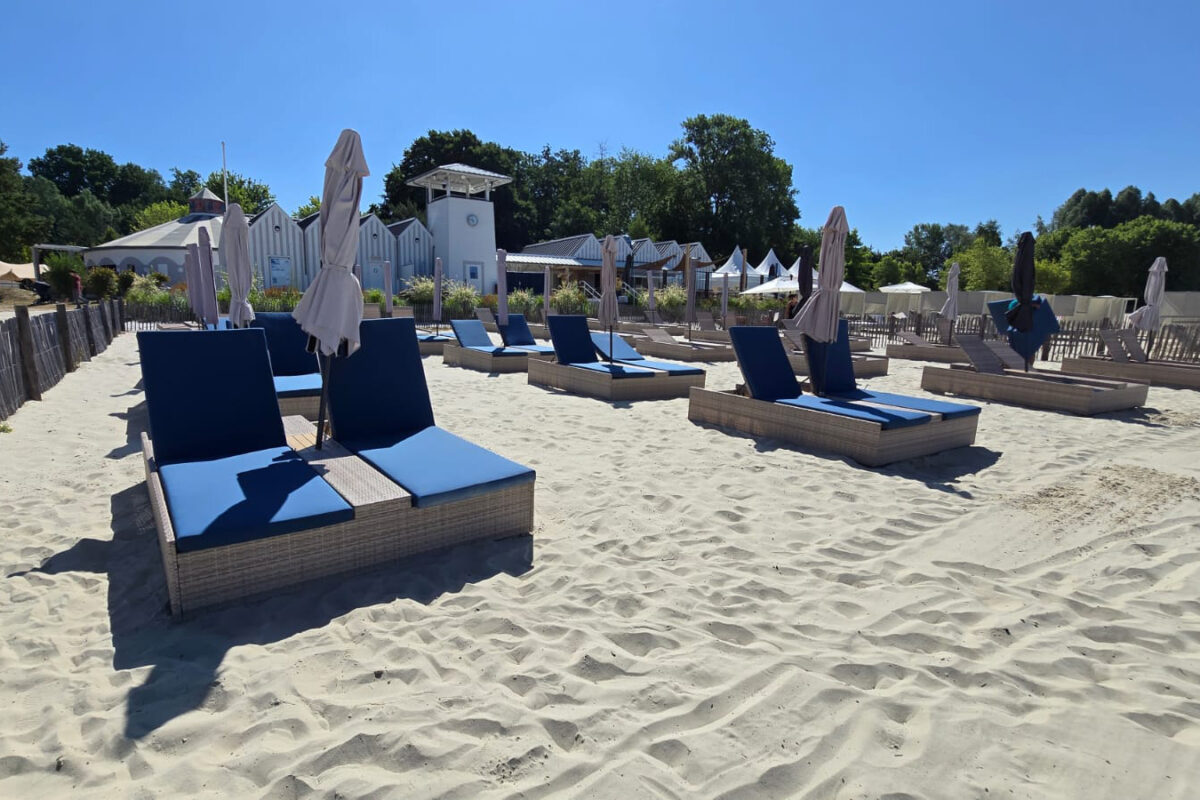
A visit to Aqua Mundo is a must for us: letting yourself drift along the white-water river through the warm water and trying out a few slides – it’s not just the children who get excited. It gets busy here in bad weather and at peak times, but the park itself is peaceful. The 800 holiday homes, with their colourful wooden façades, are nestled in the rolling, agricultural countryside of Picardy and cluster around Lac d’Ailette like a Canadian-style village. In between, there’s plenty for families to discover: playgrounds, a petting zoo, mini-golf, climbing frames and a sandy beach for building sandcastles. There’s a wide range of activities on offer, though some are subject to an additional charge.
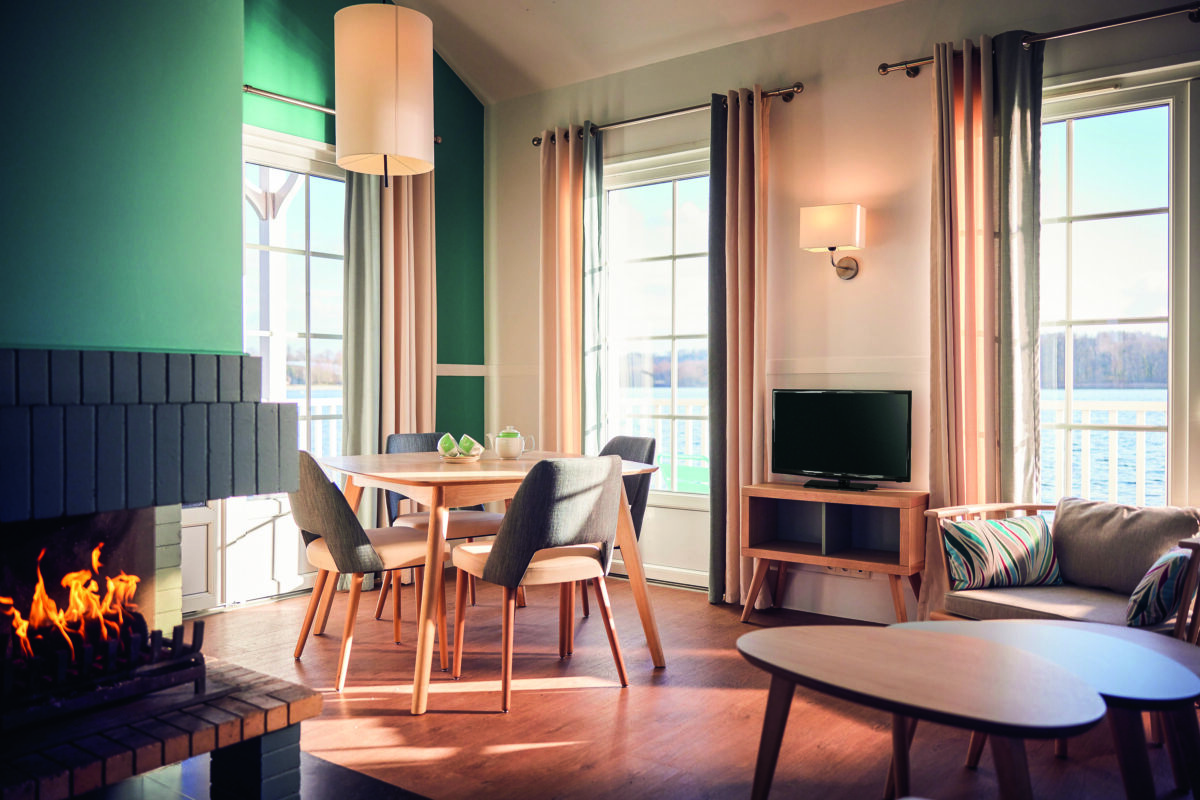
From our terrace, we watch as children roam carefree across the meadows, play ball or explore the surroundings on kick scooters. Families cycle or drive electric carts around the sprawling holiday resort, travelling from the restaurants and shops in the car-free park back to their holiday homes, having barbecues on the terraces and sitting down to dinner in the atmospherically lit holiday homes. It is an idyll that gives young and old alike the chance to enjoy their days off at their own pace.
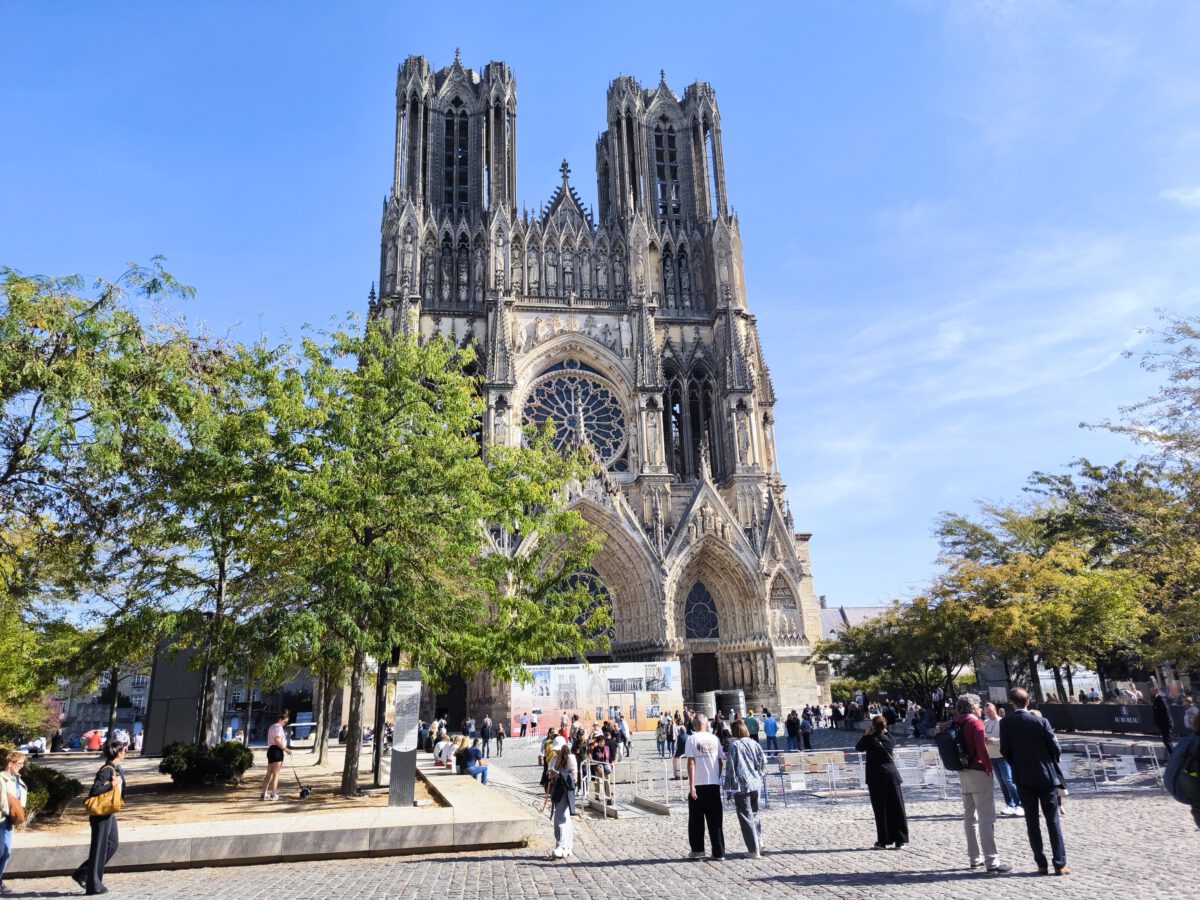
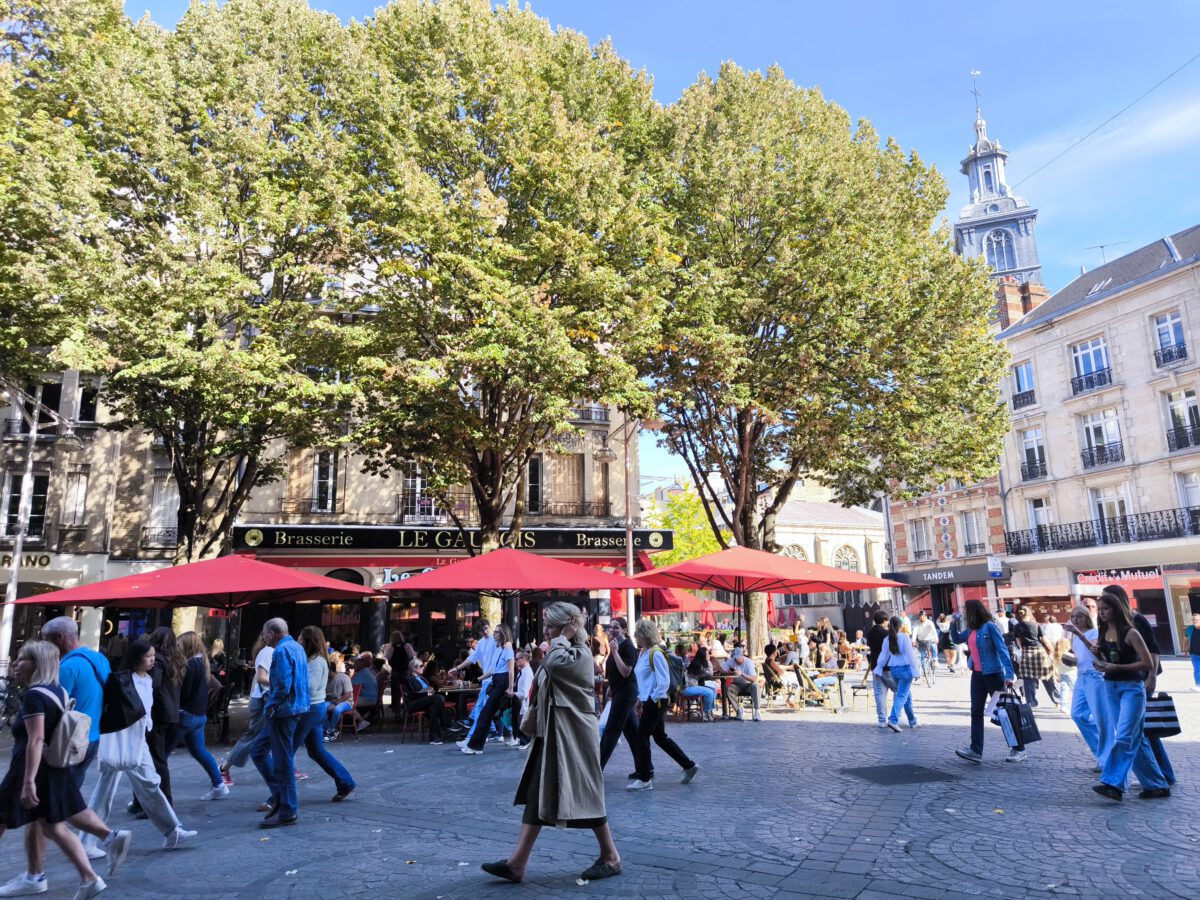
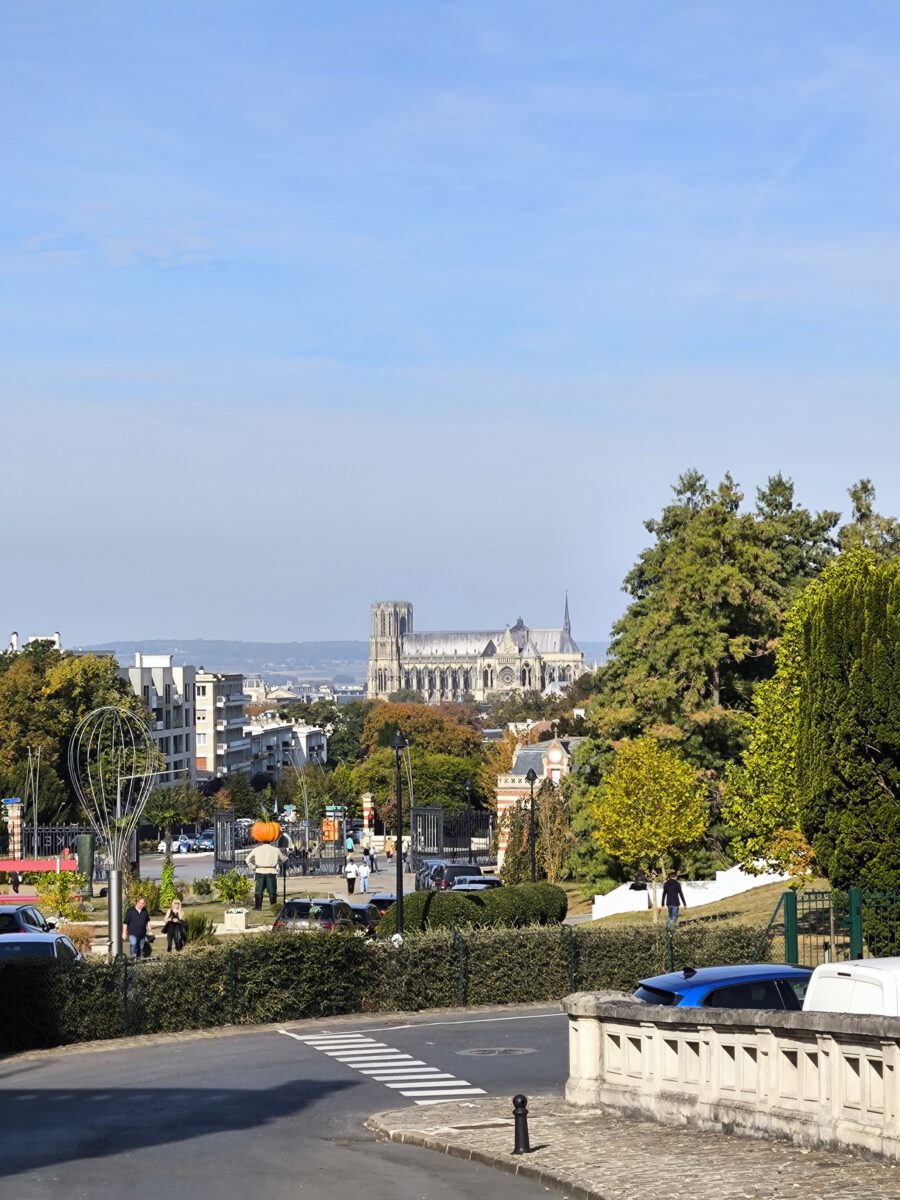
But we’re drawn to Reims, some 45 minutes’ drive away – the largest city in Champagne – for a truly regal visit. Whether you’re seeing the 800-year-old Gothic cathedral in the heart of the city for the first time or yet again, it’s simply breathtaking. This colossal cathedral was the setting for 25 coronations of French kings between 1223 and 1825, including those of Charles VII in July 1429 and Louis XIV in 1654. As you walk through the impressive nave in the radiant light of the stained-glass windows – including works by Marc Chagall – it is not difficult to imagine the former jewel-encrusted royal splendour.
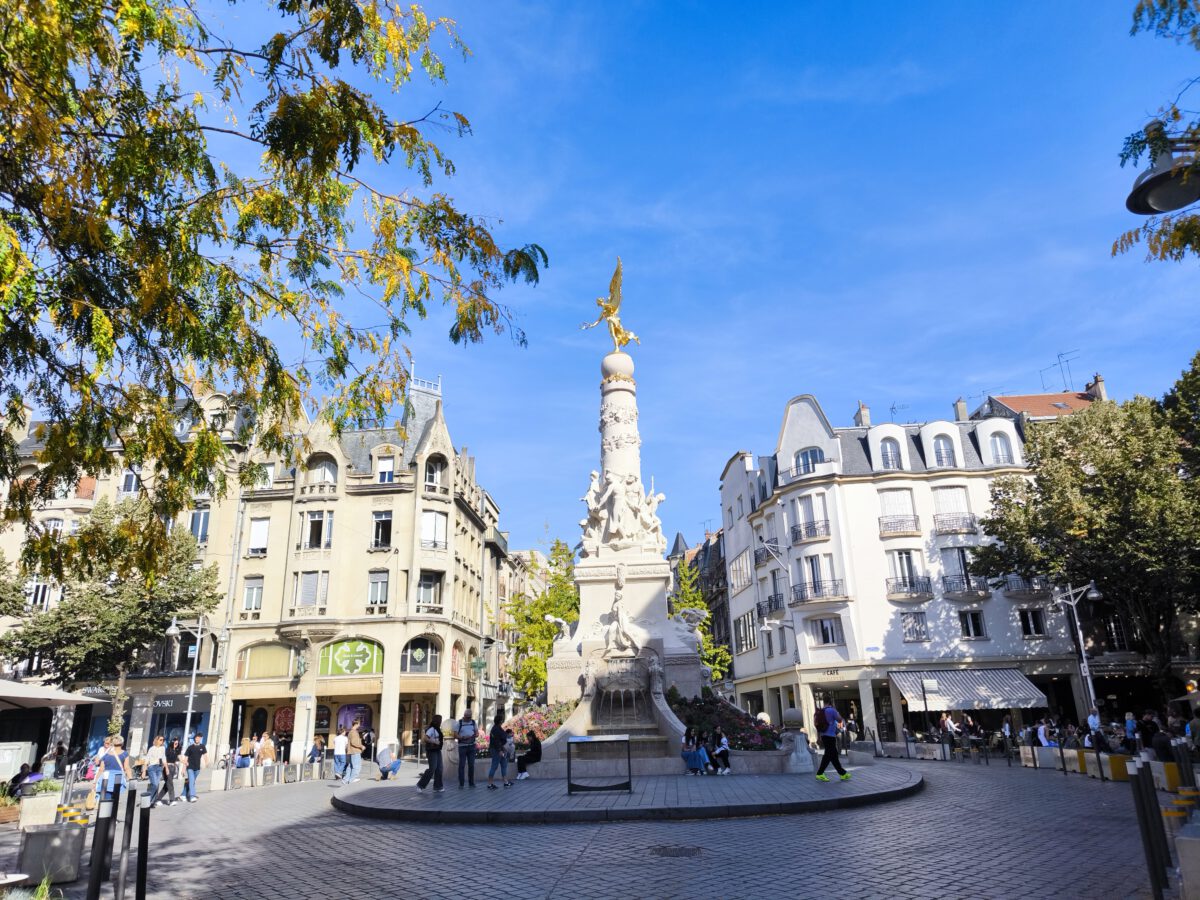
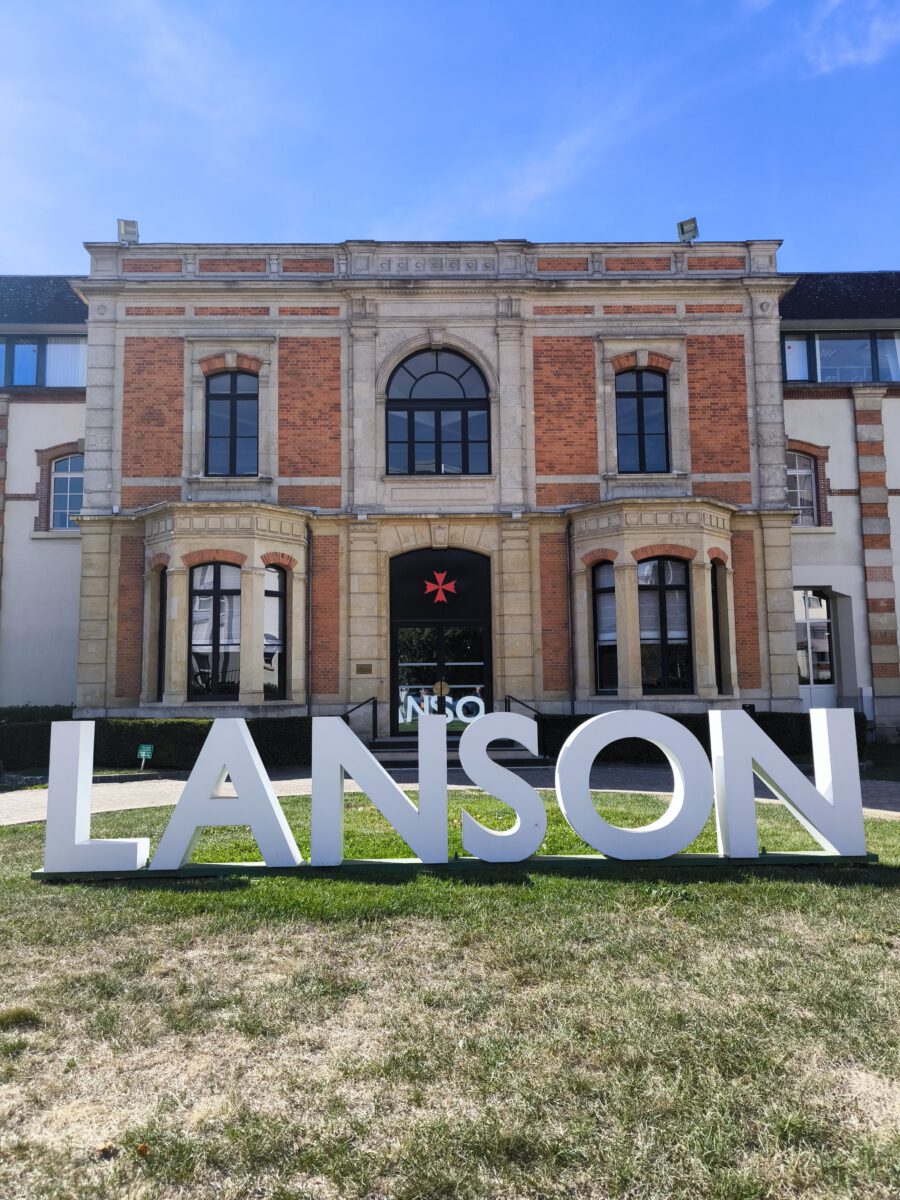
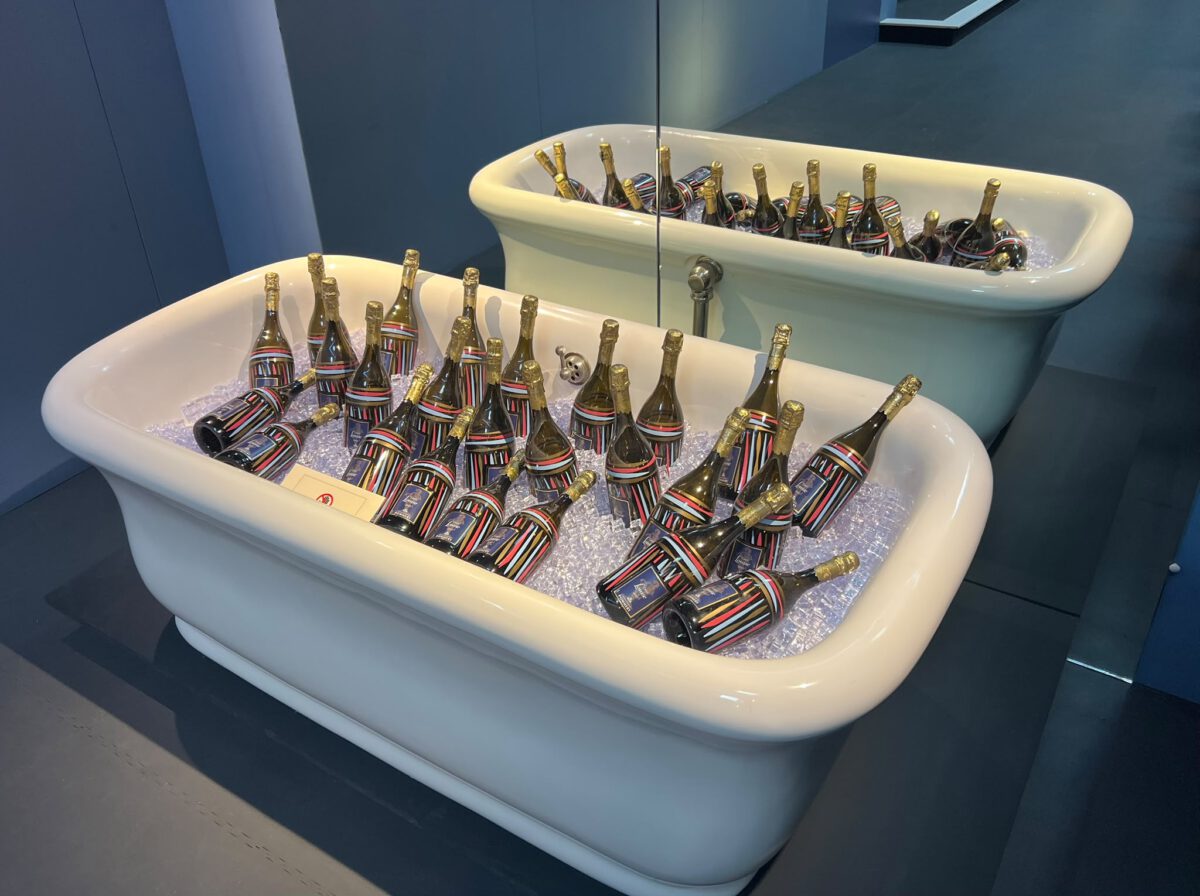
Buoyed by this visit, we head for the next feast for the senses: the Lanson champagne house. Reims and Épernay, a little further south, are home to all the famous champagne houses, whose names have been associated with sparkling delights for centuries. Lanson is also one of the oldest and most traditional houses; it was founded in 1760. On the guided tour, you experience the production process in detail and learn how, in accordance with strict rules, Pinot Noir, Pinot Meunier and Chardonnay grapes make their way from the vine to the flute. To do so, you’ll descend 15 metres underground, through kilometres of cellar passages where 20 million bottles are stored – with room for a further five million. You’ll also pass large stainless-steel tanks labelled with the names of the surrounding villages, such as Ay, whose vineyards are among the top-class Grand Cru or Premier Cru sites. And to round off the cellar tour? A glass of delicately sparkling Grand Cru, well chilled for tasting.
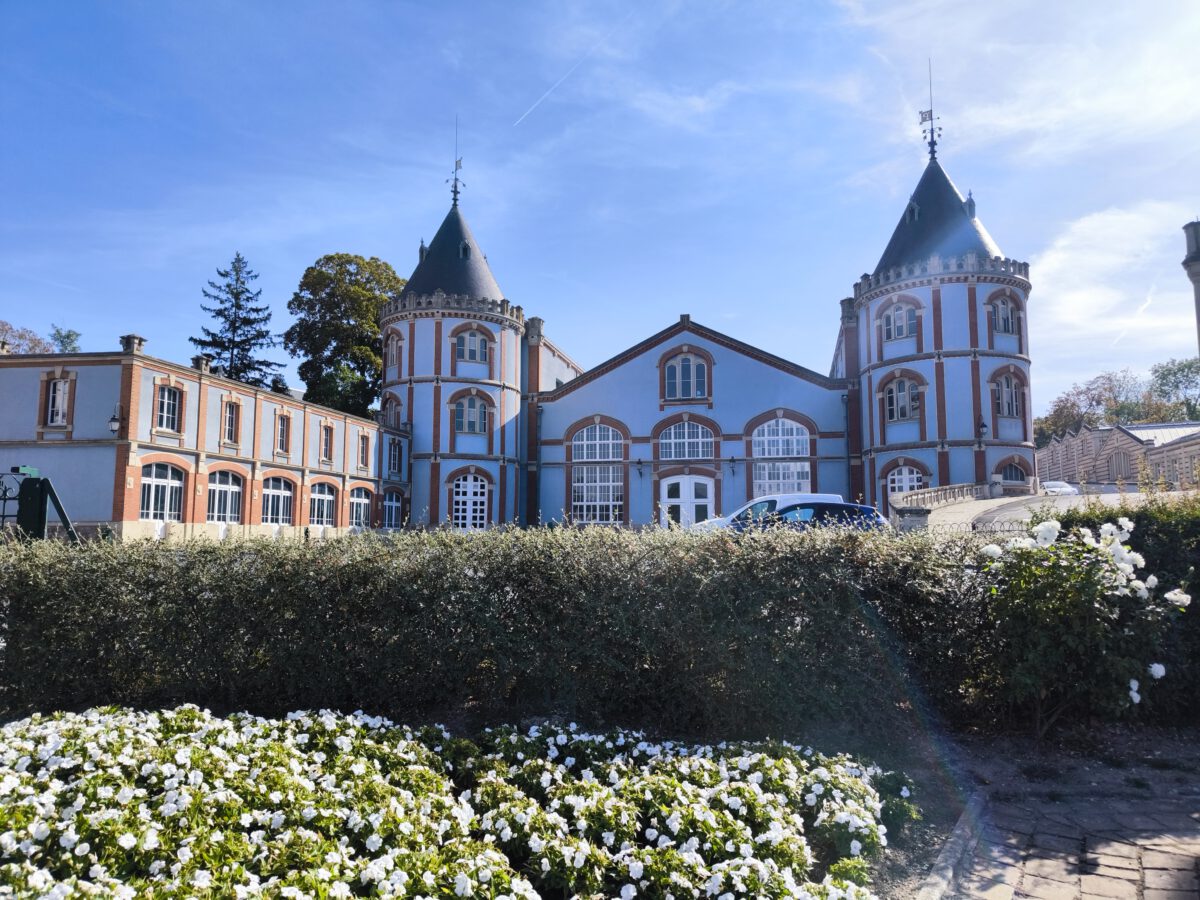
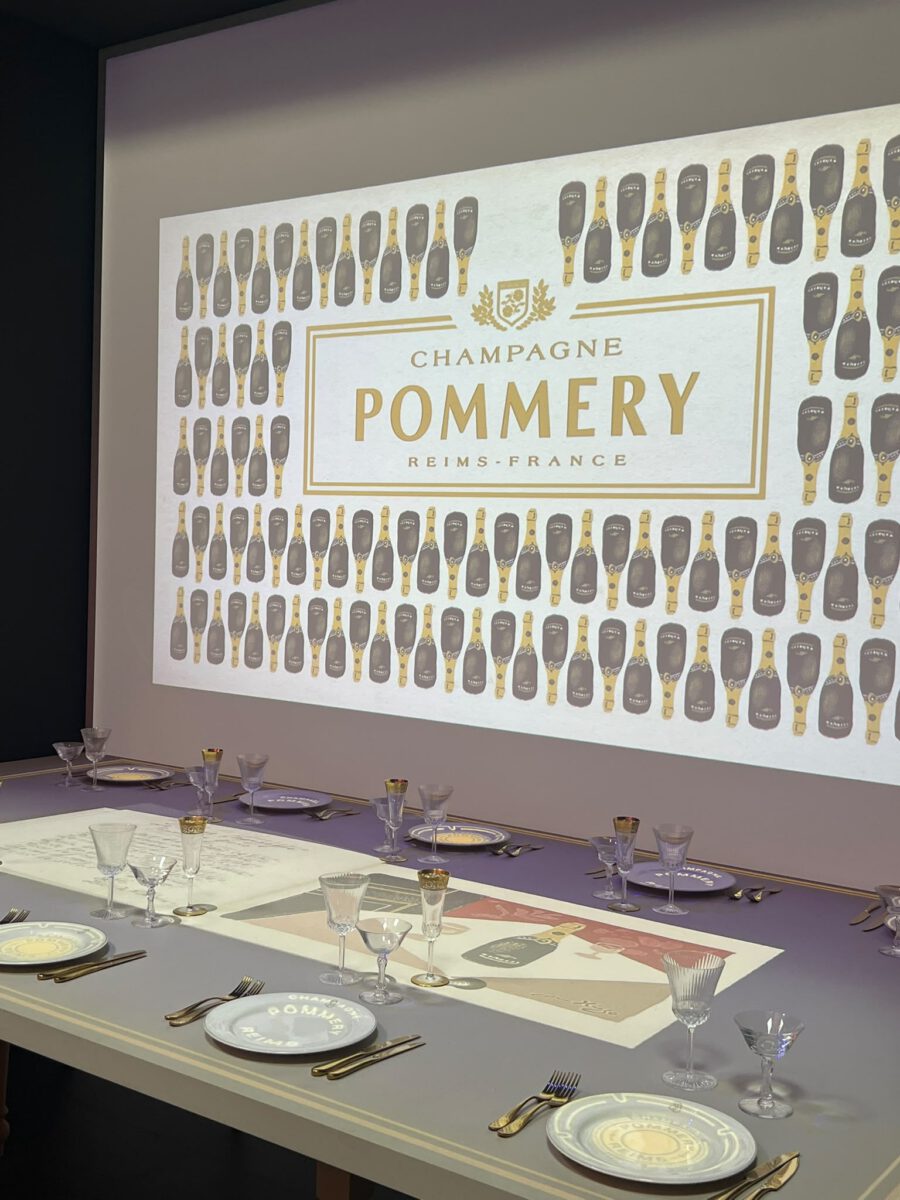
Now we’re really in the mood for champagne, and a few minutes later we’re at Pommery on the Saint-Nicaise hill, overlooking the cathedral. The Domaine Pommery, founded 76 years after Lanson, is an impressive place. Not only does it cover an area of 55 hectares – equivalent to the combined size of the Place de la Concorde and the Jardin des Tuileries in Paris – but it also comprises an elegant 19th-century building complex in the English Tudor style. In 1868, with a view to expanding the cellars, Madame Pommery began the construction project of the century in Reims. Among other things, she had 18 kilometres of tunnels dug through the earth and connected them to 60 enormous, funnel-shaped stone shafts dating from the late Roman period. These vast chalk quarries (French: ‘crayères’) were formed over many centuries through the extraction of chalk, which was used, amongst other things, as a building material for the city of Reims. From the 18th century onwards, the underground facilities were increasingly used for the production and ageing of champagne and are now a UNESCO World Heritage Site.
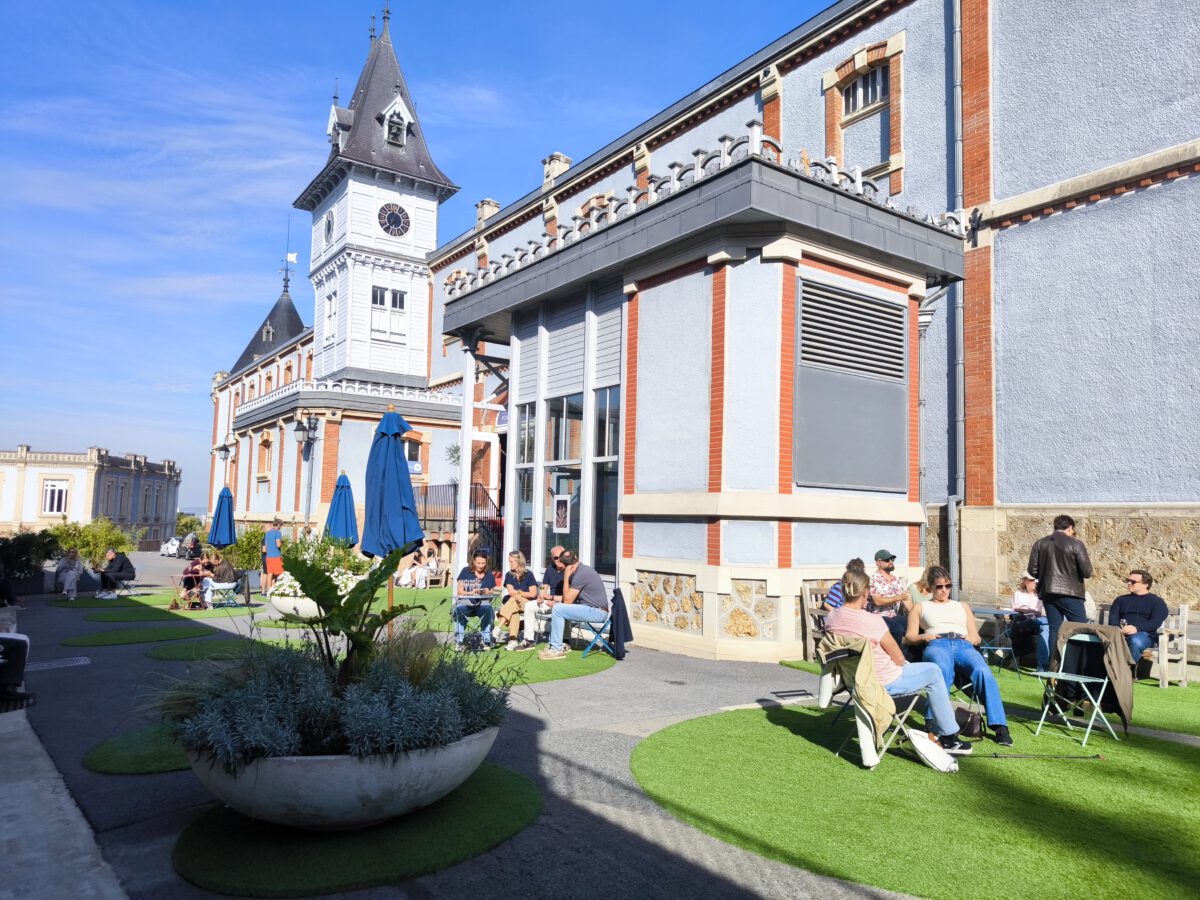
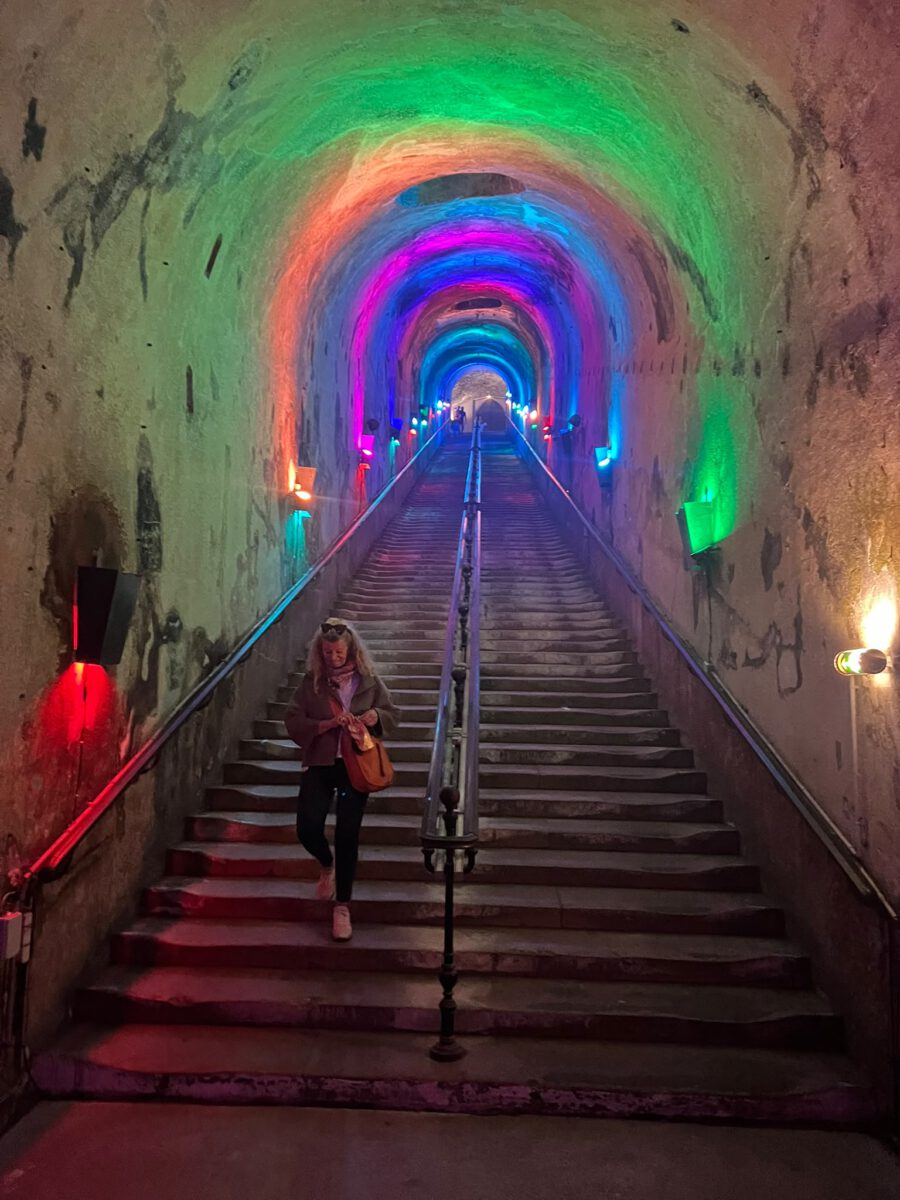
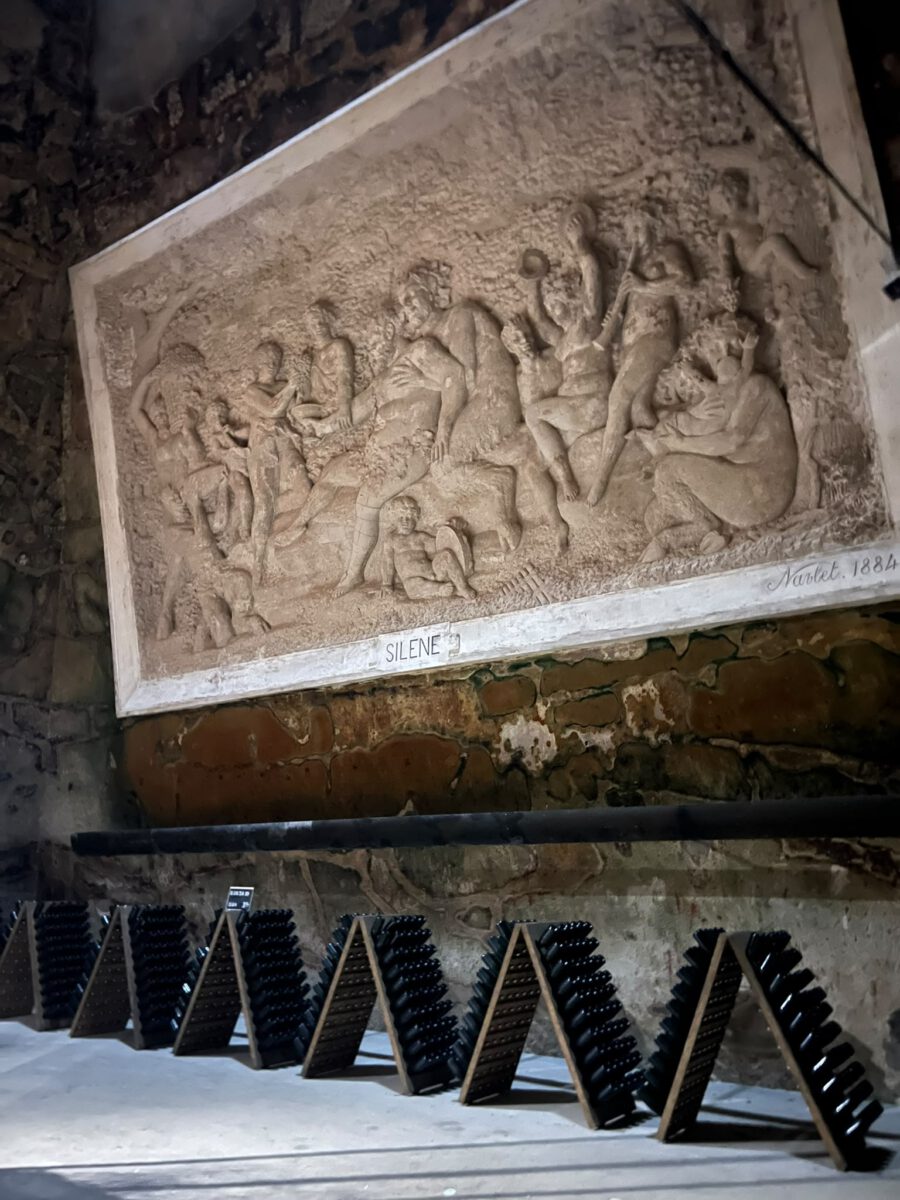
Today, as you take a tour, you descend a wide staircase into the heart of the cellar, 30 metres below ground, where the climate is ideal for ageing wine. Millions of bottles of champagne are currently stored here, maturing under ideal conditions. Illuminated bottles on riddling racks illustrate the traditional method of bottle fermentation, with the wine ageing on its lees – a process that gives champagne its characteristic flavour. And we learn that, for non-vintage champagne, the regulations stipulate a minimum ageing period of 15 months, whilst for vintage champagne it is at least three years. Back in the sunlight above ground, the next glass awaits for us to taste: a Grand-Cru Royal from 2015.
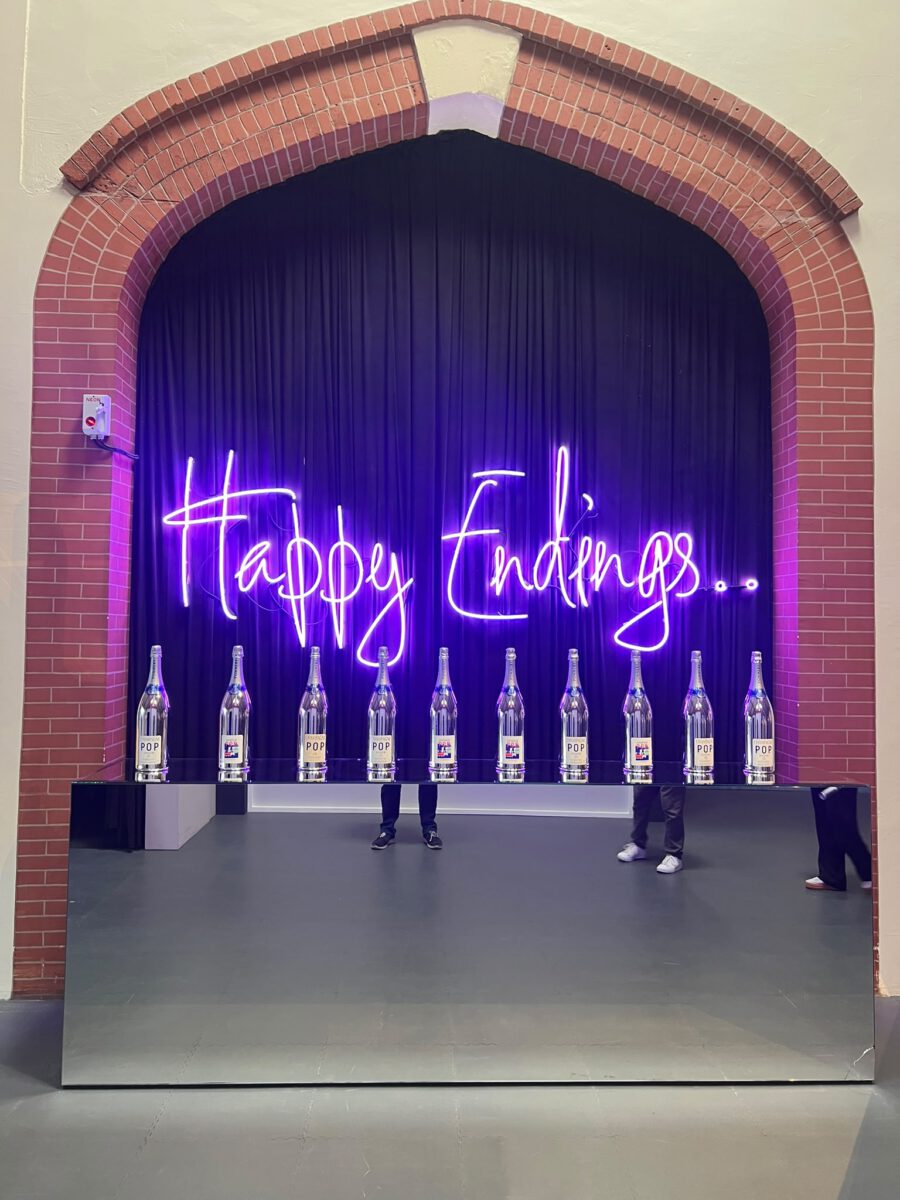
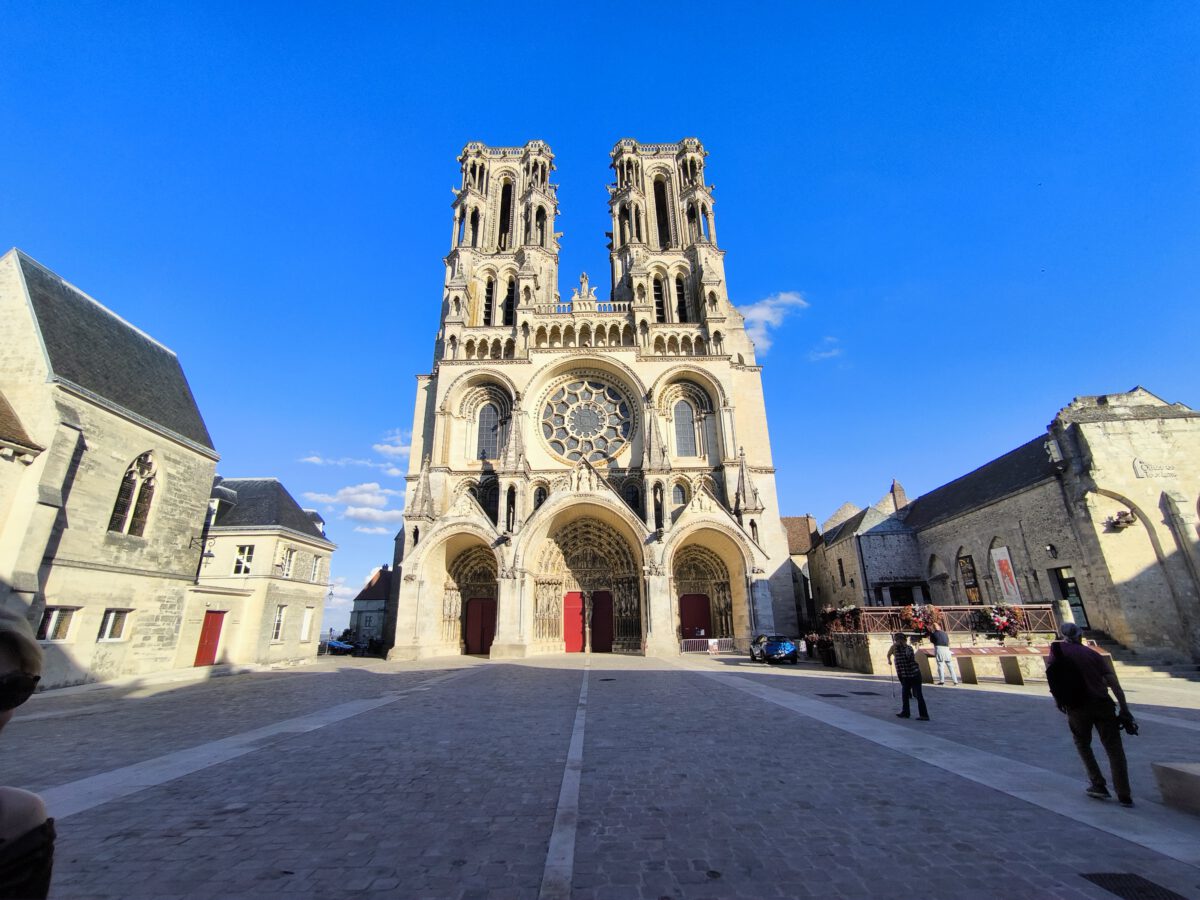
So where do we go for the ‘champagne shower’? It’s in the town centre. The Pol Couronne offers workshops where, under expert guidance, you can learn how to open a bottle of champagne with a sabre. For ‘party animals’, this so-called ‘sabrage’ might be a highlight, but we’ve decided to go for the water slide again and take a trip to Laon. Because in this picture-perfect medieval town, perched on a table mountain, Notre-Dame – an early Gothic cathedral – awaits, and it’s absolutely stunning.
Further information:
Getting there: For example, cross the border into France at Saarbrücken, then take the French A4 motorway (Autoroute de l’Est) past Metz and Reims. At the motorway junction, take the A26 towards Laon / Calais. Take exit 14 (Juvincourt-et-Damary) and continue along the country road to Chamouille, then on to Center Parcs Lac d’Ailette. It is approximately 310 kilometres from the border crossing to your destination. The toll for a single journey on the French motorway is approximately 25 euros.
Price example: Accommodation prices at Center Parcs are subject to change. Stays in a holiday home are currently available from 207 euros per night. Actual prices may vary depending on travel dates, length of stay, accommodation category and time of booking.
Info: www.centerparcs.de
Excursions: Guided tours of the Lanson and Pommery champagne cellars in Reims, costing around 34 euros per person each.
www.lanson.com
www.champagnepommery.com
Restaurant recommendations in Reims:
Le Foch, a Michelin-starred gourmet restaurant, www.lefoch.com
Brasserie Le Jardin, upmarket bistro cuisine,
gehört zum Relais & Châteaux – Hotel Domaine Les Crayères
Further information:
www.nordfrankreich-erleben.com (Aisne department)
The trip took place with the support of Center Parcs.
Photo credit:
Petra Kirsch (20), Patrick Heisch (3)
Center Parcs (3)
Comments